
Milwaukee, WI
Milwaukee Garage Door Guide
Why Your Garage Door Jumps Its Track
Milwaukee's mix of 1960s-70s track hardware and severe winter freeze-thaw cycles is a common reason doors jump their tracks. Here's what causes it and what it costs to fix.
- Licensed & Insured
- Same-Area Service Calls
- Upfront Pricing
Leaving It Alone
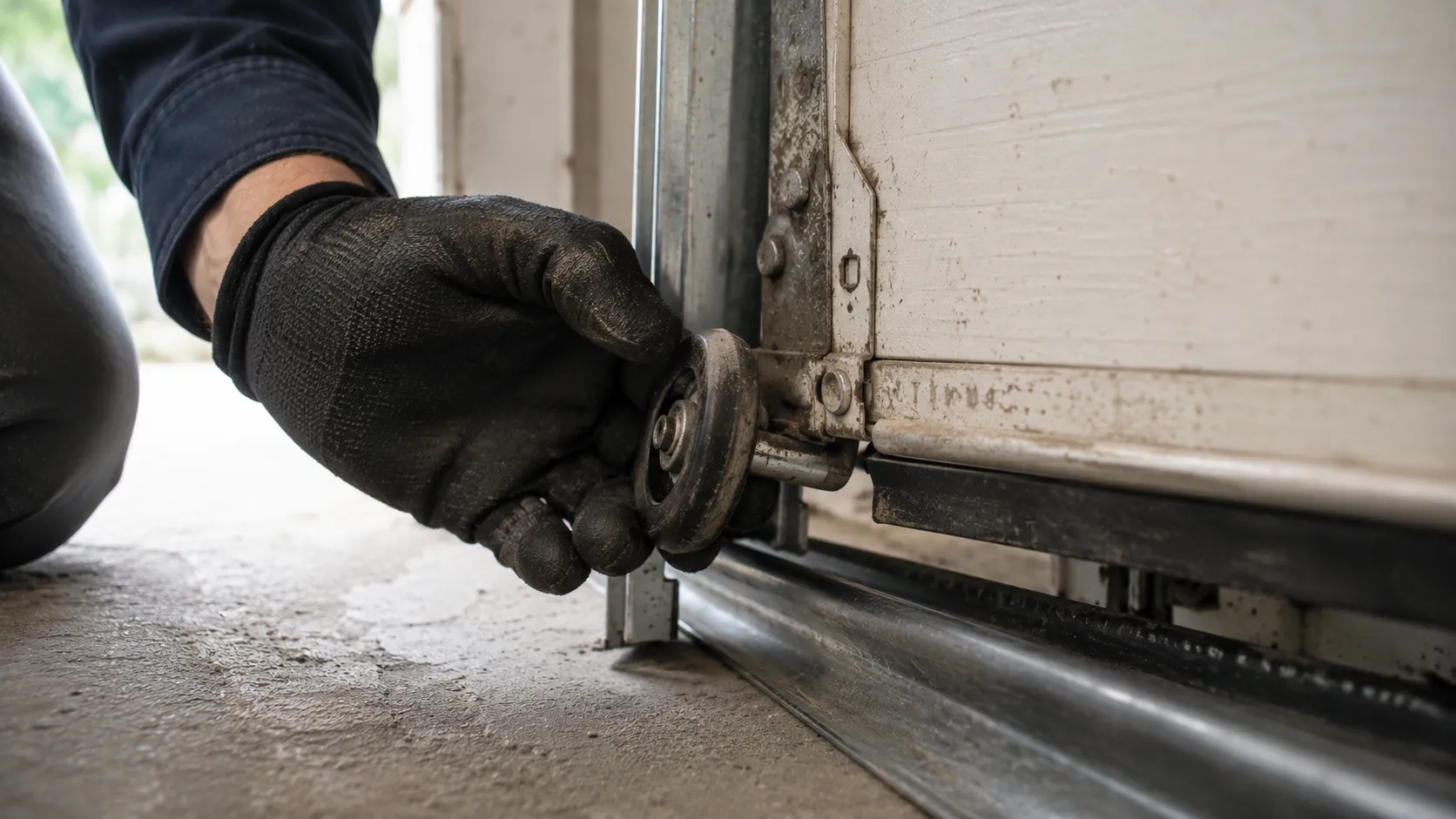
A door that's leaning in its opening or dragging on one side isn't going to fix itself, and it isn't going to wait for a convenient weekend either. Once a roller pops even a quarter inch out of the track, every cycle after that grinds the roller edge and the track lip further out of shape. On a lot of the housing stock in this service area - built mostly between 1938 and 2000, with the typical house going up around 1971 - the track brackets were fastened straight to wood jamb framing that's had fifty-plus years to shift, dry out, or settle.
That's not a defect, it's just what old lumber does. But it means a door that's slightly off track on a 1970s house doesn't have much margin before the roller comes all the way out of the channel, usually while someone's opener is mid-cycle and the door binds hard against the frame. Left alone, an off-track door can drop the panel edge into the frame or put uneven pull on the opener arm, which is a second repair on top of the first.
If the door won't roll smooth by hand with the opener disconnected, that's the signal to stop using it, not push through it.
What the Weather Here Does to It
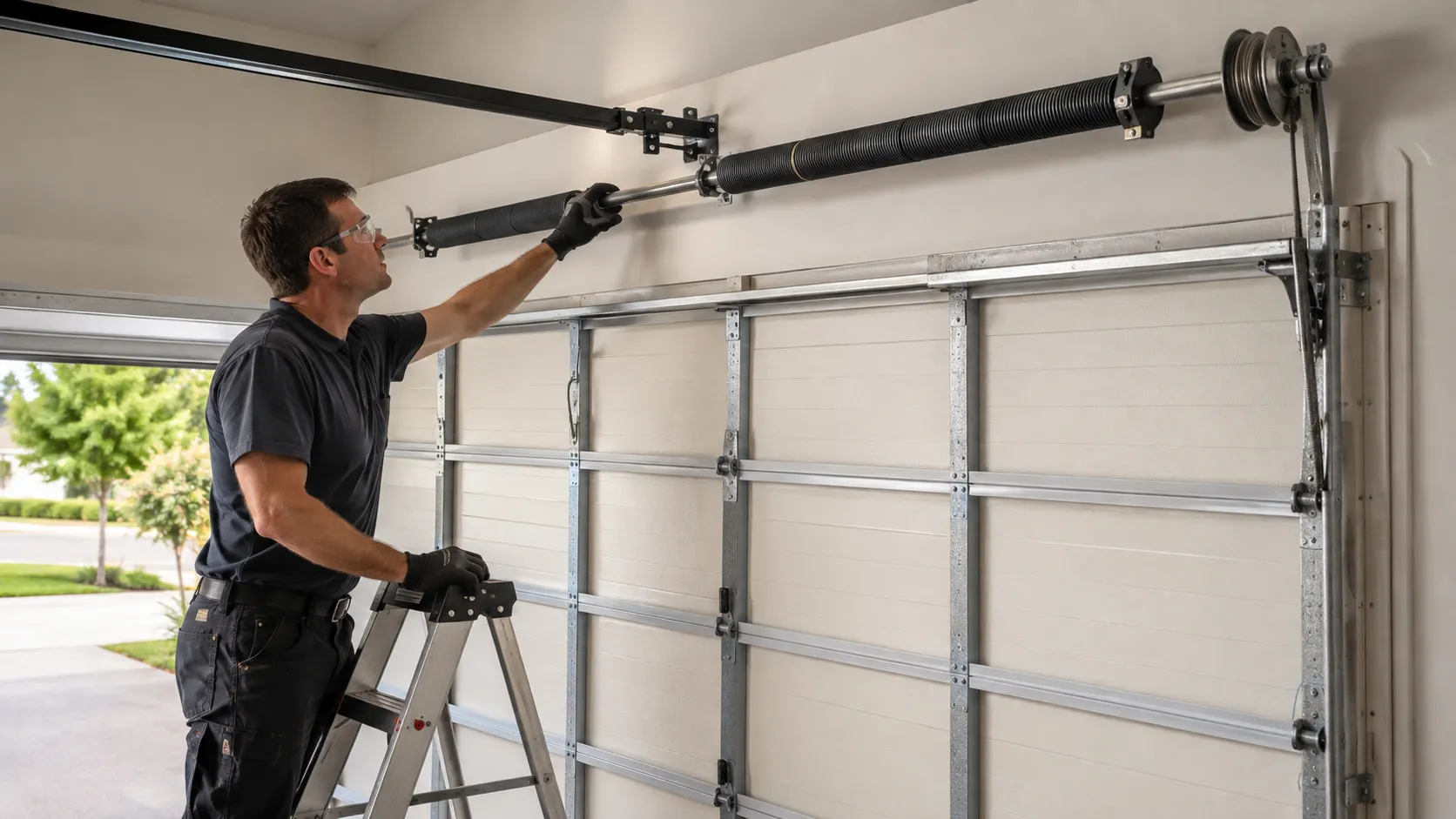
Milwaukee sits in a severe cold band, and that matters for track alignment more than most people expect. Steel track brackets and lag screws contract in deep cold, and on houses with original 1960s-70s hardware that contraction happens against wood and masonry that's already loosened over the decades. Add freeze-thaw cycling - cold snap, thaw, refreeze - and the track fasteners work looser each round, the same way a deck screw backs out over a few winters.
Ice buildup at the base of the track is the other half of it: a door that closes onto even a thin ice ridge on the slab gets pushed slightly off its vertical line every time, and that repeated nudge is enough to walk a roller out of an aging track over a season or two. None of this is dramatic on any single cold day. It's cumulative, which is why doors that ran fine for years suddenly start binding or jumping track in January and February on hardware that was already marginal from age.
The Situation
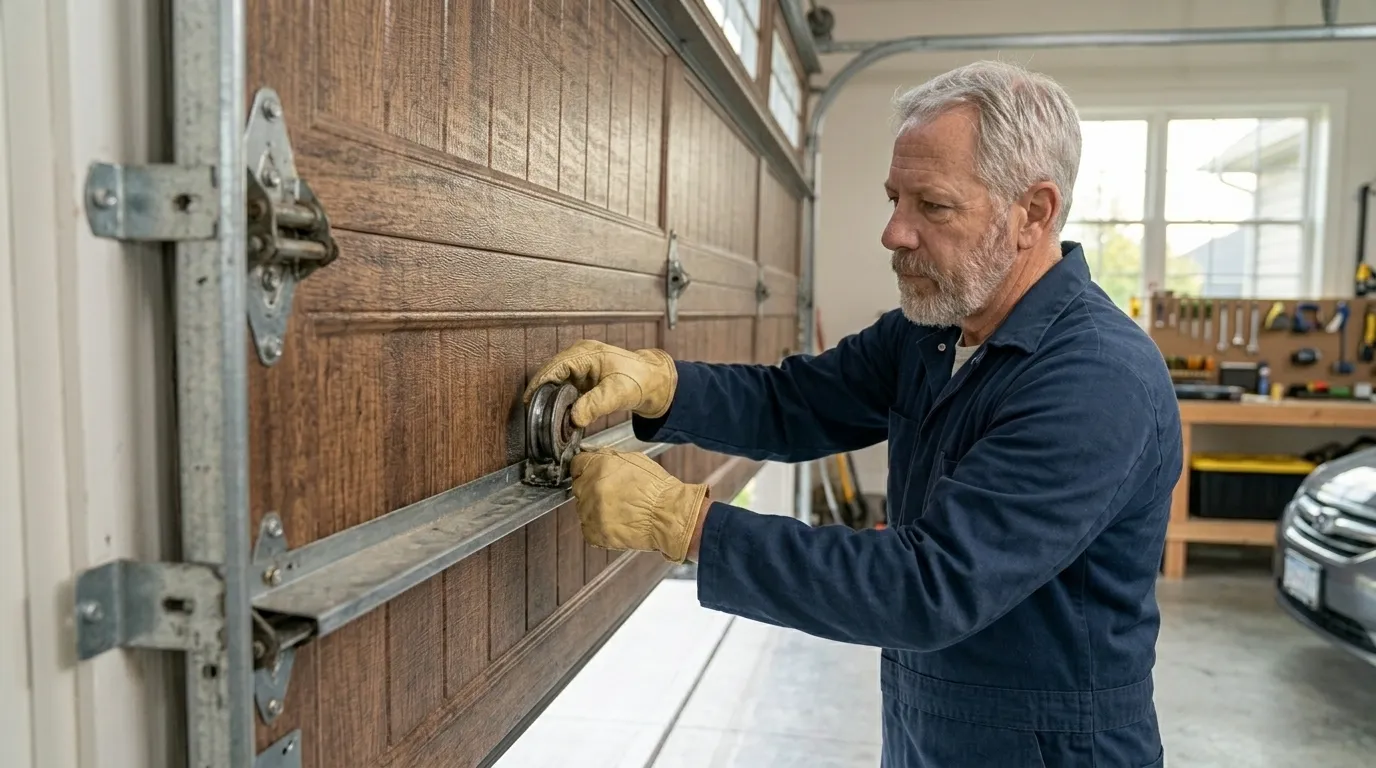
Across the 38 named neighborhoods and suburbs in this service area, the bulk of the housing stock traces to the 1960s and 70s, and that generation of garage doors mostly came with steel tracks fastened on brackets that predate galvanized rust-proofing as a standard practice. On a house in that range, the giveaway for an off-track door is usually a roller sitting visibly outside the channel at one of the curve sections, a gap between the track and the wall bracket you can see daylight through, or a door that stops and grinds partway open.
Out toward Wauwatosa, Shorewood, Glendale, and Whitefish Bay, four to five miles from the city core, that same original track hardware shows up on a lot of one-owner houses that haven't had the tracks replaced since the door itself went in. With 204,376 households and 100,460 owner-occupied houses across the area, a meaningful share of these calls trace back to hardware that's simply outlived its bracket fasteners, not to anything the homeowner did.
What You Pay
We don't have a set price to quote here without seeing the door, and giving one would be a guess dressed up as a fact. What drives the cost is whether the track itself is bent - which usually means replacement - or just knocked loose from its brackets, which is a realignment job. A door on original 1960s-70s hardware that's been fighting rusted-out lag bolts for years often needs new brackets even if the track itself is straight, because the wood behind them has chewed out.
One honest limitation: if a track is bowed more than slightly, we don't recommend bending it back into shape. It'll hold for a while and then fail again, usually at a worse moment, so replacement is the call even though it costs more up front than a quick straighten. Given the median household income of $102,097 across the area, most owners we talk to would rather pay once for a track replacement than pay twice for a patch that doesn't hold through another winter.
How We Can Help
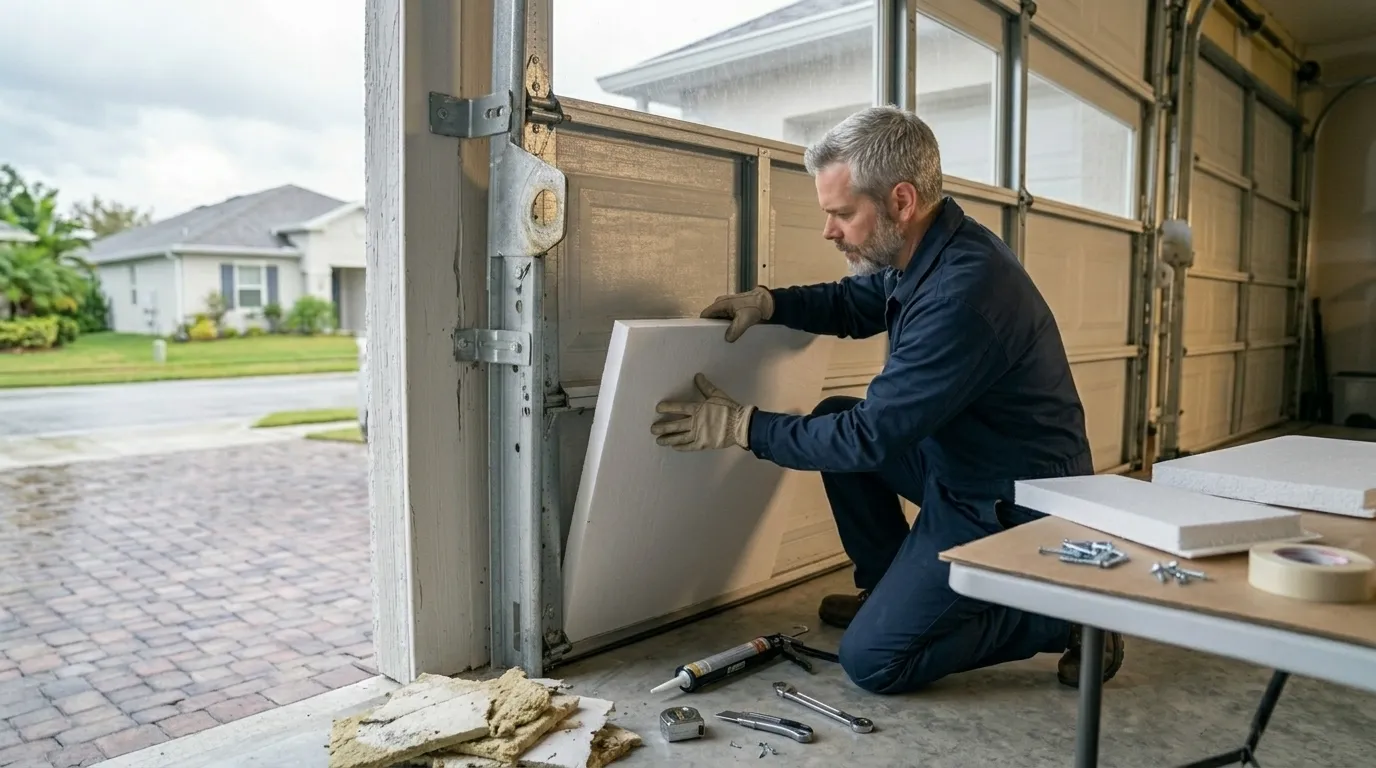
Garage Door Repair
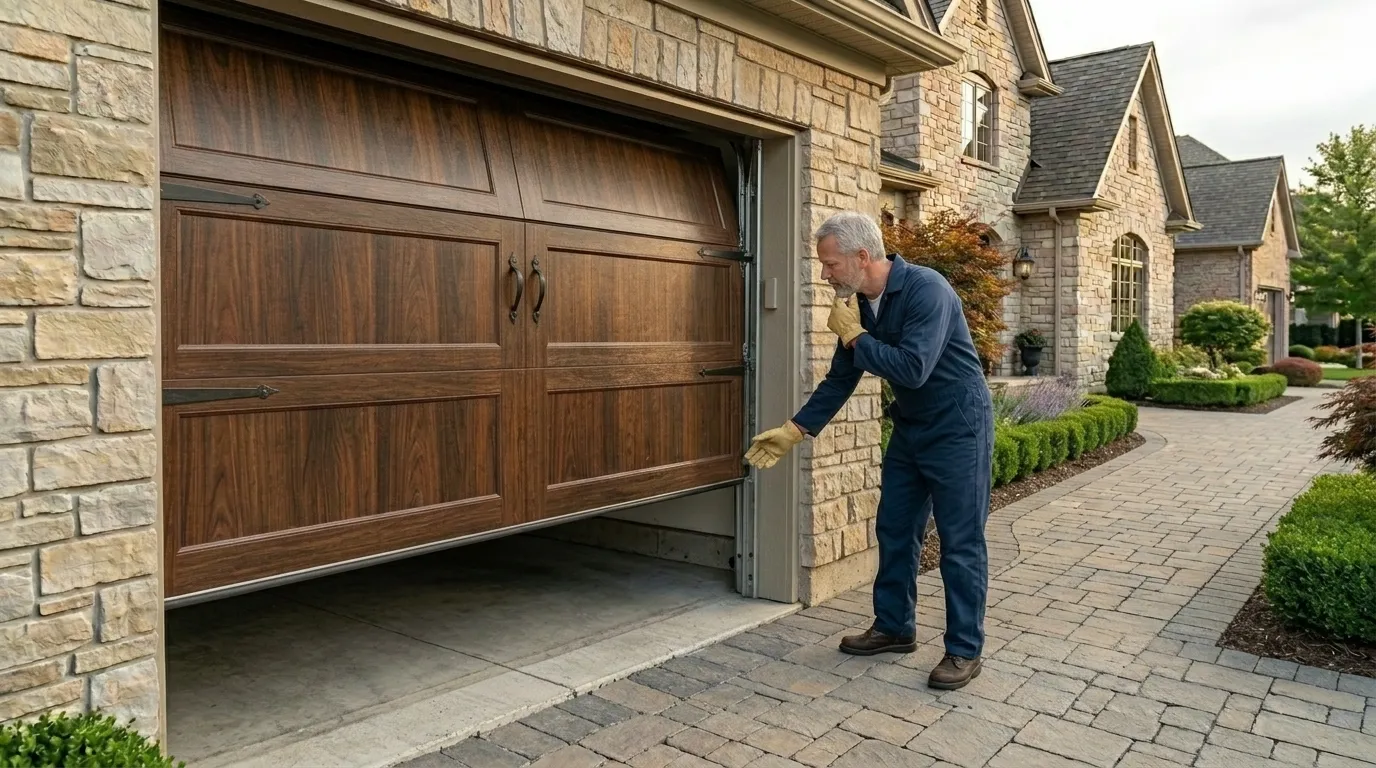
Springs, cables, tracks, rollers, and openers fixed by a tech who explains the problem before touching anything.
Learn more →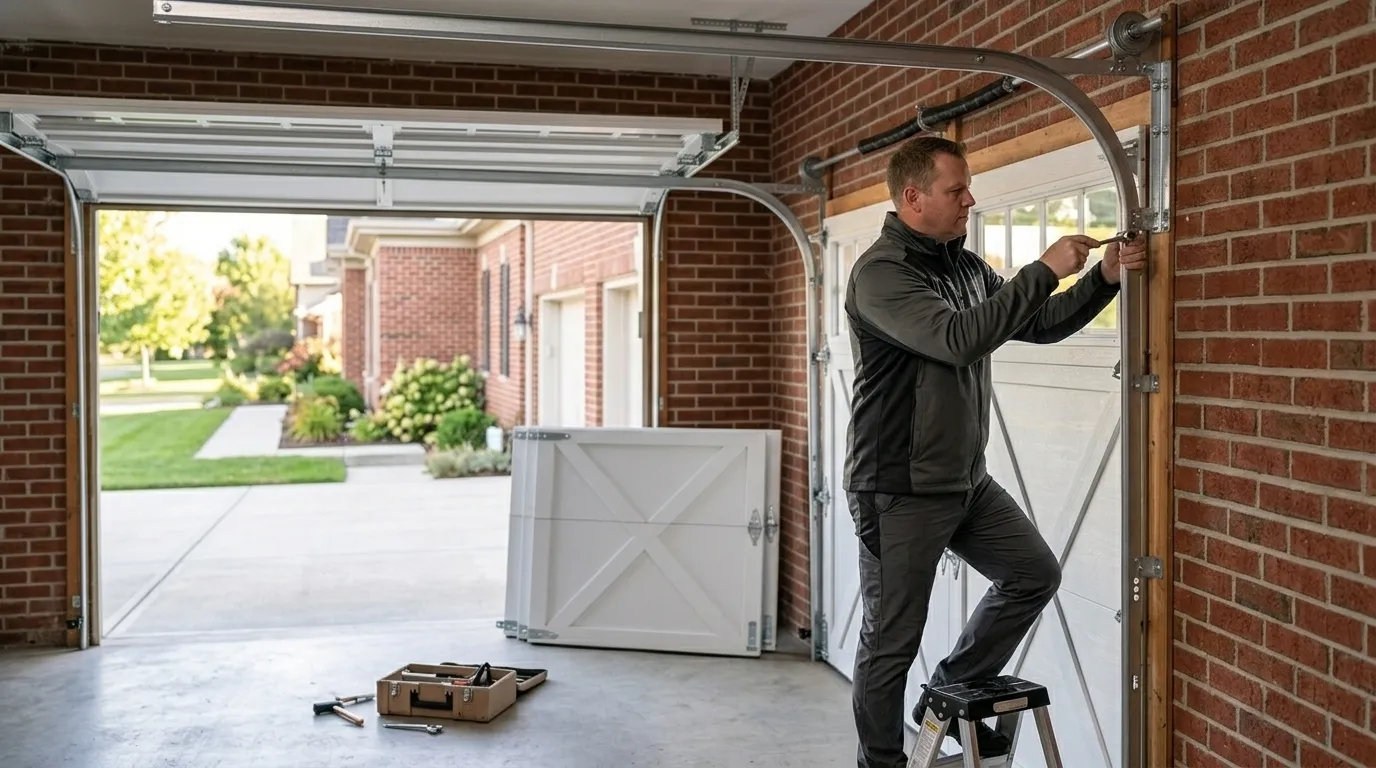
Garage Door Installation
New sectional doors sized and installed for the housing stock actually built in this area.
Learn more →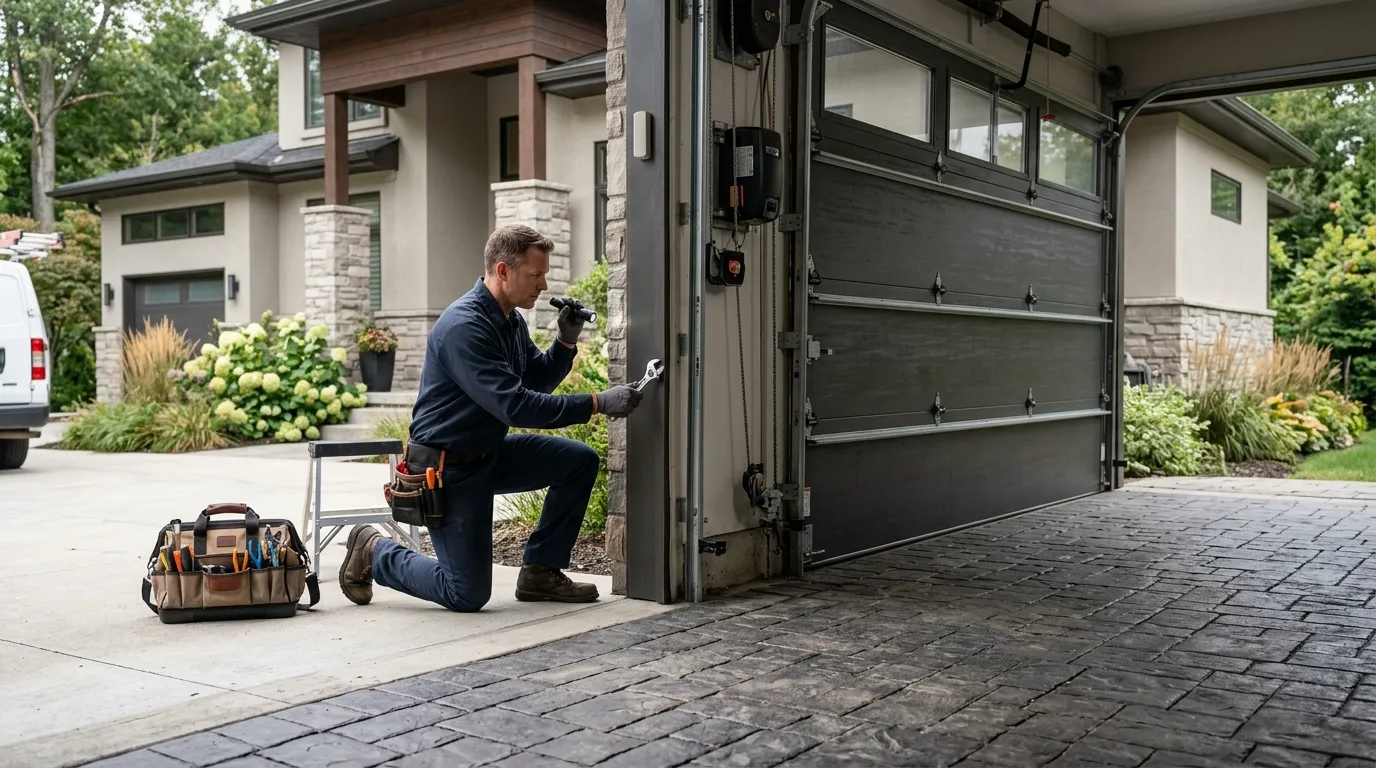
Garage Door Service
Tune-ups, lubrication, and safety checks that catch a small problem before it becomes a service call.
Learn more →Frequently Asked Questions
Why did my garage door suddenly jump off the track this winter?
Cold contraction on aging track brackets, combined with ice at the base of the track, is the most common cause here. Milwaukee's severe cold band means steel hardware contracts and expands repeatedly through the season, and on houses with original 1960s-70s track systems the fasteners have often already loosened from decades of that cycle.
Can a bent track be straightened instead of replaced?
Sometimes, if the bend is minor. But a track bowed more than slightly usually fails again after being straightened, often at a worse point in the cycle. On older hardware we typically recommend replacement rather than a repair that won't hold through another Milwaukee winter.
Is an off-track door safe to keep using?
No. Once a roller is out of the channel, every cycle grinds the track and roller further out of shape and can drop the panel edge into the frame. Disconnect the opener and stop running the door until the track is checked.
Does the age of my house affect what's wrong with my door?
Often, yes. Houses across this service area mostly went up between 1938 and 2000, with a lot dating to the 1960s and 70s, and that generation of track hardware predates today's rust-proofing standards. Original brackets on wood jambs that have shifted over fifty years are a common root cause.
Have a Door That Needs a Second Opinion?
Call and describe what it is doing - we will tell you what it likely is.