
Milwaukee, WI
Nearby Community
Garage Door Service for Butler, WI
Serving Butler, WI from Milwaukee, 6 miles out. We work on the 1960s-era single-car doors and steel track hardware common to this village's housing stock.
- Licensed & Insured
- Same-Area Service Calls
- Upfront Pricing
When We Can Get There
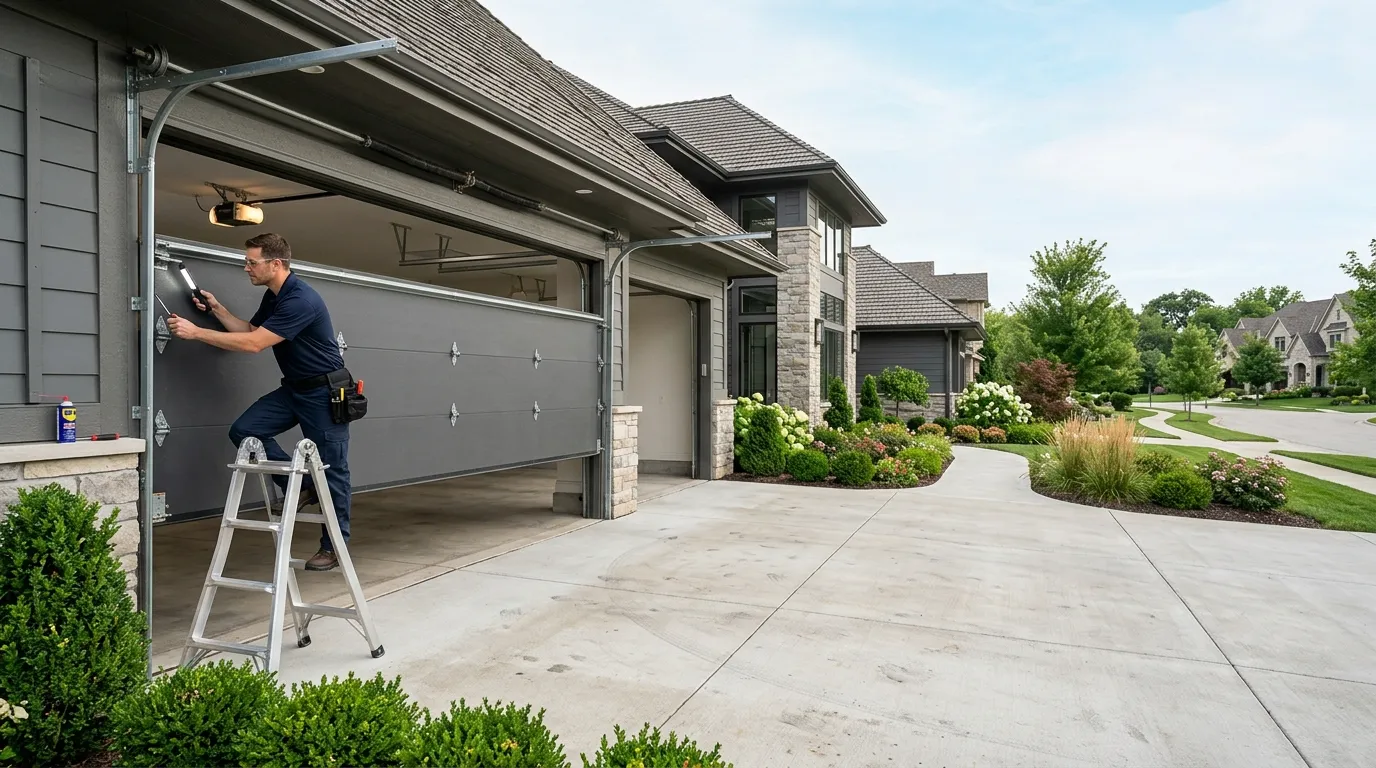
We run out of Milwaukee, and Butler sits about six miles out. We don't keep a depot in the village, so we won't tell you we're already around the corner - we're not. What we can tell you is that the drive is short enough that it doesn't add much to a job compared to closer-in stops, and winter is the variable that actually matters here.
This region sits in a severe cold climate band, and a January morning with an iced-over track or a spring that snapped overnight tends to bring more calls than a mild week in October. If you're booking ahead for something non-urgent, plan around that seasonal crunch rather than around distance. We'd rather say that plainly than promise a response window we can't back up for a village we visit rather than sit in.
What Was Built Here
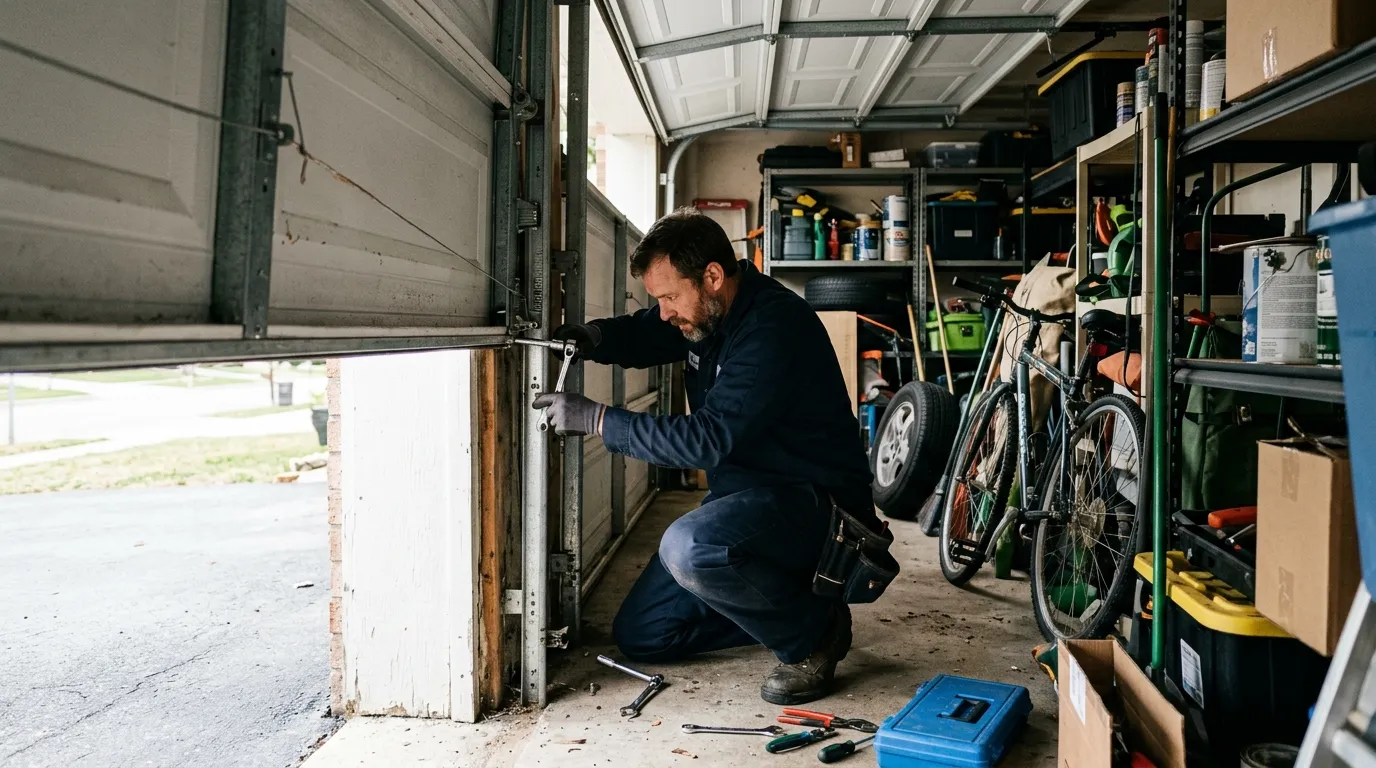
Butler's housing skews older than the service area as a whole. The typical home here went up around 1960, while the median build year across the broader 38-area coverage we work is closer to 1971 - a decade newer. With roughly 850 households in the village, it's a small, tight-built pocket, not a sprawling subdivision, and that shows in the garages: narrower lots, more single-car bays, fewer of the wide three-car setups you'll find in the newer edges of the metro.
Median household income in Butler runs about $55,577, noticeably under the $102,097 median for the wider service area, which tracks with the age and scale of the housing - these are modest post-war homes, not the larger builds that came later in areas like Elm Grove or Mequon. None of that is a knock on the village. It just means the doors we pull off Butler garages are, on average, older than what we see ten minutes away.
What the Housing Means for Your Door
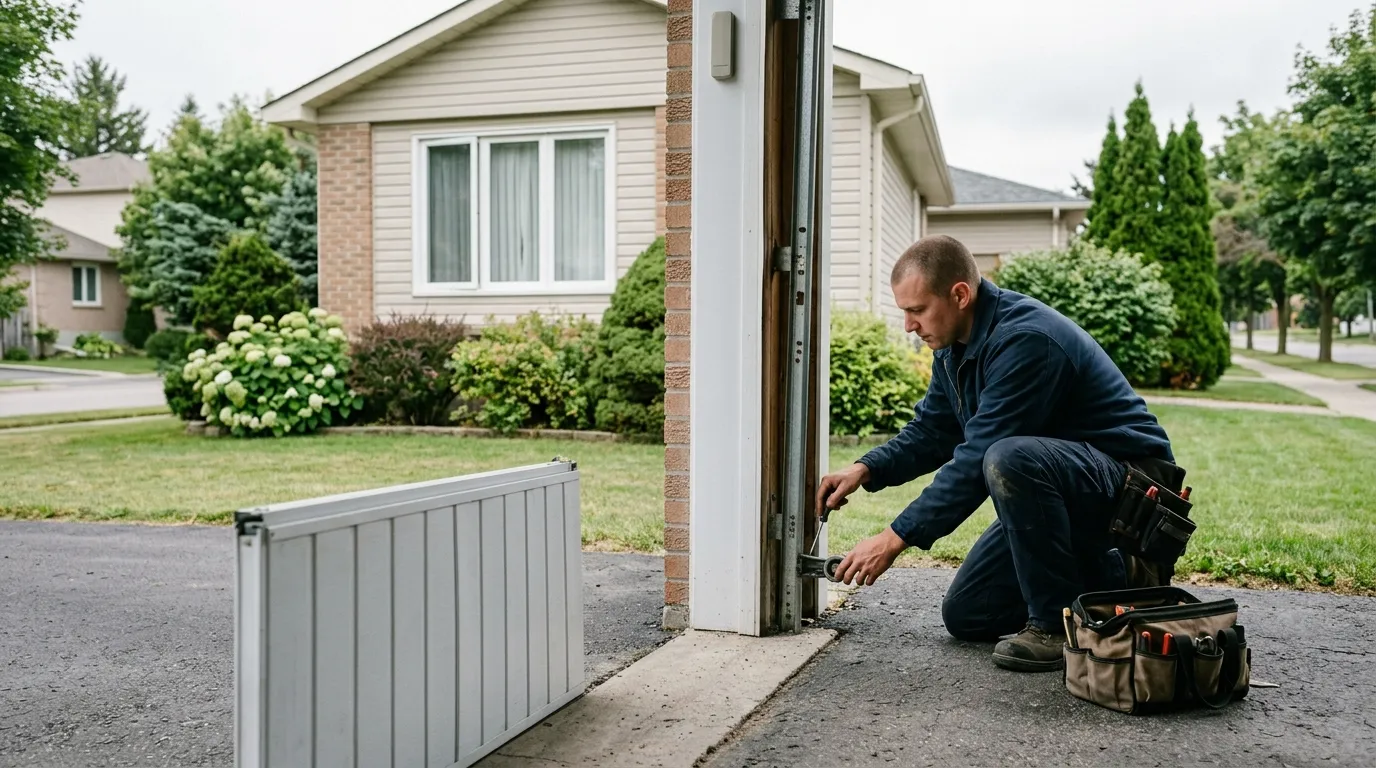
A house built around 1960 usually came with a garage door and hardware sized for that era: single-car openings, steel tracks, and extension springs mounted along the horizontal rail rather than the torsion springs over the header that became standard later. Extension spring setups fail differently - you get sudden slack in the cable, not the slow-binding symptoms a torsion system shows - and they're less forgiving if a homeowner tries to adjust them without disconnecting the door first. Cold matters more on this hardware too.
Steel from that period is a heavier gauge but usually uninsulated, so panels flex and paint cracks at the hinges faster in a severe-cold climate than on a foam-core door installed in the last fifteen years. One honest limitation: some of the original panel widths and roller sizes from 1960s installs aren't something we carry on the truck as standard stock. If a Butler door needs a matched replacement panel rather than a full door swap, that part sometimes has to be special-ordered, and that adds days, not hours.
Old Streets and New Ones
Butler is a small village boxed in by larger, newer growth on most sides - places like Elm Grove and Germantown built out later with wider setbacks and bigger garage bays. That contrast is useful context: if you've lived in Butler a while and then walk a newer street nearby, the difference in door width and header height is visible from the sidewalk, not just in the paperwork. It also means parts availability skews toward what's common in the newer stock, not the older single-car sizing still common here.
We don't treat Butler as an afterthought stop on the way to somewhere bigger. The village's housing has its own maintenance pattern - older springs, older tracks, smaller openings - and that's the job we show up prepared for, not a generic newer-build service call with the address changed.
How We Can Help
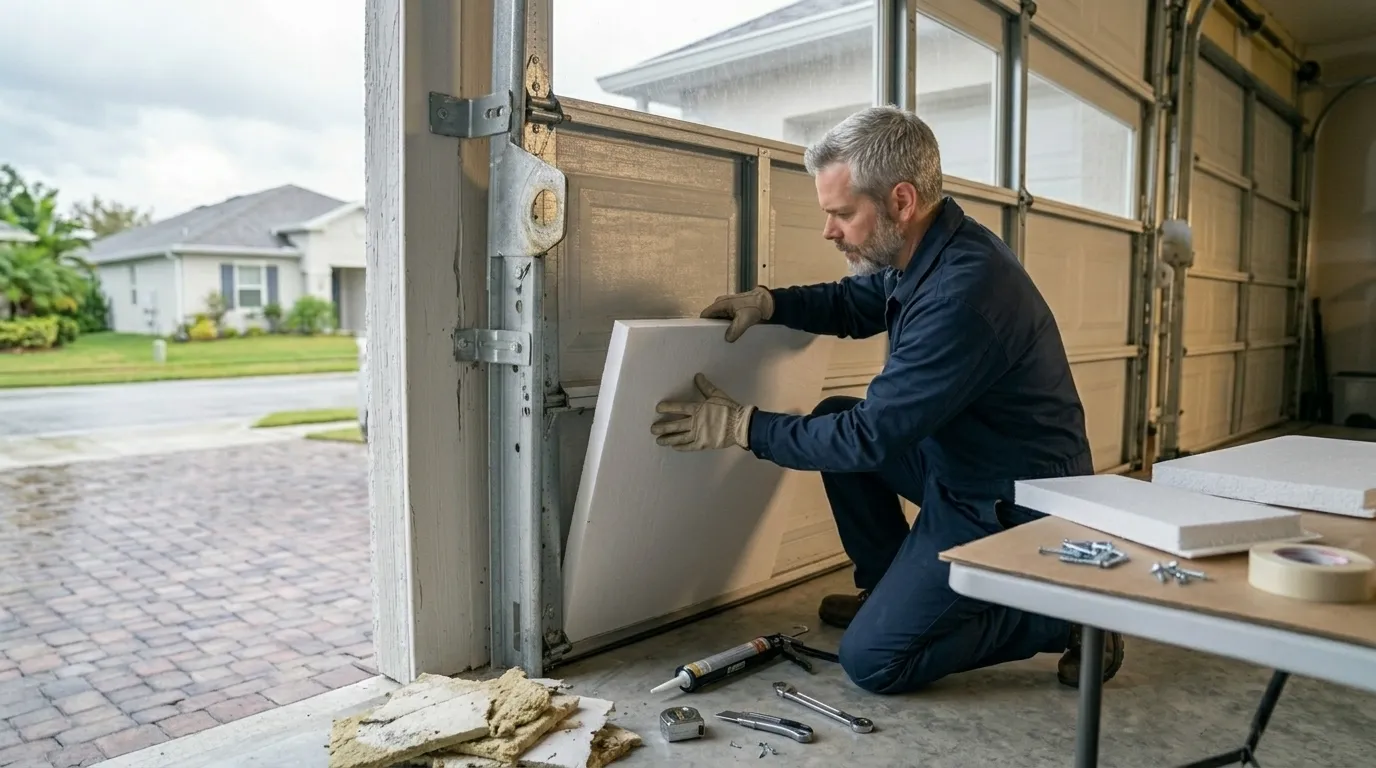
Garage Door Repair
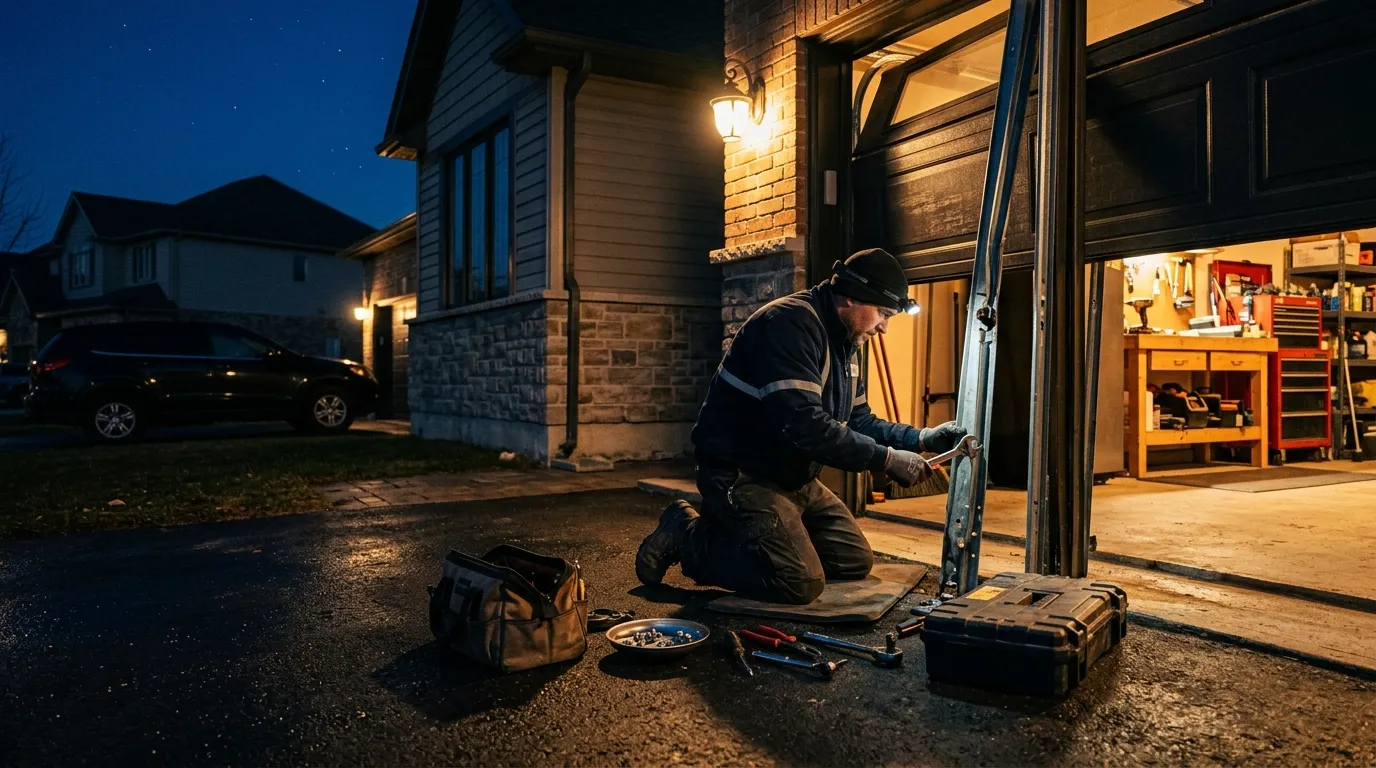
Springs, cables, tracks, rollers, and openers fixed by a tech who explains the problem before touching anything.
Learn more →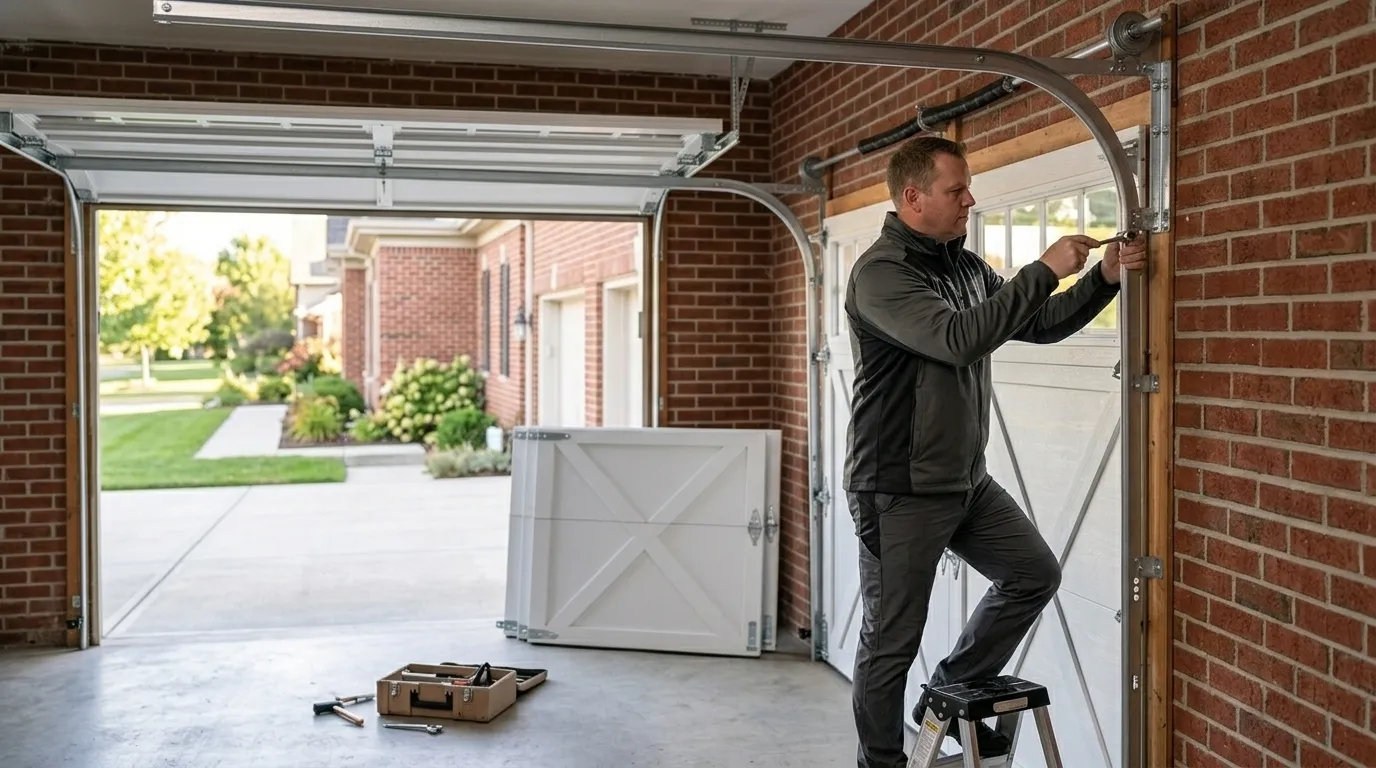
Garage Door Installation
New sectional doors sized and installed for the housing stock actually built in this area.
Learn more →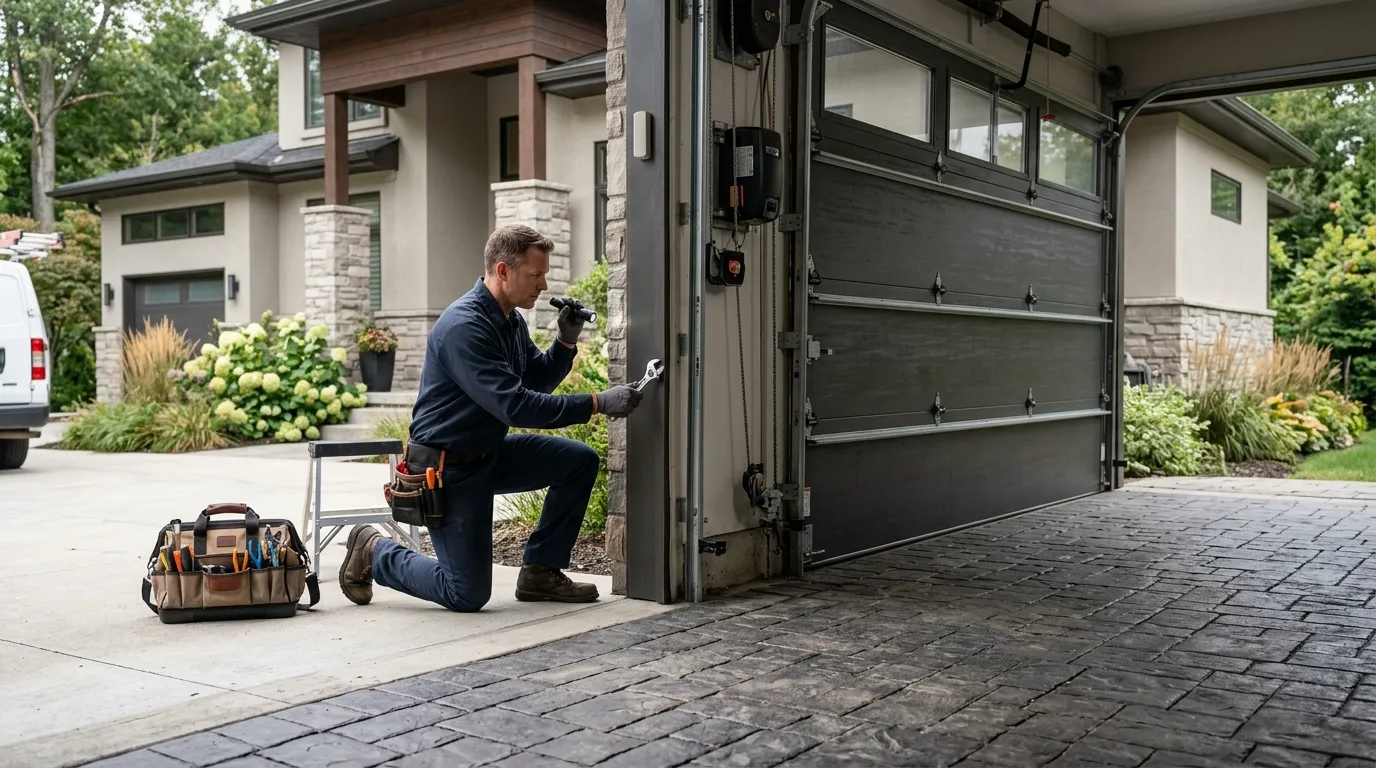
Garage Door Service
Tune-ups, lubrication, and safety checks that catch a small problem before it becomes a service call.
Learn more →What Happens When You Call
-
1
Call or Request a Quote
Tell us what the door is doing and roughly how old the house is - that alone points us toward the likely part before a truck leaves.
-
2
On-Site Diagnosis
A tech checks the spring, cables, tracks, and opener in person and tells you plainly what is actually wrong.
-
3
Straight Price, No Surprises
You get a number before any work starts. It covers parts and labor, nothing added after the fact.
-
4
Fixed the Same Visit
Most repairs are done in one trip. If a part needs sourcing, we tell you that upfront instead of guessing.
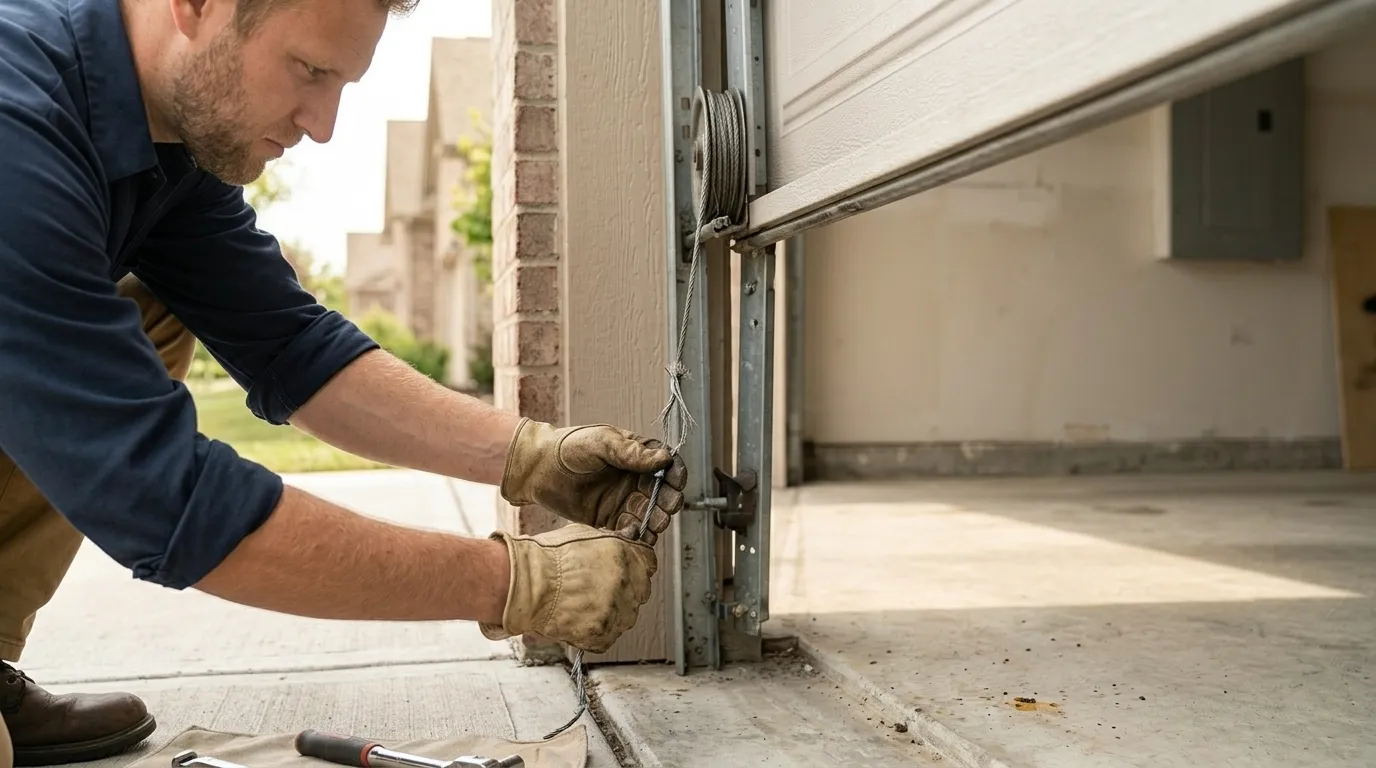
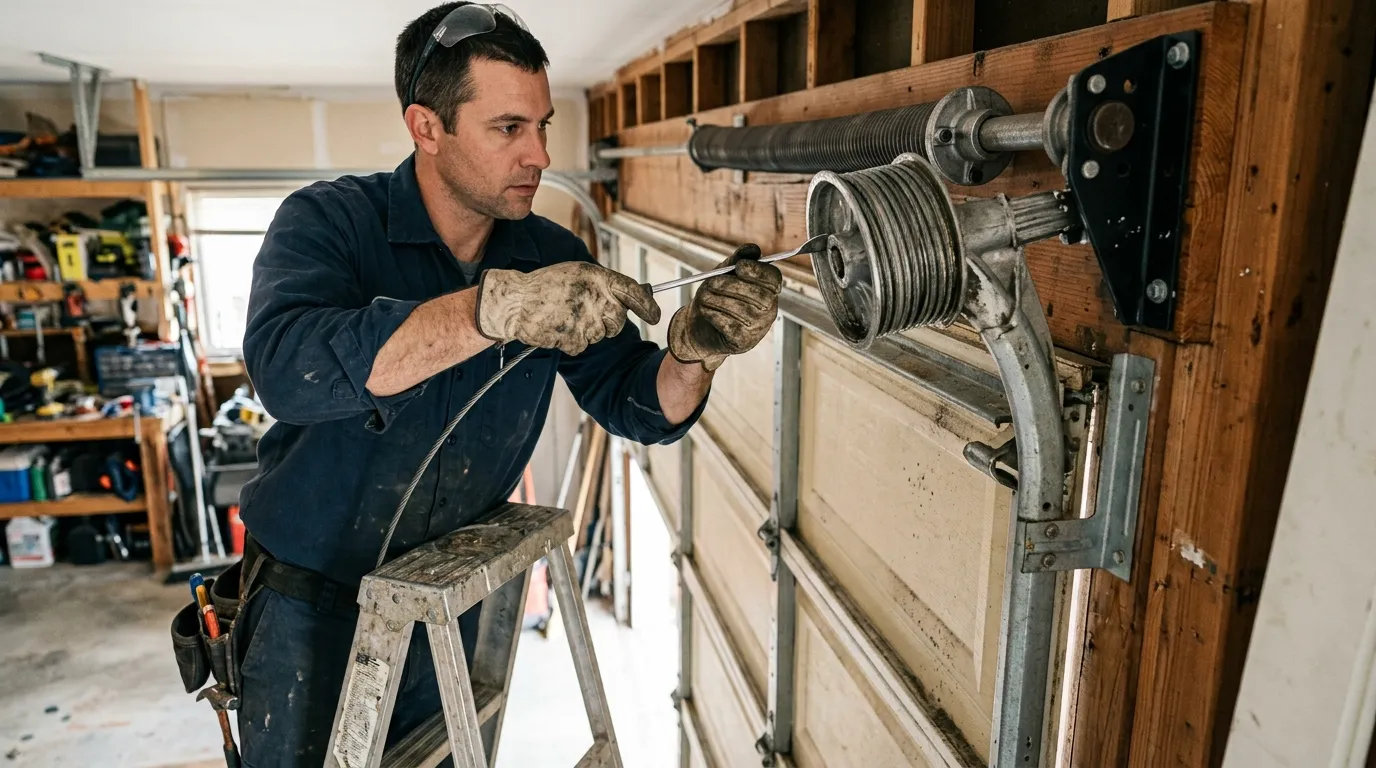
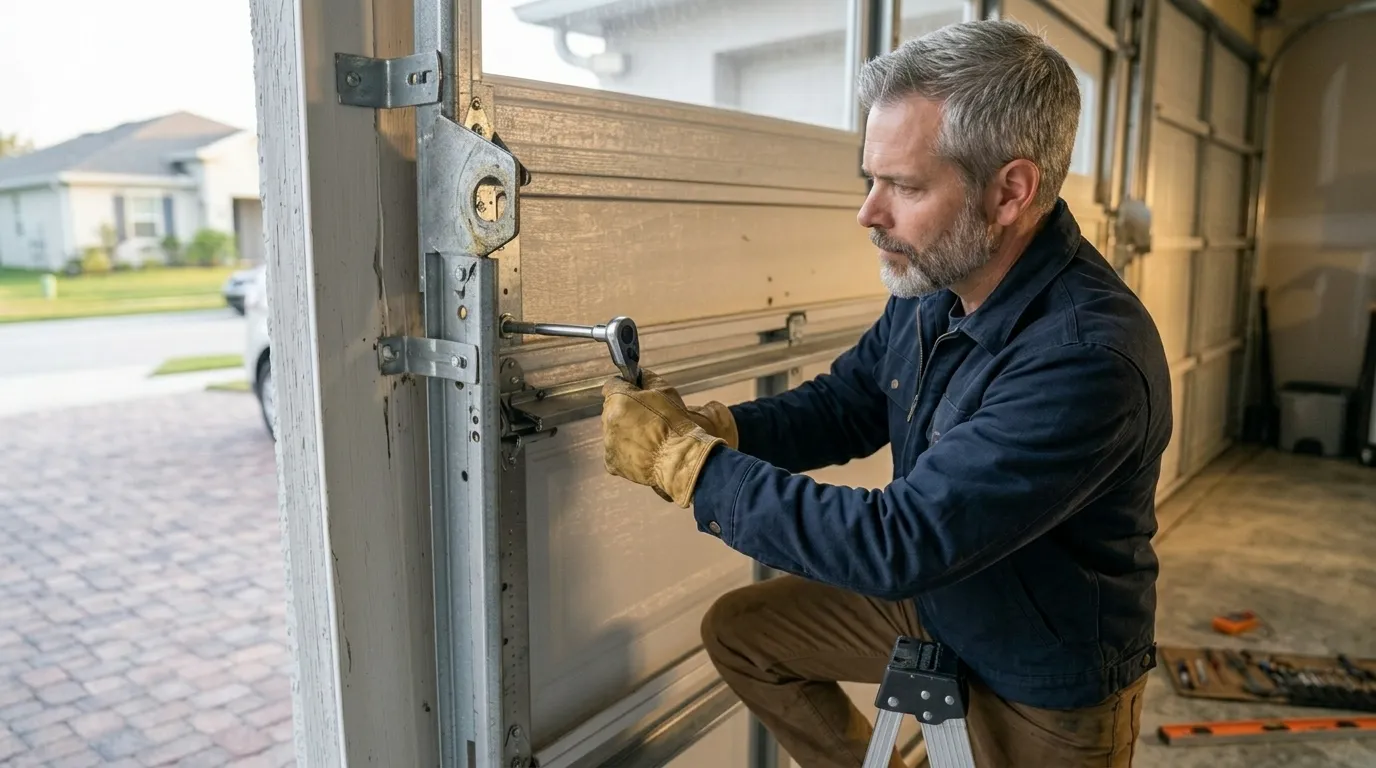
Recent Work Near Butler
Frequently Asked Questions
Do you have a location in Butler?
No. We operate out of Milwaukee and drive to Butler for calls, about six miles each way. We don't want to imply a local depot we don't have - what we can offer is a truck that comes prepared for the older single-car hardware common in the village's 1960s-era homes.
Why does my extension spring keep failing?
Extension springs, common on garages built around Butler's 1960 median build year, sit along the horizontal track rather than over the header. They wear differently than torsion springs and tend to fail suddenly rather than gradually, especially after repeated cold-weather flexing typical of this severe-cold climate region.
Can you match my original door panel?
Sometimes, but not always off the truck. Panel widths and roller sizes from 1960s-era single-car doors aren't stock items the way modern sizes are, so a matched replacement panel may need to be special-ordered, which adds a few days to the job compared to a same-day repair.
Is my door too old to repair?
Not necessarily. Steel doors from Butler's era are heavier gauge and often outlast newer lightweight panels structurally. The usual tipping point is when the track or spring hardware itself is failing repeatedly - at that point a full replacement can cost less over time than another patch repair.