
Milwaukee, WI
Milwaukee Garage Door Pros
Garage Door Repair Built Around Milwaukee's Older Housing Stock
Garage door repair for Milwaukee homes built 1938-2000, from Avenues West to Riverwest and out toward Wauwatosa. Springs, openers, and doors sized to old torsion hardware.
- Licensed & Insured
- Same-Area Service Calls
- Upfront Pricing
How We Can Help
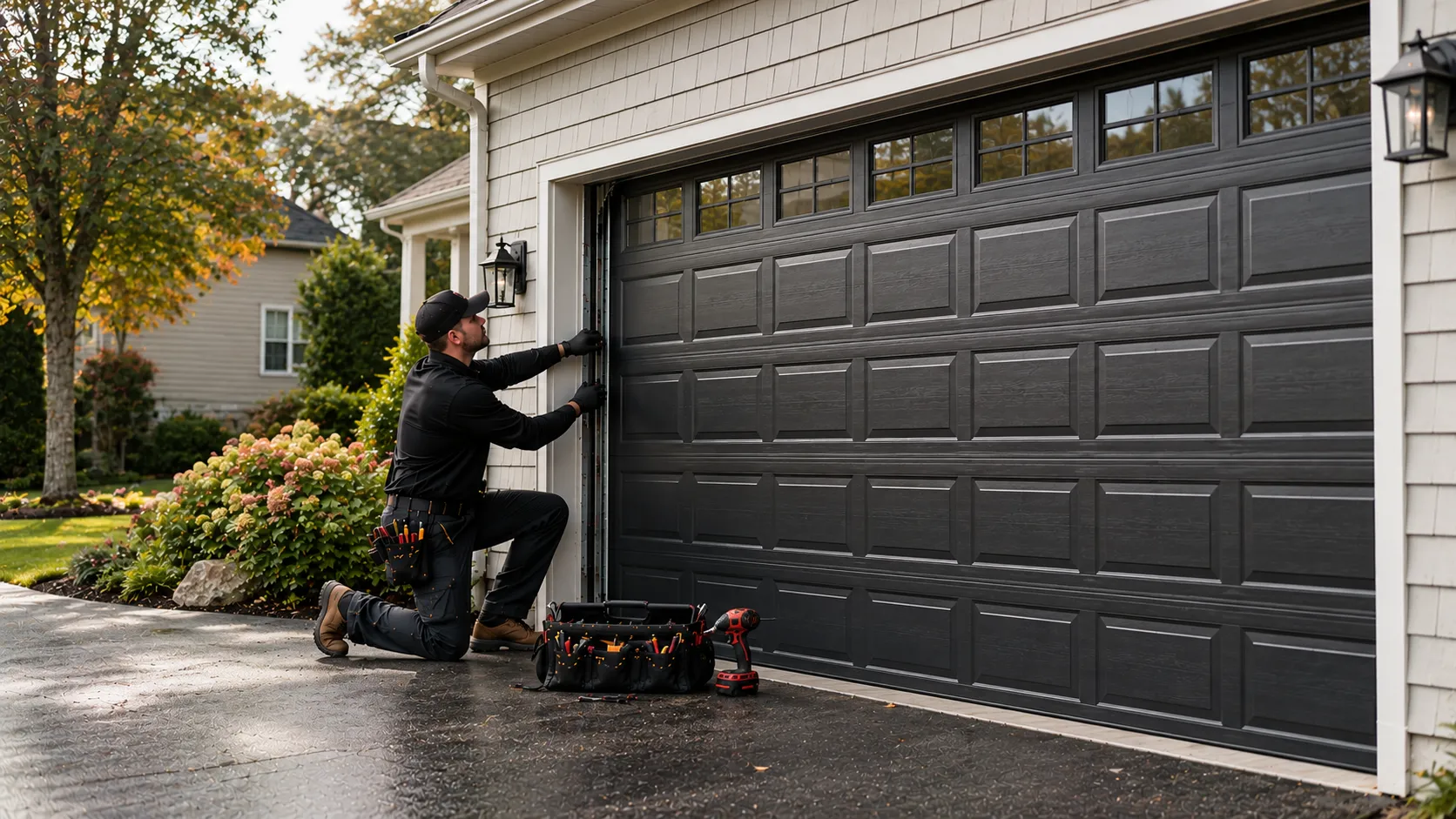
Garage Door Repair
Springs, cables, tracks, rollers, and openers fixed by a tech who explains the problem before touching anything.
Learn more →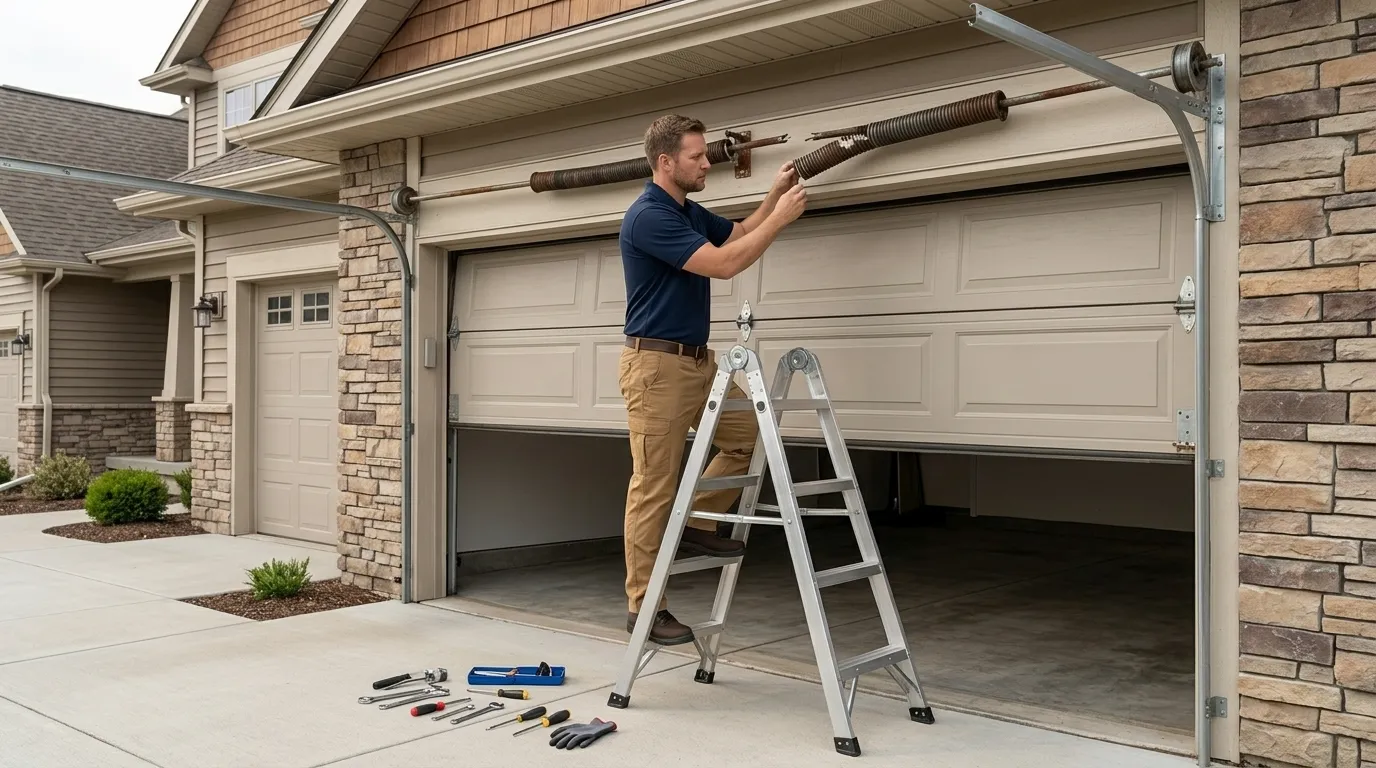
Garage Door Service
Tune-ups, lubrication, and safety checks that catch a small problem before it becomes a service call.
Learn more →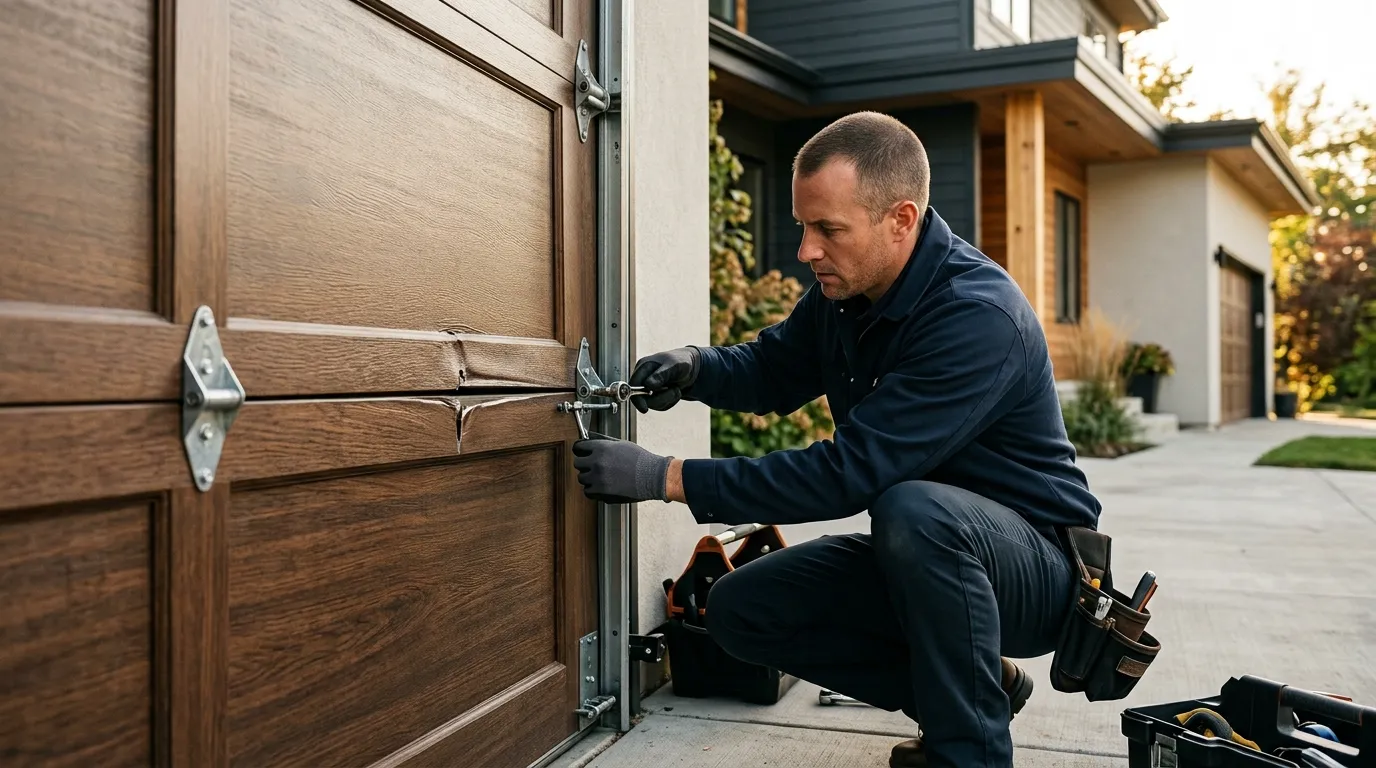
Garage Door Maintenance
Garage Door Maintenance handled by trained, insured local technicians with upfront pricing.
Learn more →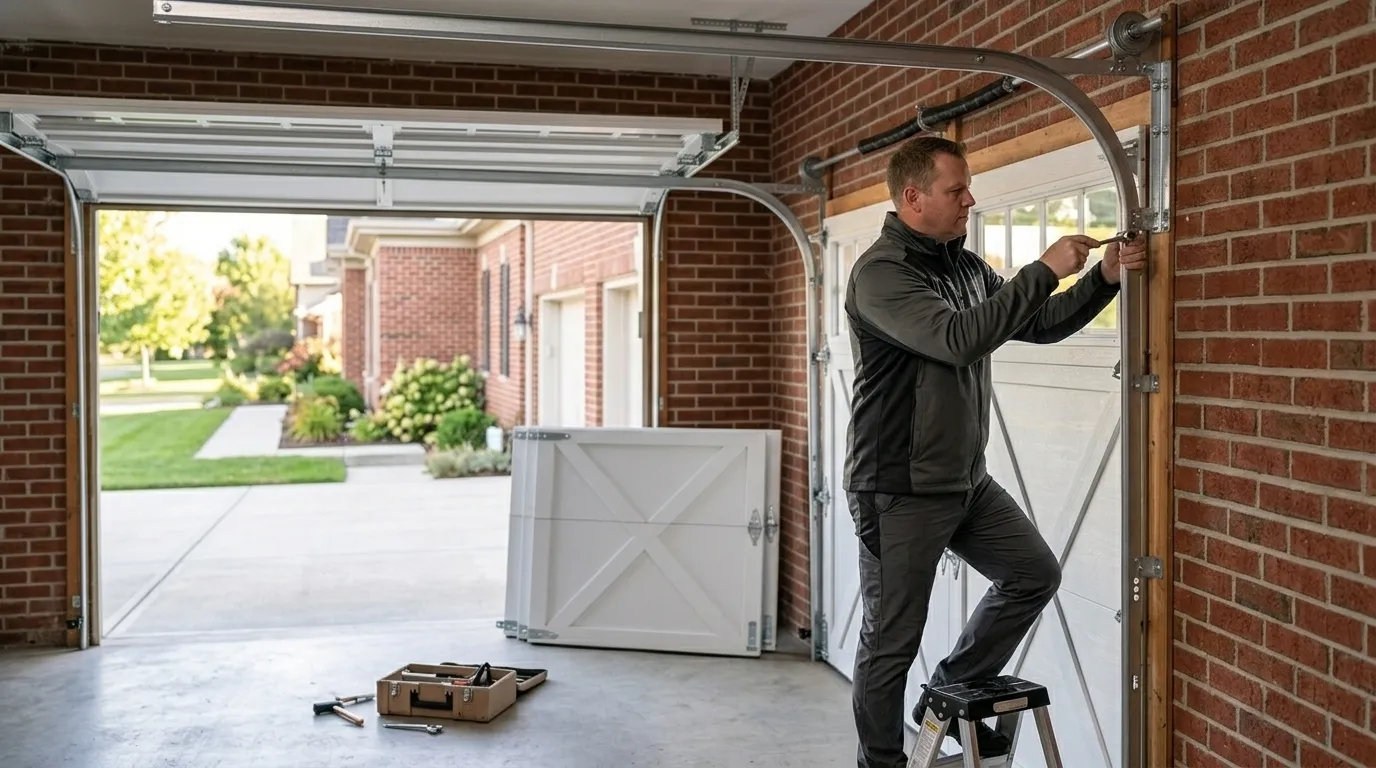
Garage Door Installation
New sectional doors sized and installed for the housing stock actually built in this area.
Learn more →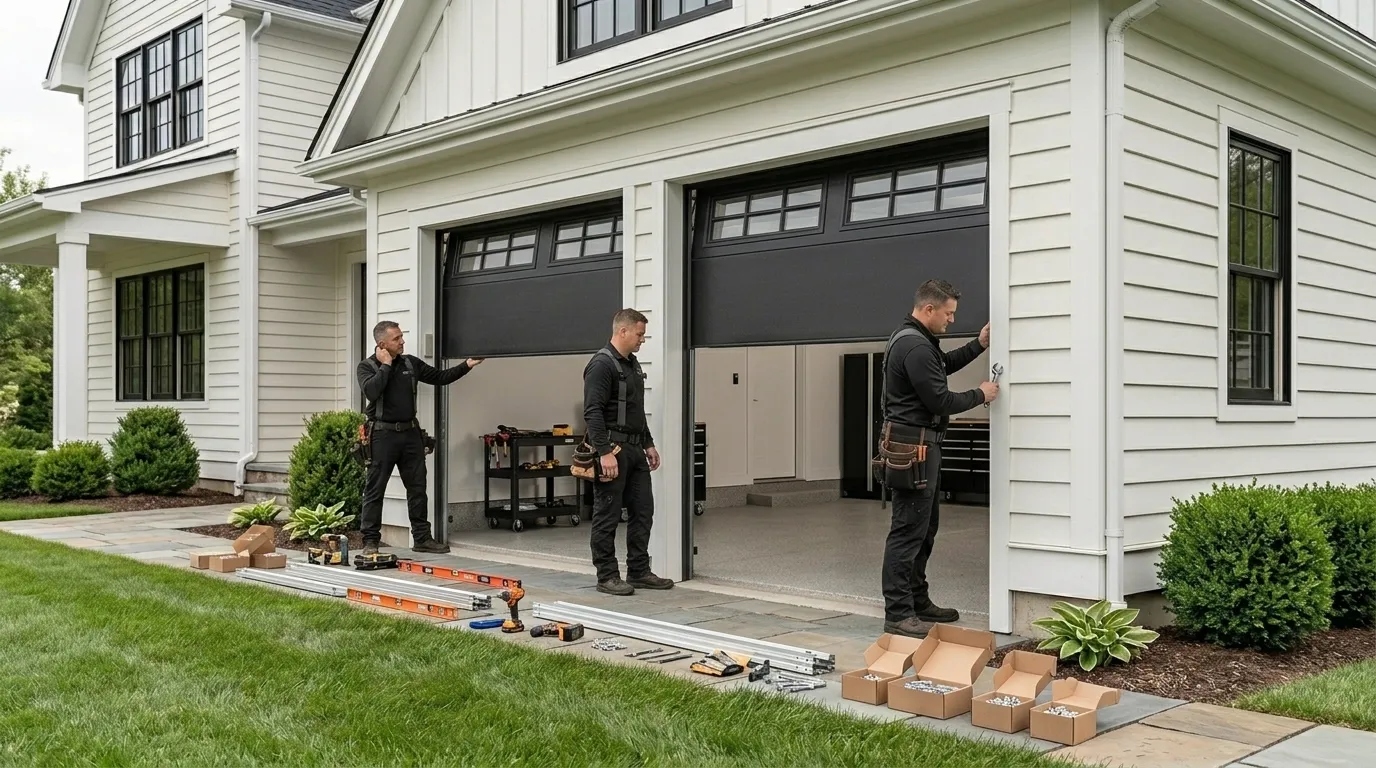
Garage Door Opener Installation
New openers sized to your door and set up with the safety sensors dialed in.
Learn more →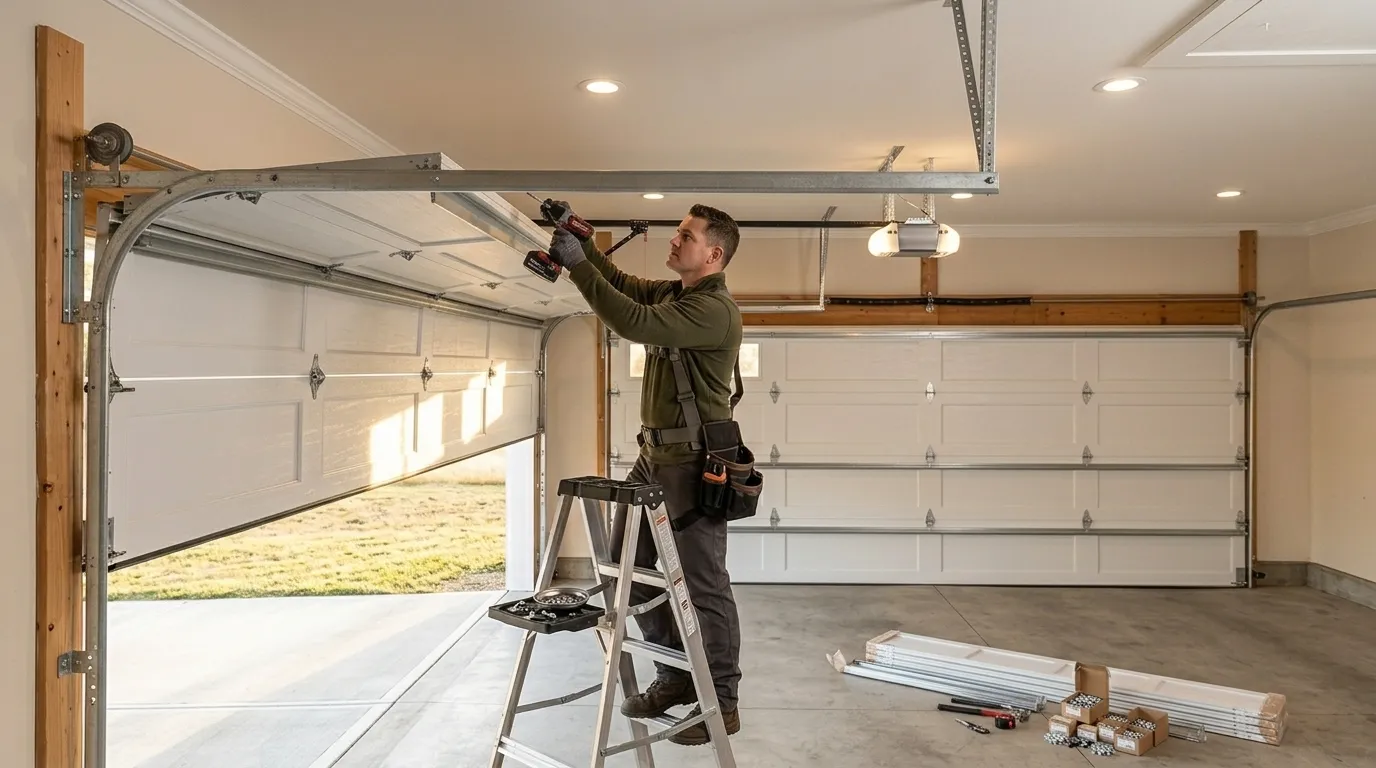
Garage Door Off Track
Doors that jumped the track reset safely, with rollers and alignment checked so it holds.
Learn more →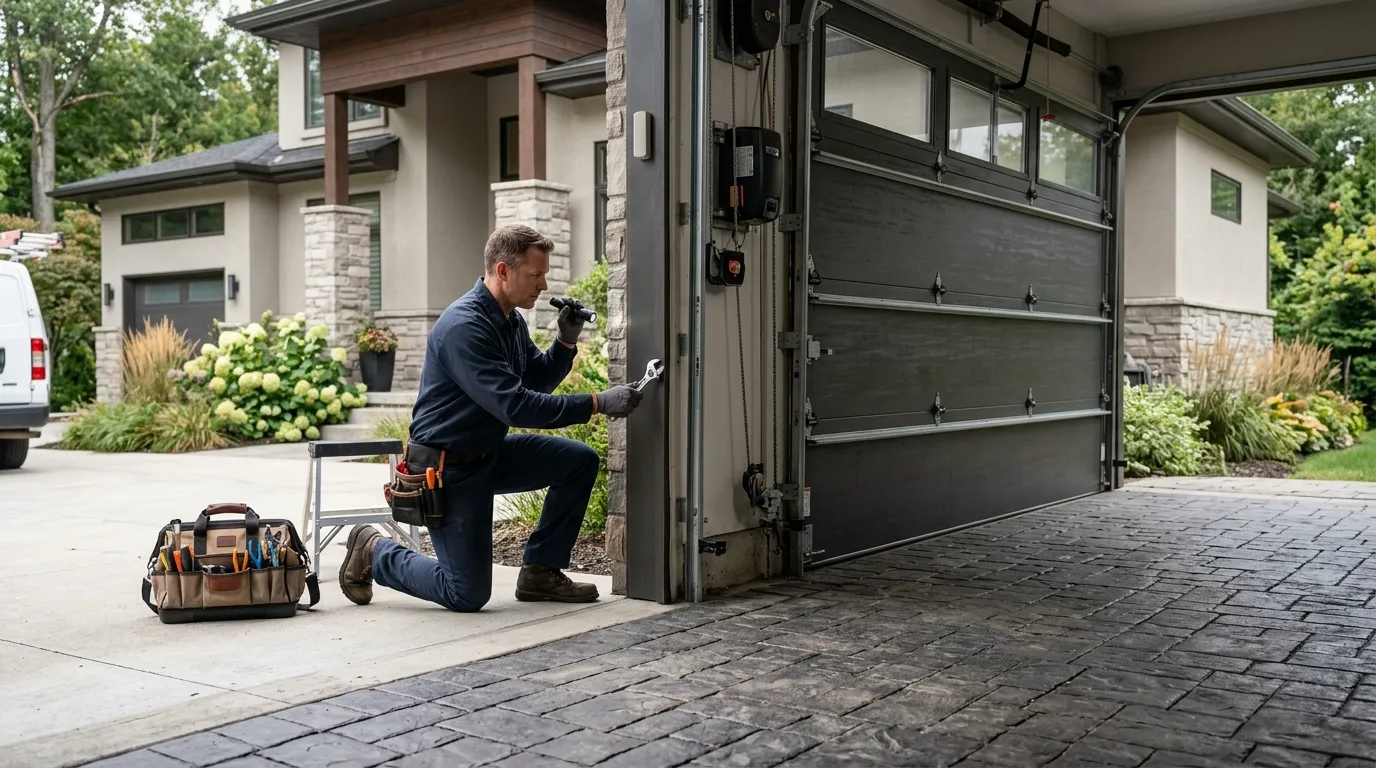
Garage Door Spring Repair
Broken torsion and extension springs replaced and the door rebalanced in the same visit.
Learn more →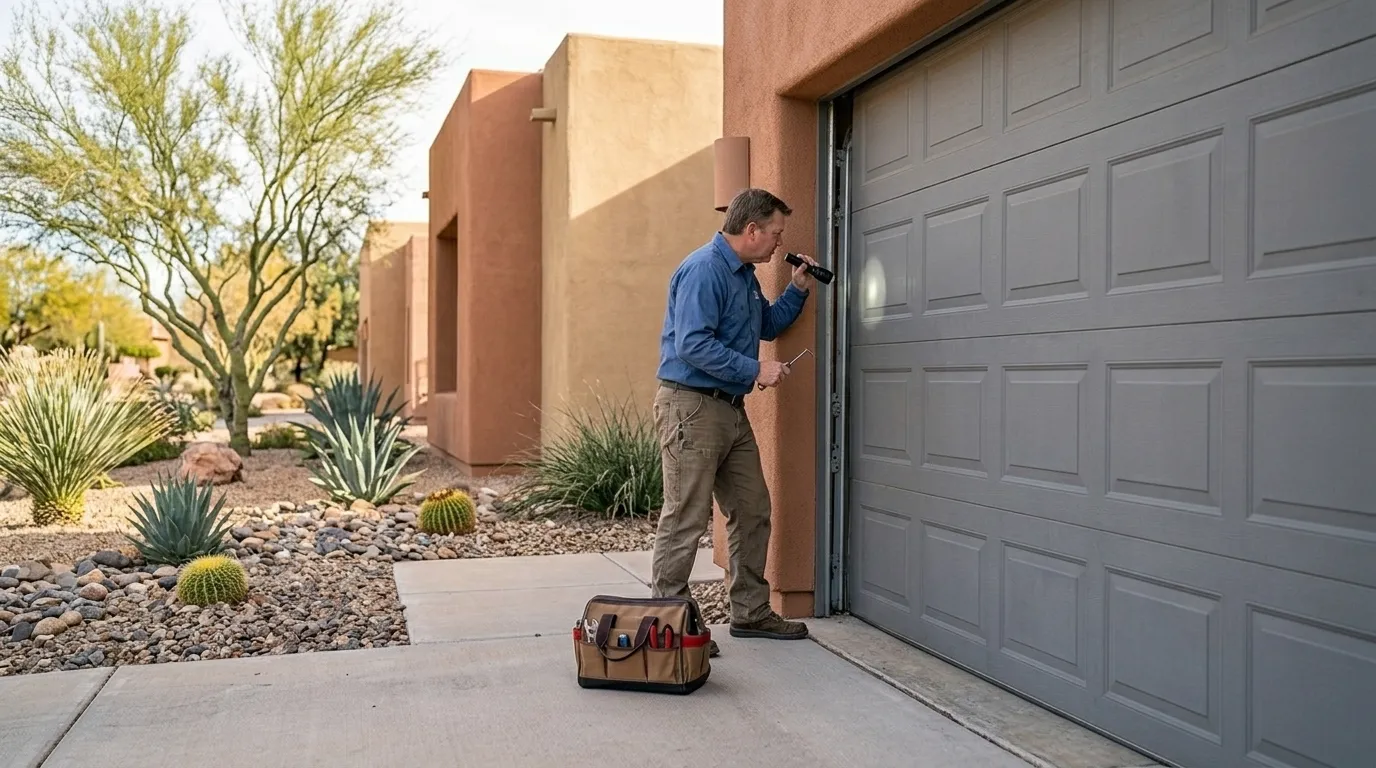
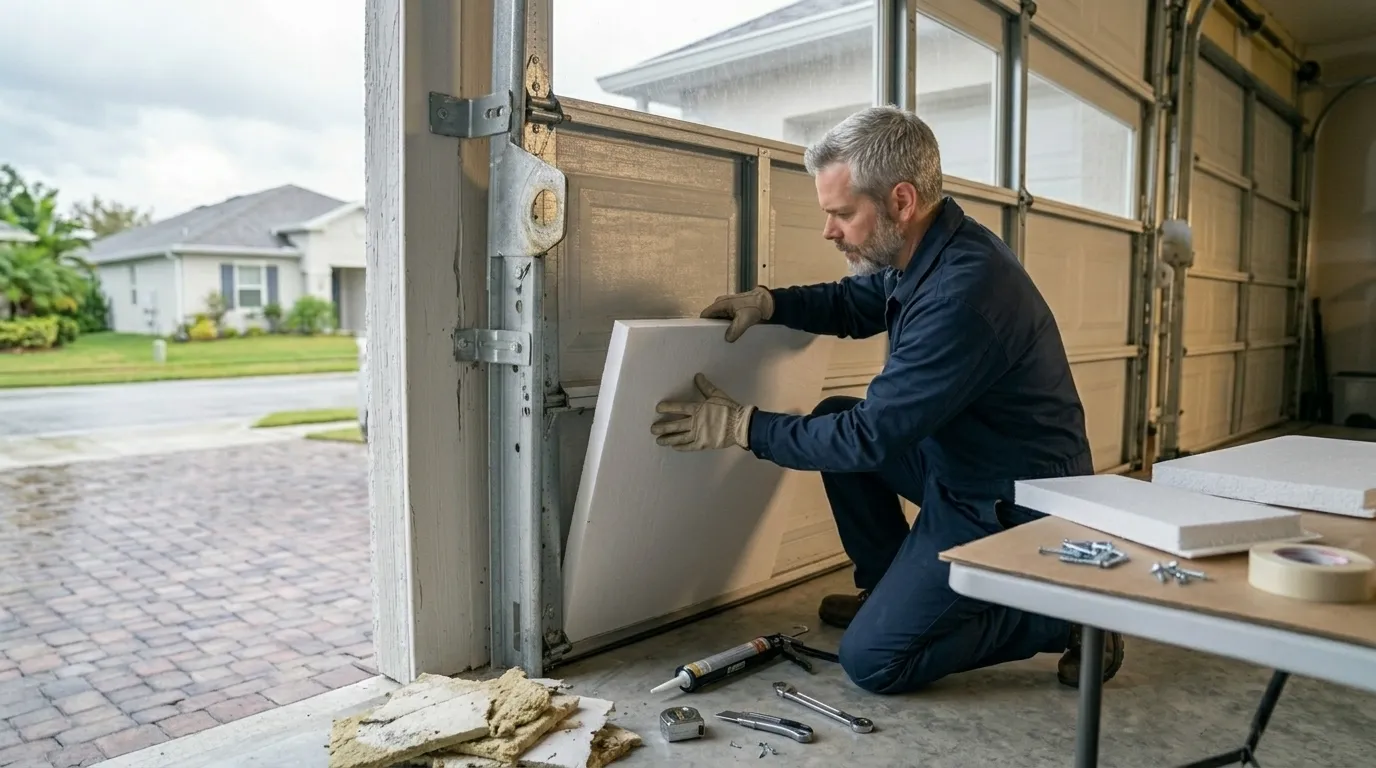
Garage Door Panel Replacement
Dented or cracked panels swapped without replacing the whole door where the frame is sound.
Learn more →Why Milwaukee Calls Us
Local facts, not a franchise script.
What Happens When You Call
-
1
Call or Request a Quote
Tell us what the door is doing and roughly how old the house is - that alone points us toward the likely part before a truck leaves.
-
2
On-Site Diagnosis
A tech checks the spring, cables, tracks, and opener in person and tells you plainly what is actually wrong.
-
3
Straight Price, No Surprises
You get a number before any work starts. It covers parts and labor, nothing added after the fact.
-
4
Fixed the Same Visit
Most repairs are done in one trip. If a part needs sourcing, we tell you that upfront instead of guessing.
What Breaks Around Here
Most of the houses we get called to were built between 1938 and 2000, with a lot of the stock dating to the 1960s and '70s across the 38 named areas we work in, from Avenues West and Harambee close to downtown out toward Wauwatosa and Whitefish Bay a few miles off. That means original torsion springs on hardware nobody makes replacement drums for anymore, one-piece doors that were never meant to carry an opener, and tracks bent from decades of Wisconsin freeze-thaw cycles working on the bolts. The cold band here is severe, and it shows up in specific ways: nylon rollers that go brittle and crack in January, cables that stretch and jump the drum when the steel contracts, and openers whose gear sets strip because the door itself has gotten heavier and harder to lift as the springs age.
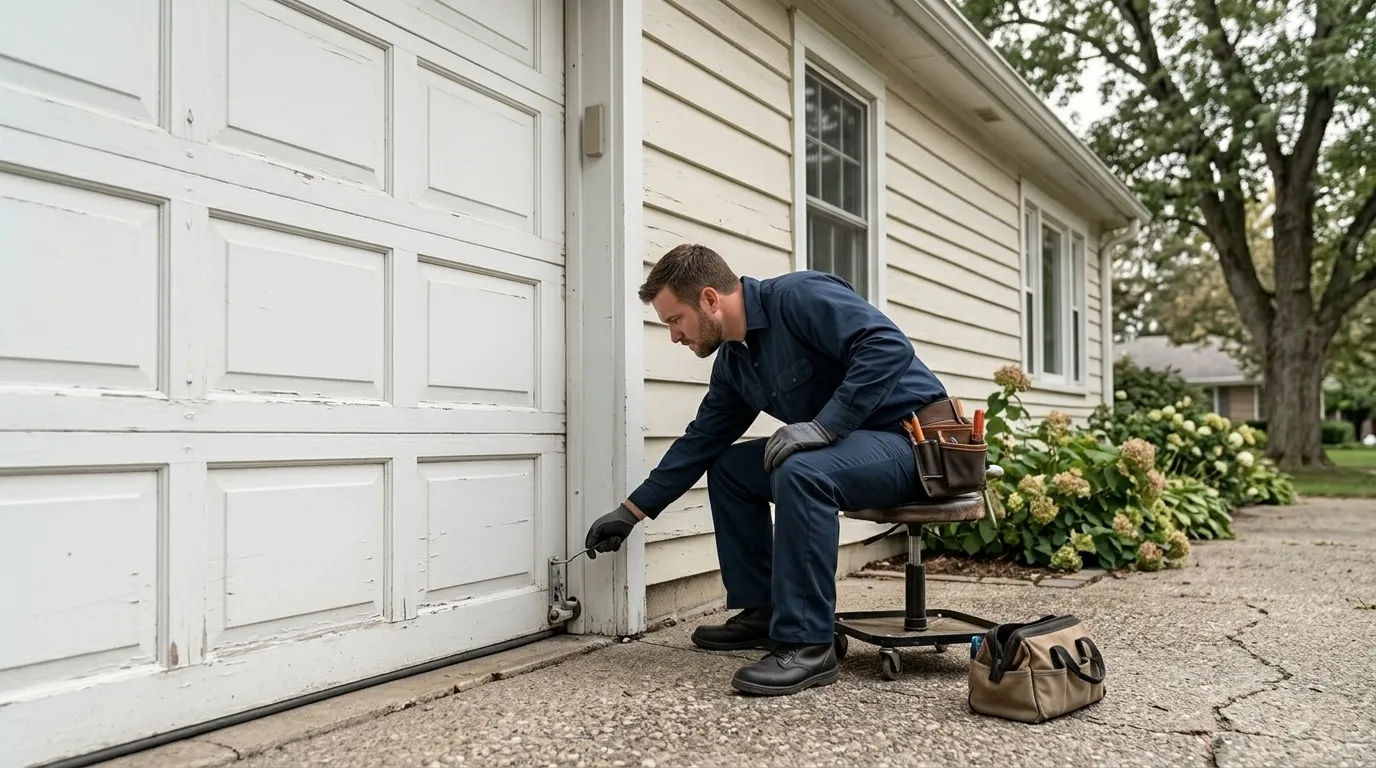
In the older pockets near Riverwest and Old North Milwaukee, we still find doors with no bottom seal at all, which turns into a frozen-to-the-slab call the first hard cold snap. Newer construction toward Mequon or Germantown behaves differently, with steel doors and factory torsion springs that fail less often but harder when they do. Either way, the fix depends on what decade your garage actually belongs to, not a generic parts kit.
Pricing, and What Drives It
We don't quote a flat number for every job because the age spread in this area is too wide for that to mean anything. A spring swap on a 1970s single door with standard hardware is a different job than the same repair on a house near Fox Point or River Hills with a heavier custom door and non-standard torsion tube. What we can tell you is that the households we serve in this market carry a median income around $102,000, and most of the calls we get aren't emergency-priced panic jobs, they're planned repairs on doors that have another decade of life in them if the springs and cables get replaced before something worse breaks.
We'll tell you on-site whether a repair is worth doing versus whether the door itself has reached the end of its run. We won't sell you a new opener when a $30 sensor realignment fixes the problem, and we won't sell you a new spring set if the drum and bearing plate are what's actually shot. That's a harder conversation than just quoting the job, but it's the one that keeps you from paying twice.
The Area and Its Housing
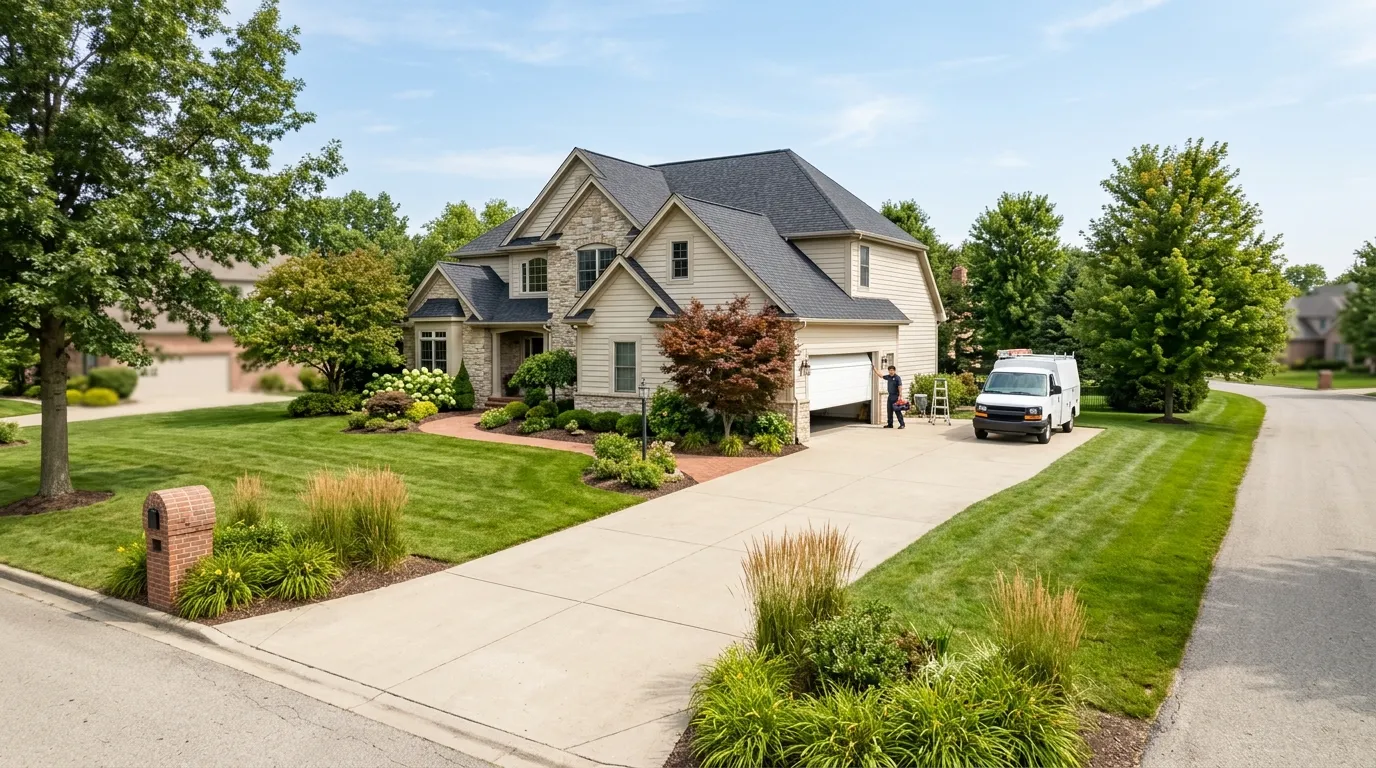
We work a service area with roughly 204,376 households and about 100,460 owner-occupied houses, which is a big enough spread that no two garages behave the same way. Close in, places like Westown, Juneau Town, and the Historic Third Ward have a mix of converted carriage houses and mid-century single garages squeezed onto narrow lots. Move a few miles out to Shorewood, Glendale, or Whitefish Bay and you get more of the 1960s-70s stock with standard two-car openings and torsion springs mounted overhead the way builders did it back then.
Farther out toward Mequon, Cedarburg, or Grafton, houses skew newer, and the doors are heavier insulated steel units that need higher-cycle springs to lift them without straining the opener motor. We also cover the inner neighborhoods, Riverwest, Harambee, Silver Spring, Northpoint, where a lot of the original hardware from the 1938-2000 build window is still in place and due for replacement whether or not it's failed yet. Knowing which decade built your street changes what we bring on the truck before we ever ring the doorbell.
Who Does the Work
The people who show up at your door are the same people who diagnose the job, not a call center reading a script and a subcontractor showing up later. We don't have a large enough fleet to promise same-hour service everywhere in a service area this size, and we'd rather say that plainly than overpromise and show up late.
What we do have is familiarity with the specific hardware that shows up on 1960s and '70s builds across this area, which is most of what we see. If your door is a newer high-cycle system from a build closer to 2000, that's a different repair kit and a different spring calculation, and we bring both because we don't know which one it'll be until we're standing in front of it.
What Happens When You Call
Tell us the neighborhood and roughly what the door is doing, whether it's a spring that let go, an opener that hums but doesn't move the door, or a track that's pulled loose from the wall. We ask because a call from Avenues West with a narrow lot garage gets a different truck kit than a call from out near Elm Grove with a wider two-car door. We'll give you a real window for when someone can get there, not a vague half-day promise.
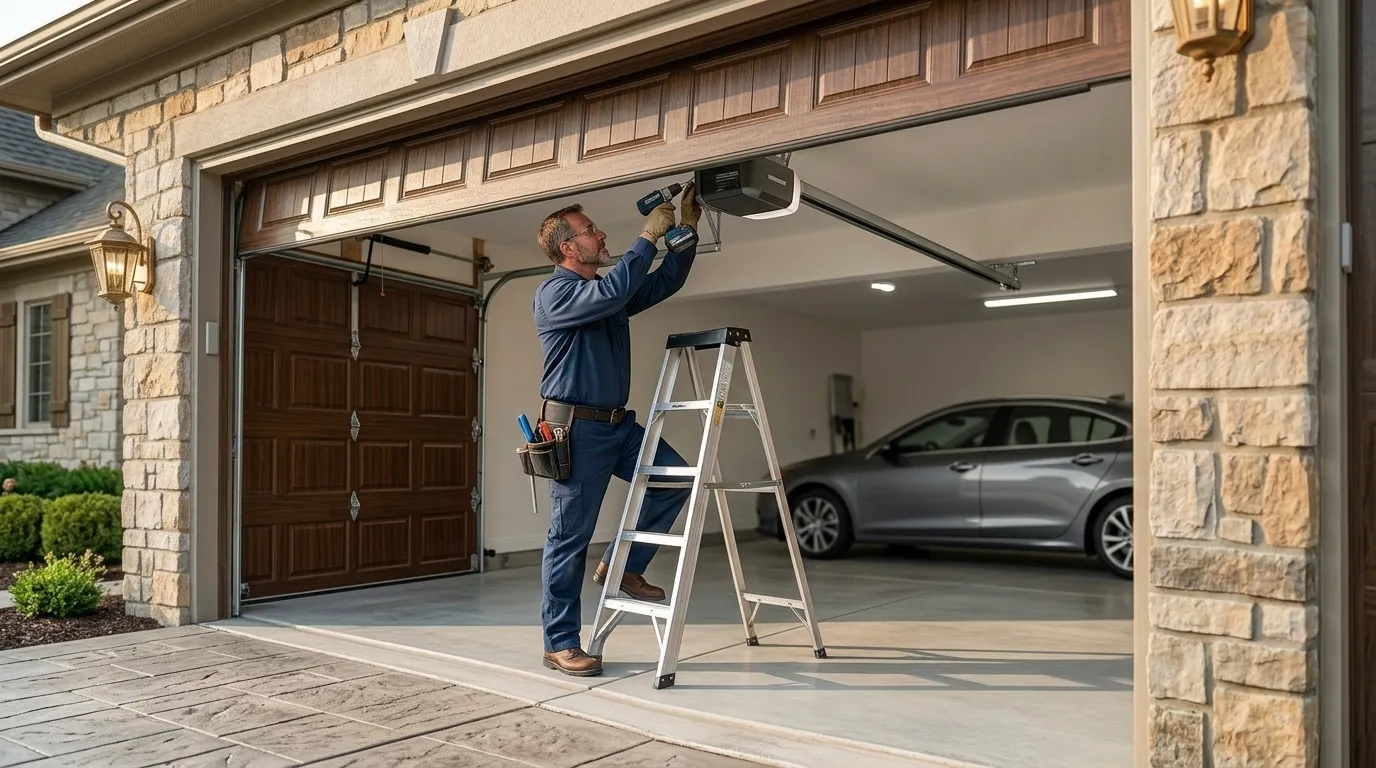
On site, we'll open the door up, show you what's actually worn versus what's still good, and give you the option to fix what's broken or replace the door if the springs, tracks, and panel are all past the point where patching makes sense. We don't push replacement as the default. Most of what we see on the older housing stock in this area is a repair job, not a demo job.
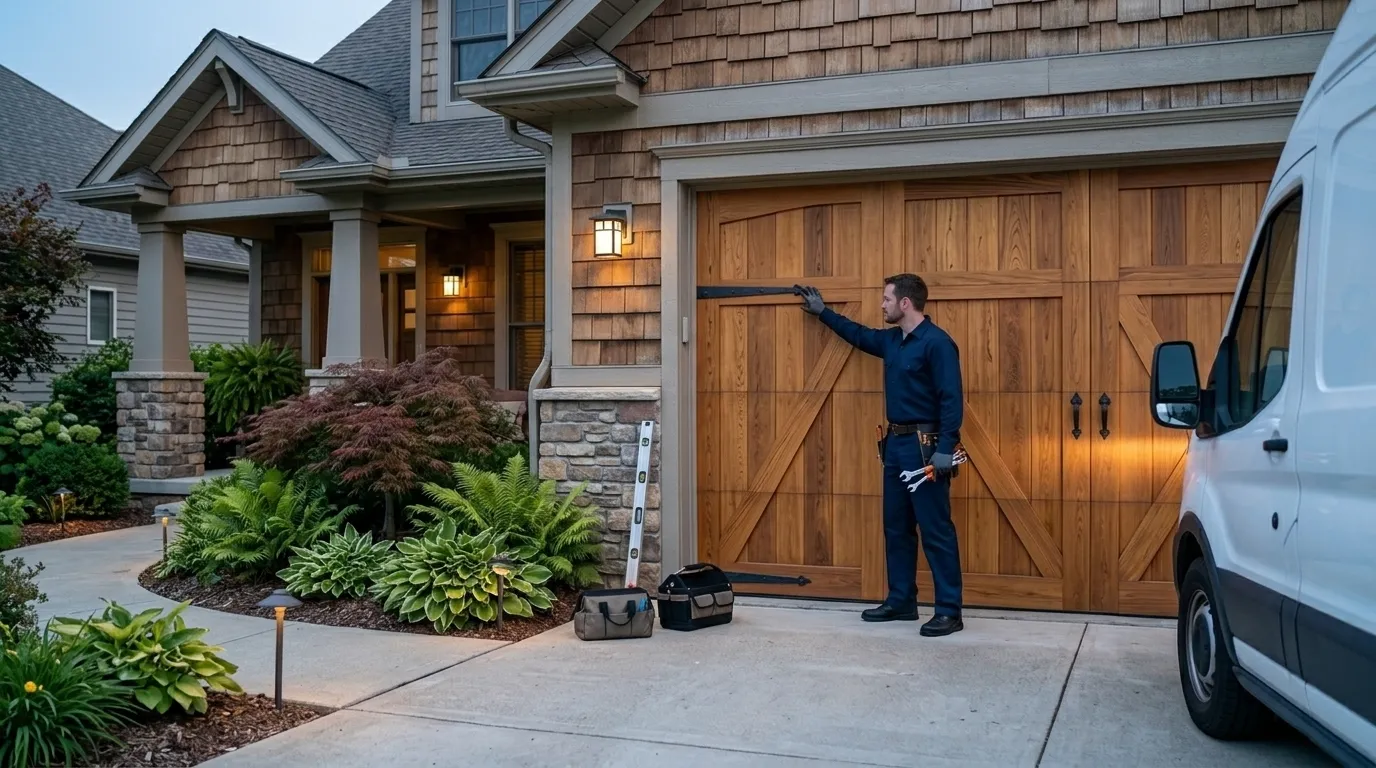
Recent Work Around Milwaukee
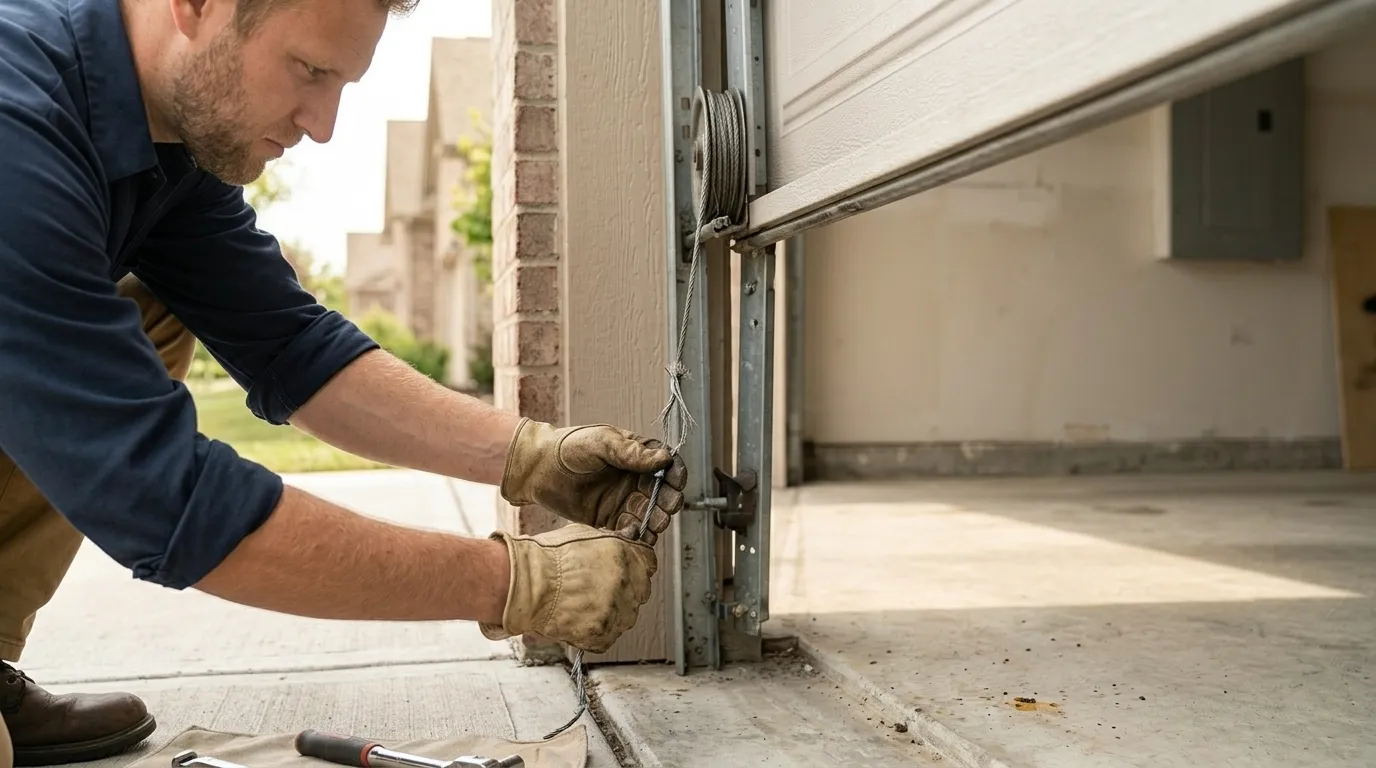
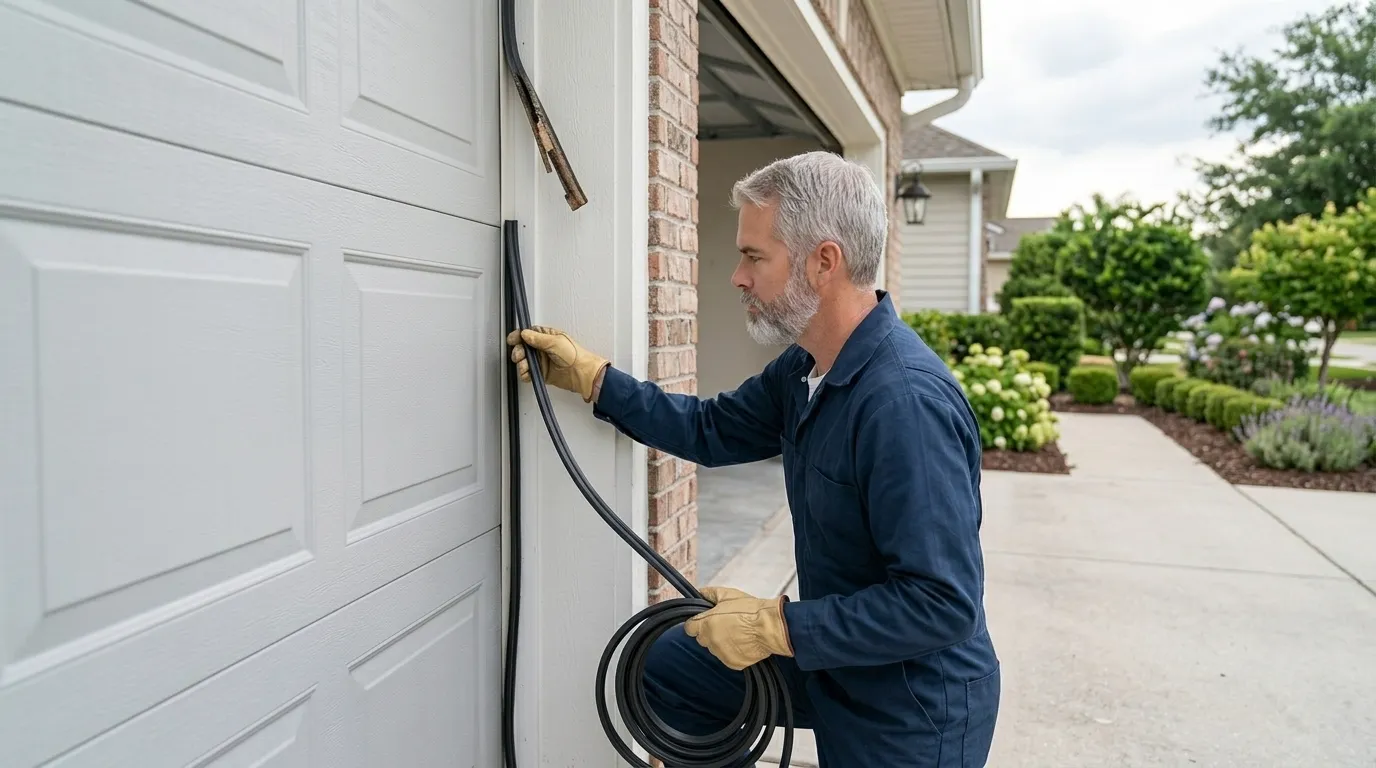
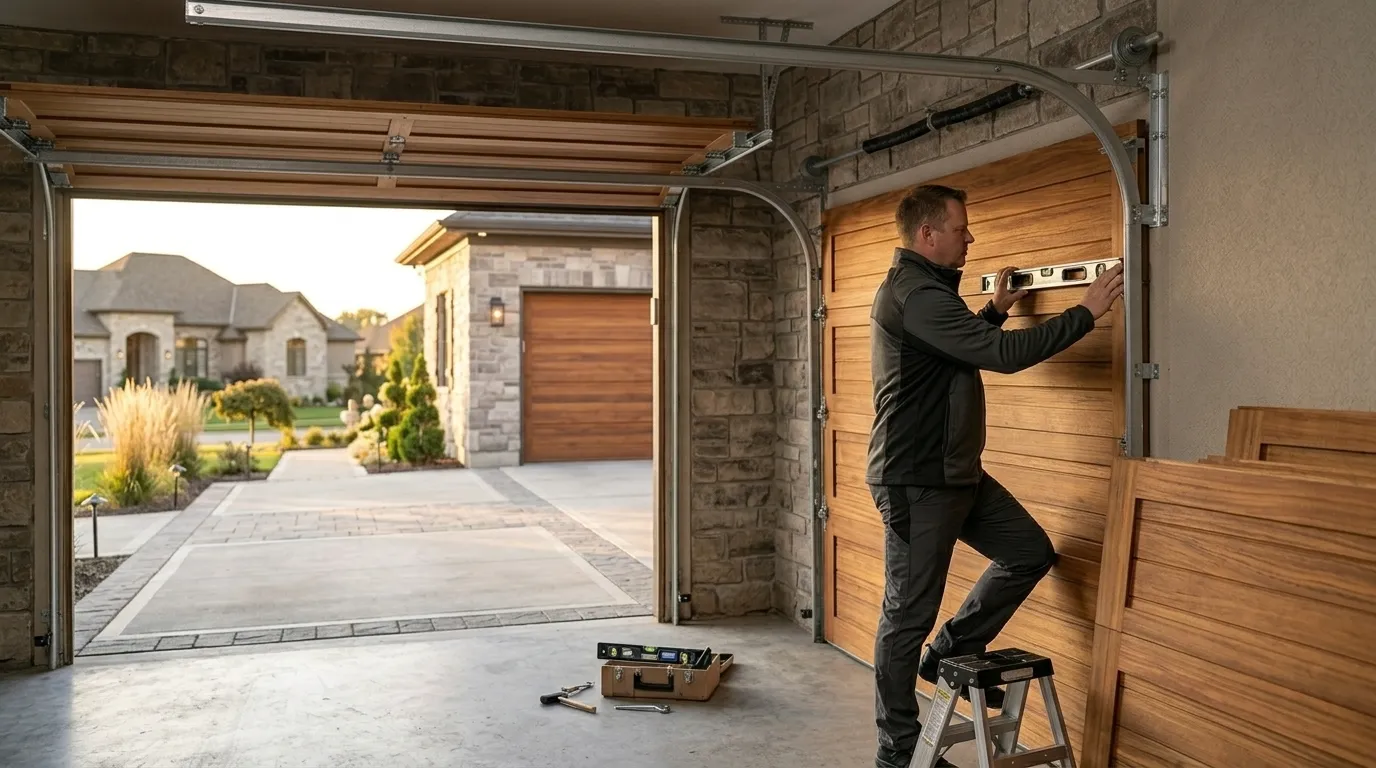
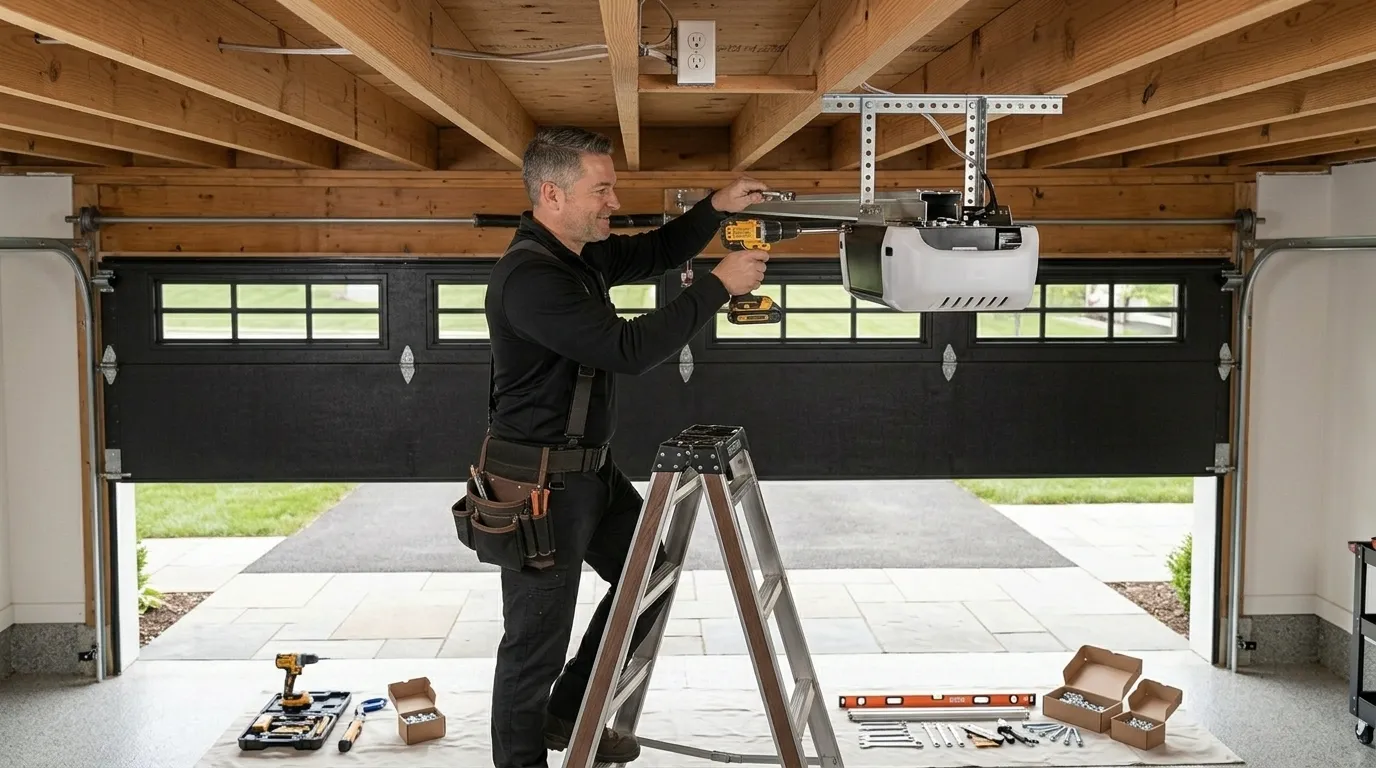
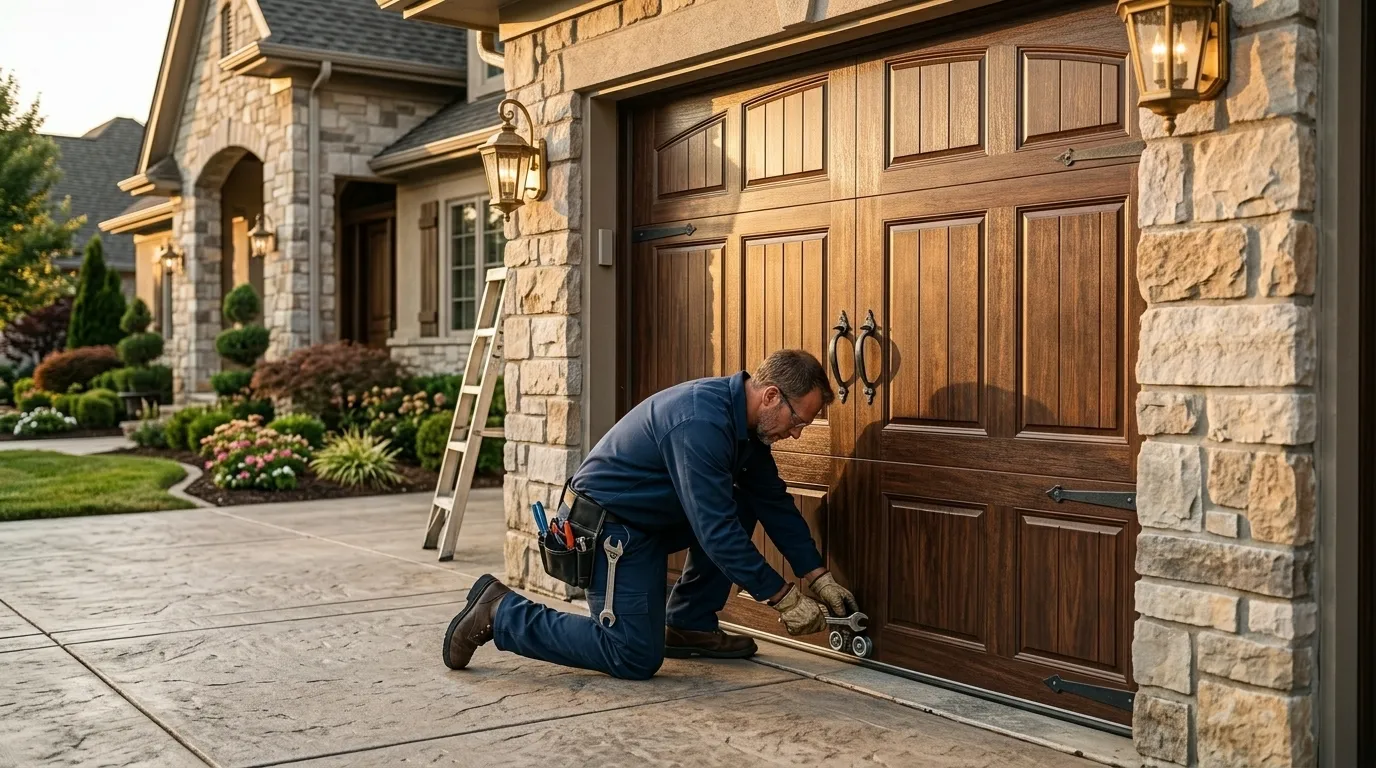
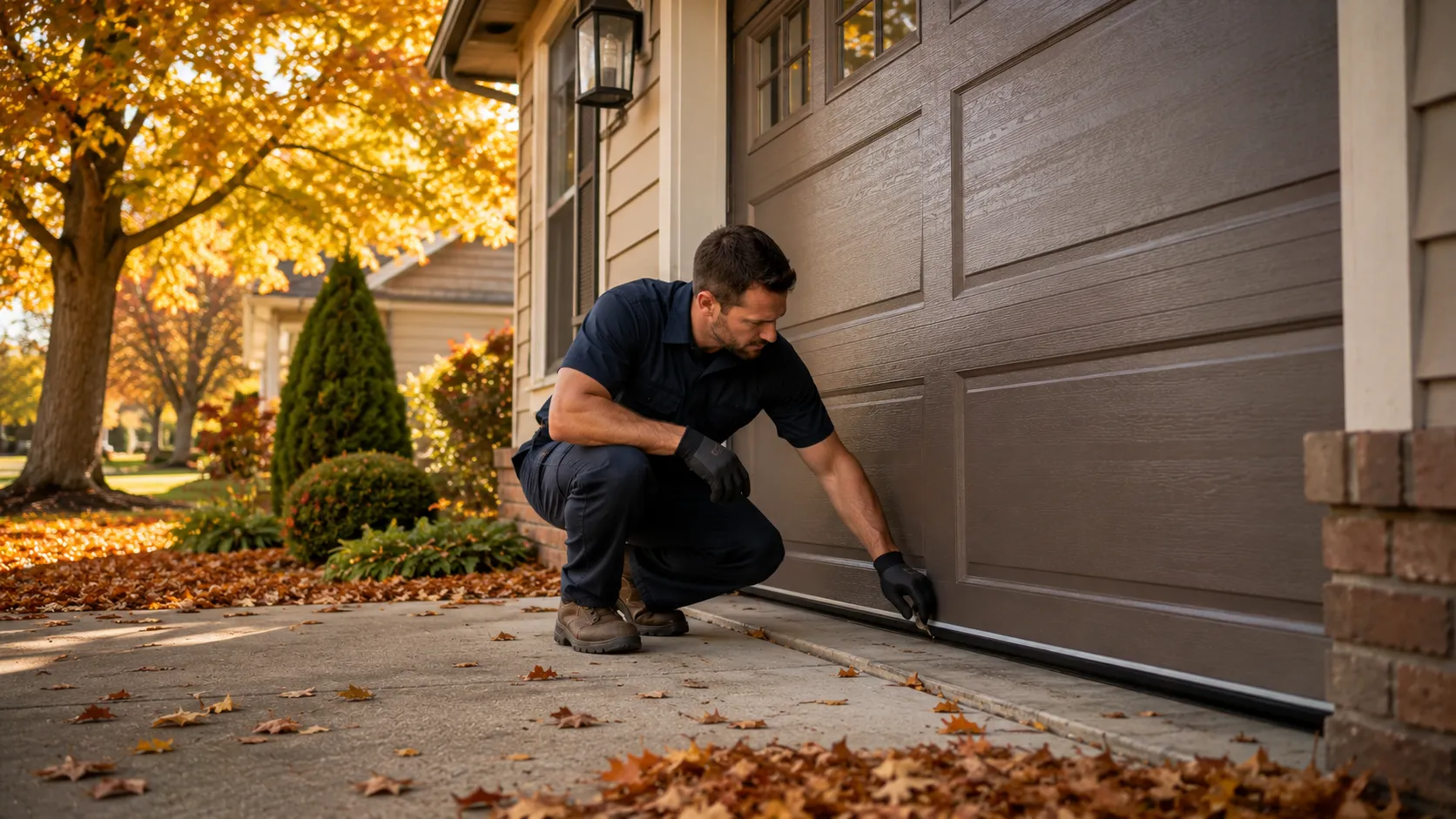
A look at the doors, springs, and openers our crew has been on lately.
Areas We Serve
Frequently Asked Questions
Why do garage doors in Milwaukee break more in winter?
The cold band here is severe, and steel hardware contracts in ways that stress old cables and torsion springs, especially on houses built in the 1960s and '70s where the original hardware is still in place. Nylon rollers also go brittle and crack in sustained cold, which is one of the more common winter calls we get.
Do you work in neighborhoods outside Milwaukee proper?
Yes. We cover areas out to roughly 18 miles including Wauwatosa, Shorewood, Whitefish Bay, Mequon, and Cedarburg, along with inner neighborhoods like Riverwest, Harambee, and the Historic Third Ward. The hardware and door age vary a lot across that range, which affects the repair.
How do I know if my door needs replacing instead of repair?
If the springs, tracks, and panels are all worn together, usually on a door original to a house built well before 2000, replacement often costs less over time than a string of individual repairs. We'll show you the wear on-site and give you both options rather than defaulting to either one.
Ready to Get Your Door Fixed Right?
Call now or request a quote online, and we will tell you straight what your door needs.