
Milwaukee, WI
Service
Garage Door Spring Repair Across Milwaukee
Broken torsion or extension springs on Milwaukee's 1938-2000 housing stock, explained by a crew that works the whole metro from Shorewood to Franklin.
- Licensed & Insured
- Same-Area Service Calls
- Upfront Pricing
What Happens When You Call
-
1
Call or Request a Quote
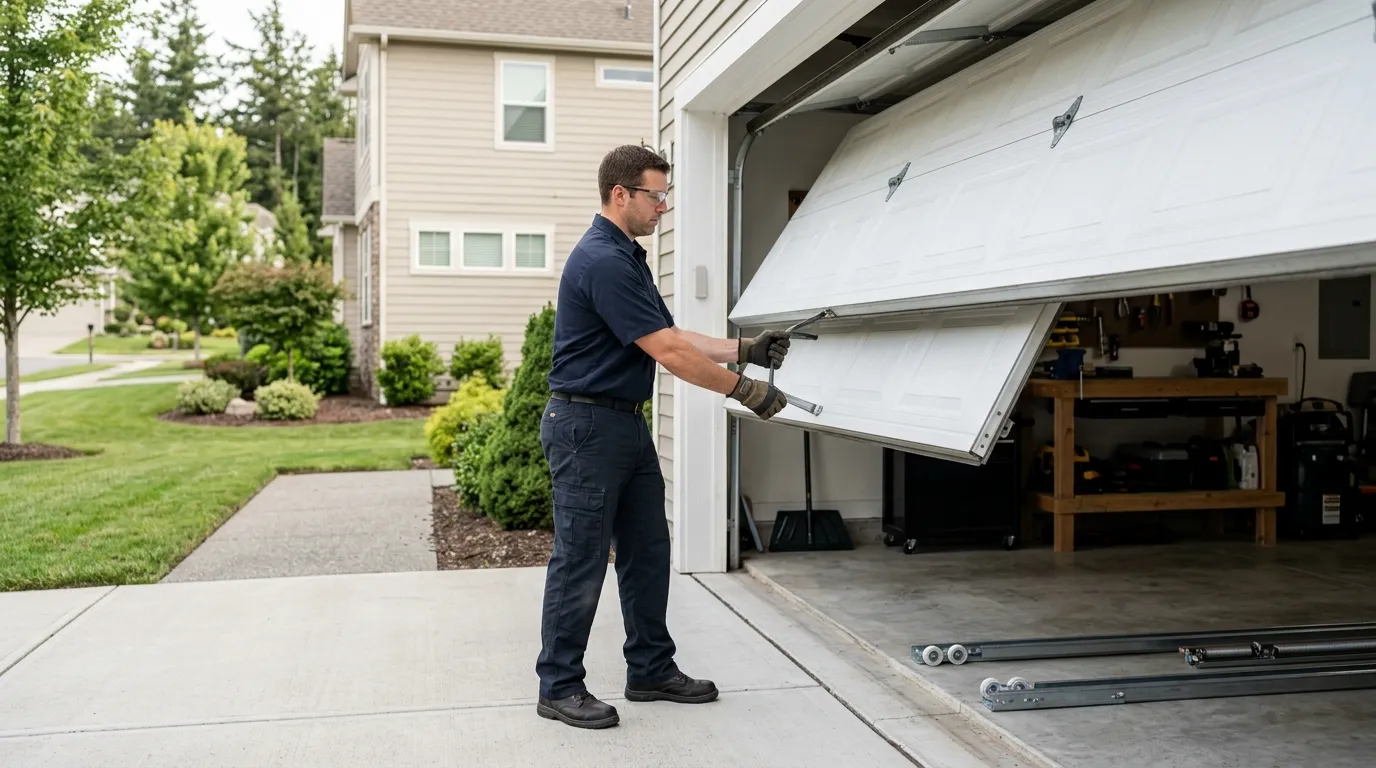
Tell us what the door is doing and roughly how old the house is - that alone points us toward the likely part before a truck leaves.
-
2
On-Site Diagnosis
A tech checks the spring, cables, tracks, and opener in person and tells you plainly what is actually wrong.
-
3
Straight Price, No Surprises
You get a number before any work starts. It covers parts and labor, nothing added after the fact.
-
4
Fixed the Same Visit
Most repairs are done in one trip. If a part needs sourcing, we tell you that upfront instead of guessing.
Parts We Carry
Most of the springs we pull off Milwaukee doors are torsion springs mounted above the door on a shaft, not the side-mounted extension springs you'll still find on older detached garages. That split matters because the two systems don't share parts. A house built in the 1950s or 60s original garage might still have its first-generation hardware, while anything remodeled since has almost certainly been converted to torsion.
We stock standard torsion springs in the wire sizes and lengths that cover the bulk of single and double doors built across this area's housing stock, plus the drums, cables, and center bearing plates that usually go bad alongside a spring. Extension spring sets and their pulleys are a smaller, slower-moving stock item for us since fewer houses still run them.
Here's the honest limit: if your door uses a spring size or a bracket pattern we don't carry on the truck - which happens more with older or oddball garages - that part gets special-ordered, and the job becomes a two-visit repair instead of one. We'd rather tell you that up front than pretend every spring is a same-day fix.
What You Pay
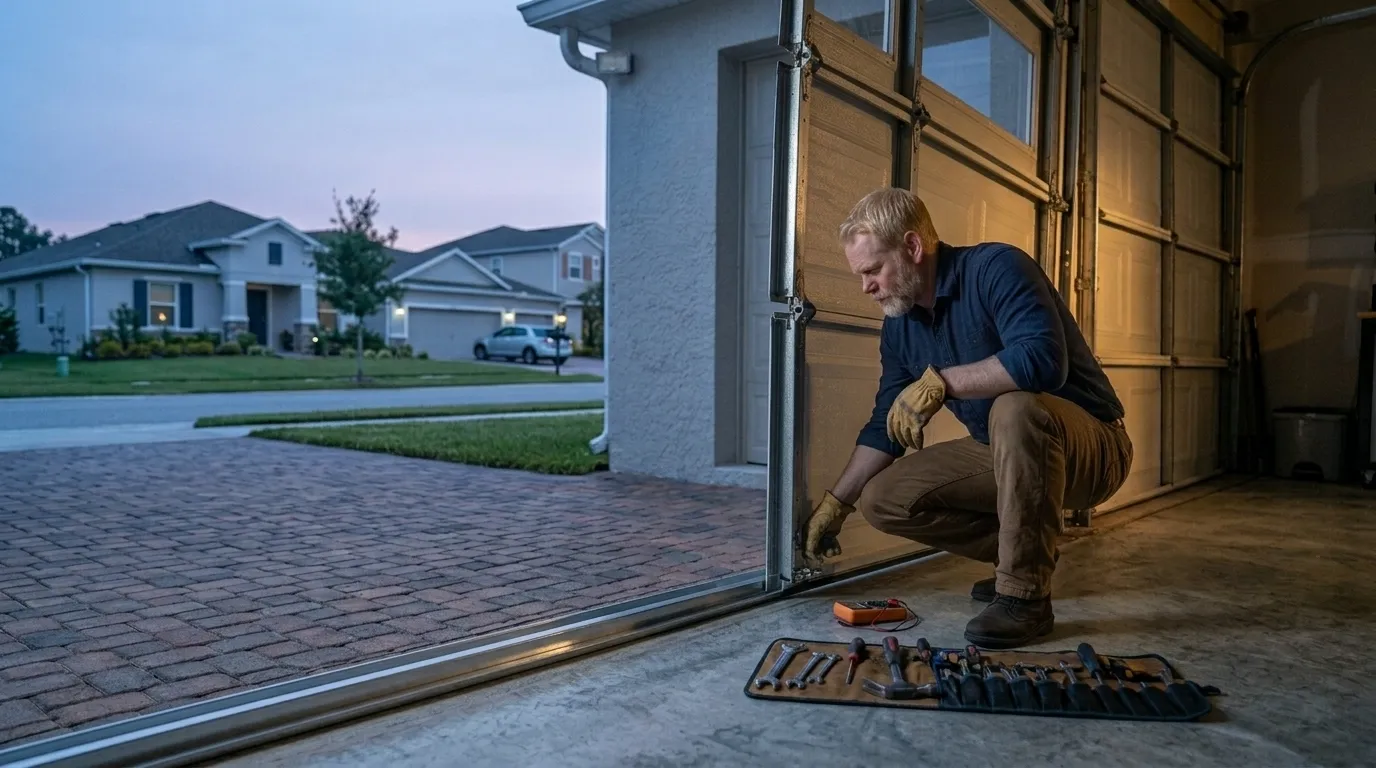
What a spring job costs comes down to a few things we can actually name: whether you need one spring or two (doubles usually get replaced in pairs even if only one broke, since the other is on the same clock), whether the drums or cables are worn enough to swap at the same time, and whether your door is torsion or the older extension style.
We don't post a flat number because a single 8-foot residential door and a heavier double-car door with a jackshaft opener aren't the same job, and a house with the original 1970s track and hinges usually needs more than just the spring to run right afterward. What we can tell you is that the spring itself is rarely the expensive part - it's whatever else the years of use have worn out around it.
Given the median household income across this service area sits above six figures, most owners we work with treat a spring repair as routine maintenance rather than a crisis purchase, which is the right way to think about it. A broken spring isn't a sign your door is failing. It's a sign a spring did its job for as long as it was built to.
How It Shows Up
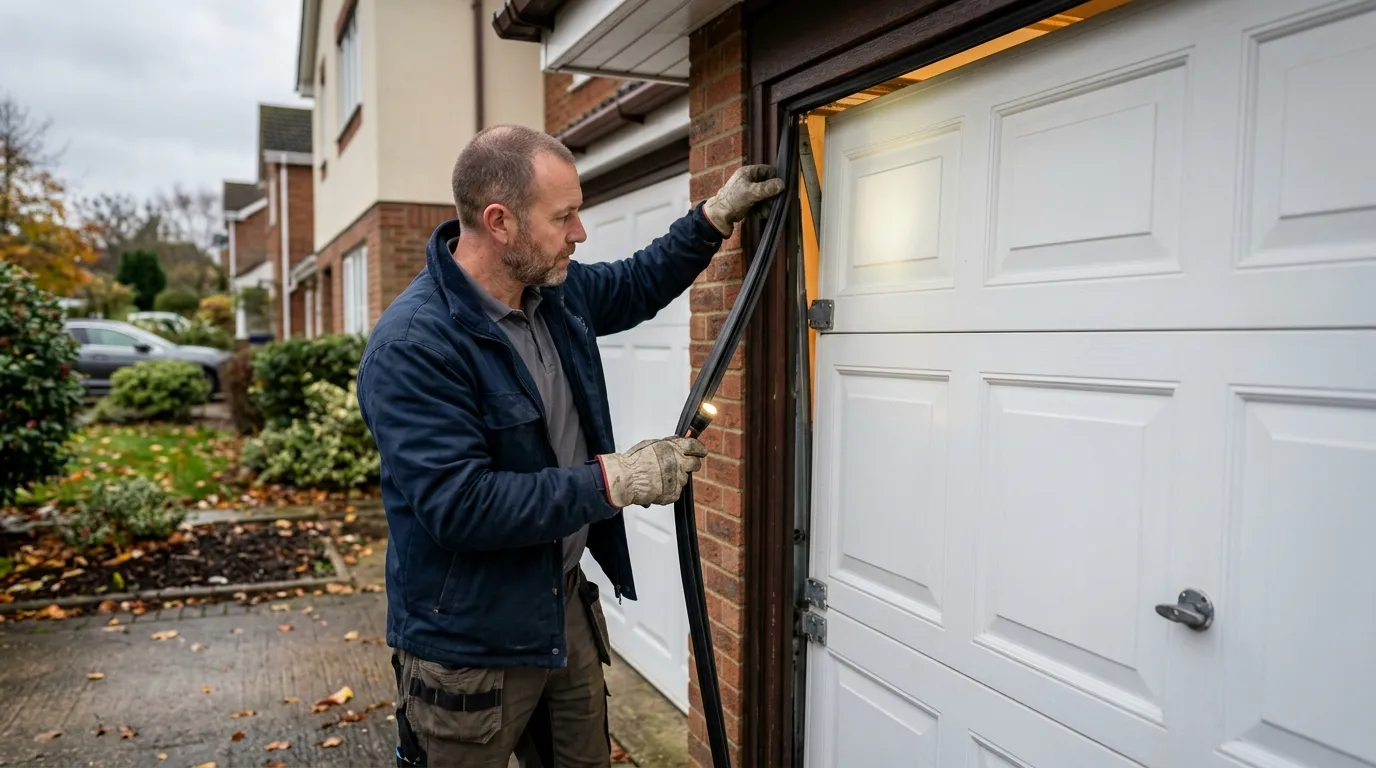
The classic sign is a door that won't budge, or one that slams down instead of lowering on its own weight, with a loud bang from the garage right before it happens. Sometimes it's less dramatic - the opener strains, grinds, or reverses partway up because the spring is no longer doing its share of the lifting and the motor is fighting the whole weight of the door alone.
On a torsion system, look for a visible gap in the coil above the door, usually off to one side of the shaft. On the older extension-spring garages still standing in this area, the stretched spring itself will often be hanging loose along the track rather than pulled tight.
Either way, the door is dangerous to force open by hand once a spring is gone - the counterbalance is what makes a 150-plus pound door liftable in the first place, and without it that weight has nowhere to go but down, fast. If your door won't move, that's the point to stop and call rather than keep working the opener.
Why It Happens Here
Milwaukee's garage doors are old for the same reason the houses are old: this area's housing stock runs largely from 1938 to 2000, with a median build year around 1971, and the 38 named neighborhoods and suburbs we cover - from Shorewood and Wauwatosa a few miles out to Franklin and Germantown farther south and west - are mostly built out in that same 1960s-70s wave. A spring rated for a certain number of open-close cycles hits that number eventually no matter how well it's maintained, and a lot of this area's doors are working through their second or third spring since the house went up.
The other factor is the cold. This is a severe cold-climate region, and steel spring wire stiffens and gets more brittle to work through the winter months, right when doors get used the most - warming up cars, hauling snow gear in and out.
A spring that's already near the end of its cycle life is far more likely to give out on a cold morning than a mild one. We see the pattern repeat across the whole metro every winter, not just in one part of town.
Talk to a Technician Before You Book
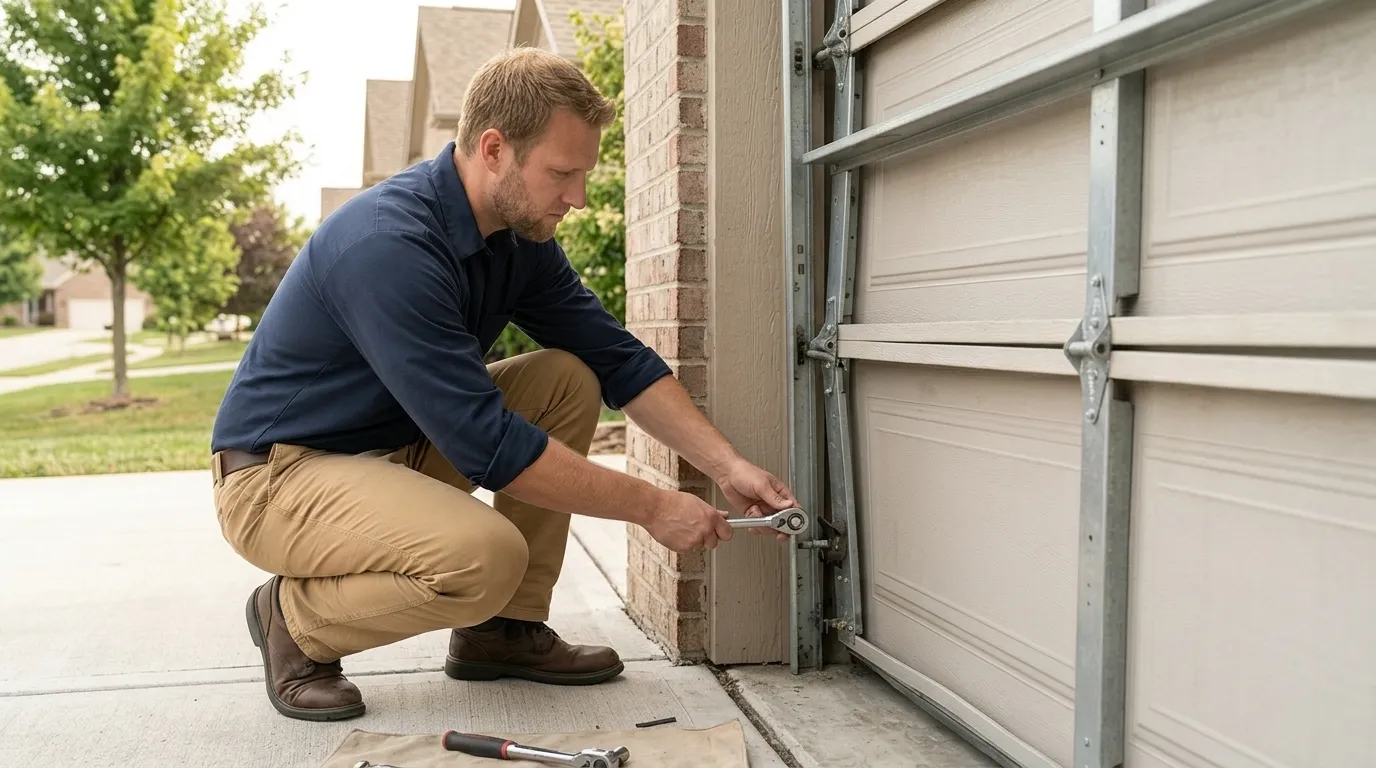
Describe what the door is doing and get a straight answer on what it likely needs.
Jobs Like Yours
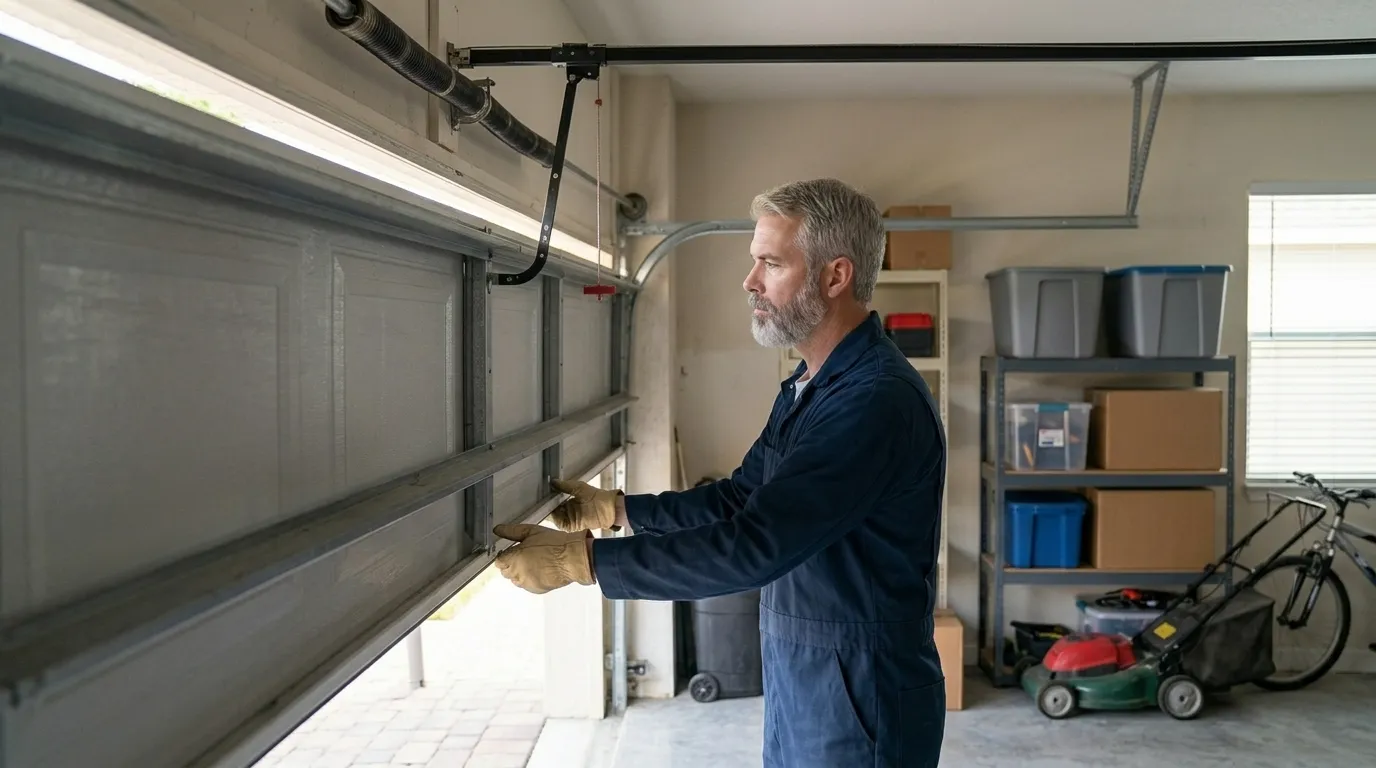
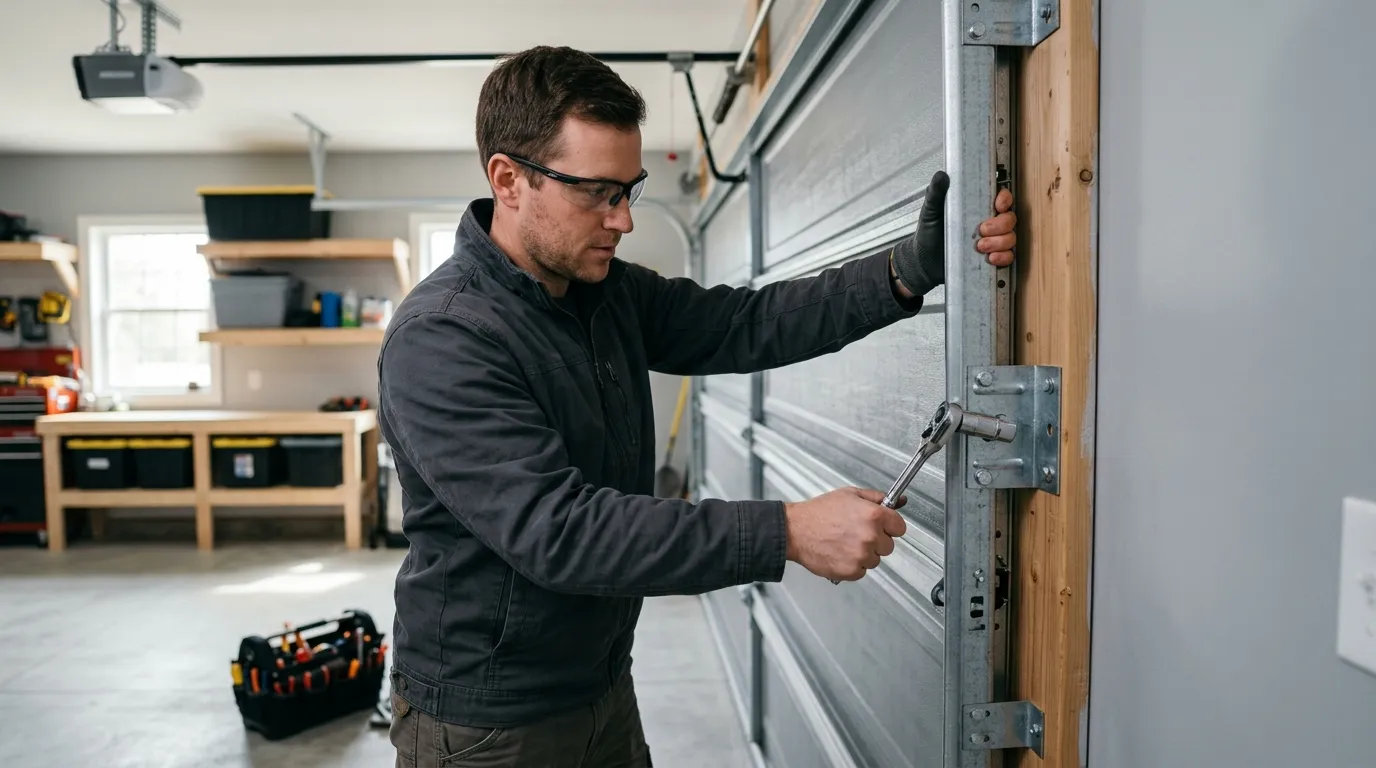
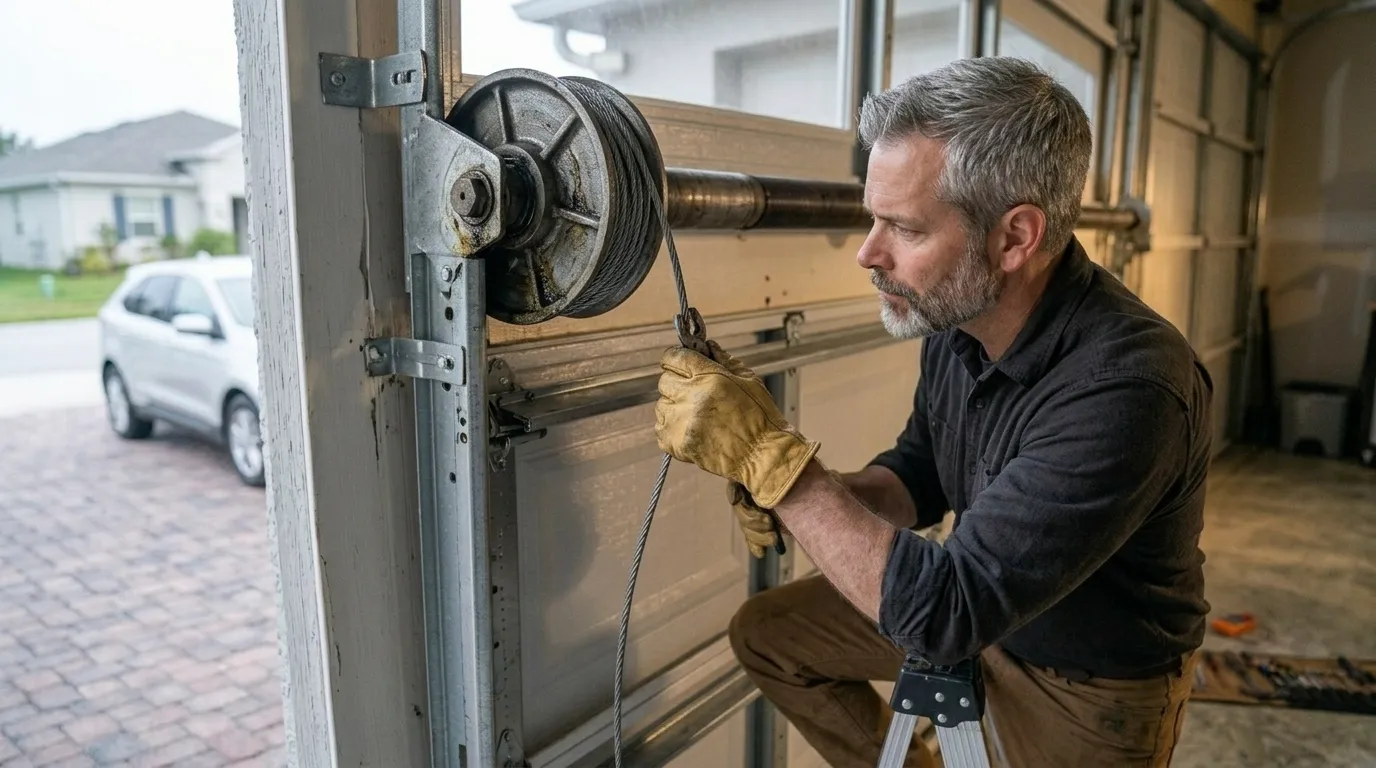
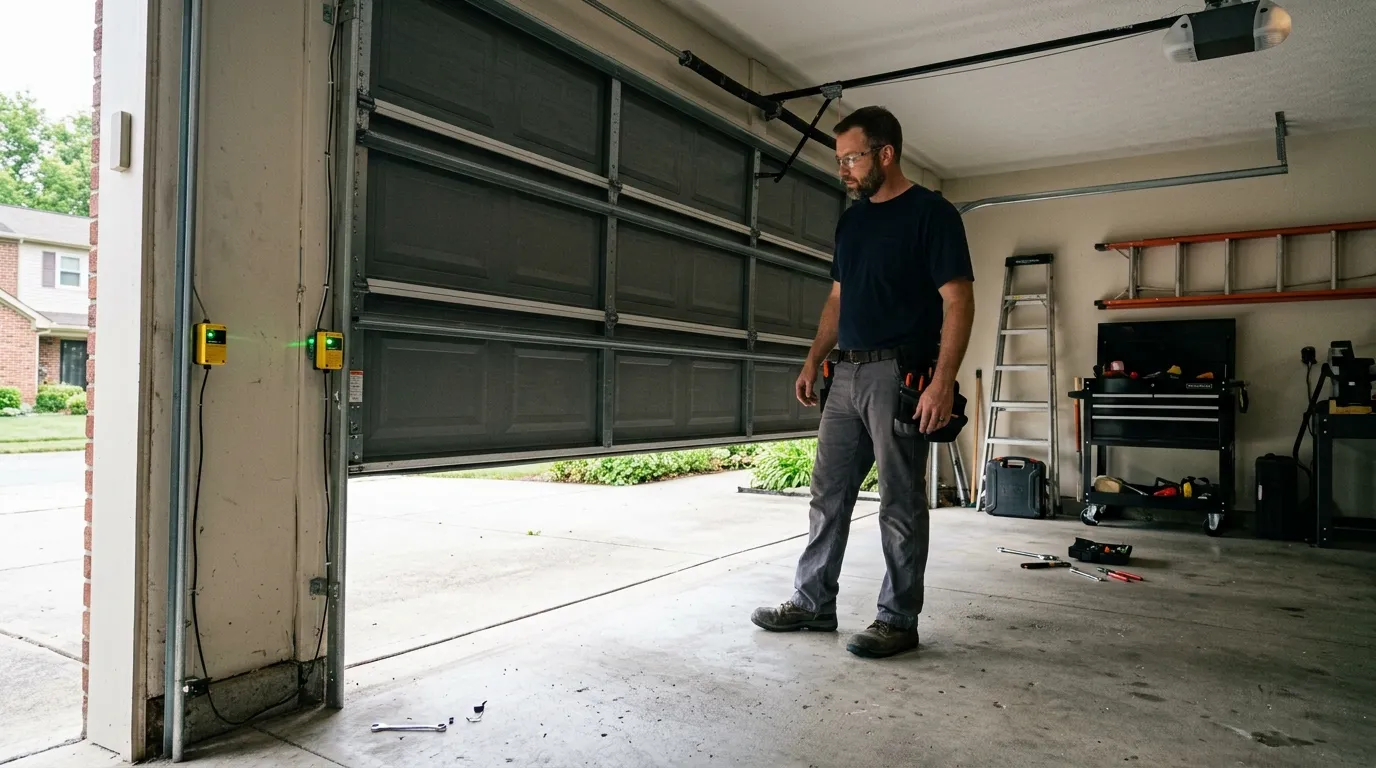
Recent work from this service line.
Why Milwaukee Calls Us
Frequently Asked Questions
Can I replace a garage door spring myself?
We'd advise against it. Torsion springs are under heavy tension and the winding bars needed to safely wind or unwind them aren't something most homeowners have on hand. Extension springs are less dangerous but still under load. This is one of the few garage door jobs where the safety margin for doing it yourself is genuinely thin.
Why did both springs break around the same time?
On a double-spring torsion setup, both springs are usually installed together and carry roughly the same number of open-close cycles. When one gives out from age or metal fatigue, the other is typically close behind, so replacing both at once is standard practice rather than an upsell.
Does cold weather actually cause springs to break?
Cold doesn't cause the failure by itself, but it's often the trigger. Steel wire gets stiffer in low temperatures, and a spring that's already near the end of its cycle life is more likely to snap on a cold morning under that added stress than it would on a mild day.
Need Garage Door Spring Repair Across Milwaukee?
Call now for straight answers on cost and timing.