
Milwaukee, WI
Milwaukee Garage Door Guide
The Garage Door Your 1960s Milwaukee House Was Built With
Milwaukee's housing stock runs 1938-2000, most of it 1960s-70s, built before insulation codes caught up with garage doors. Here's what that means for your door.
- Licensed & Insured
- Same-Area Service Calls
- Upfront Pricing
Leaving It Alone
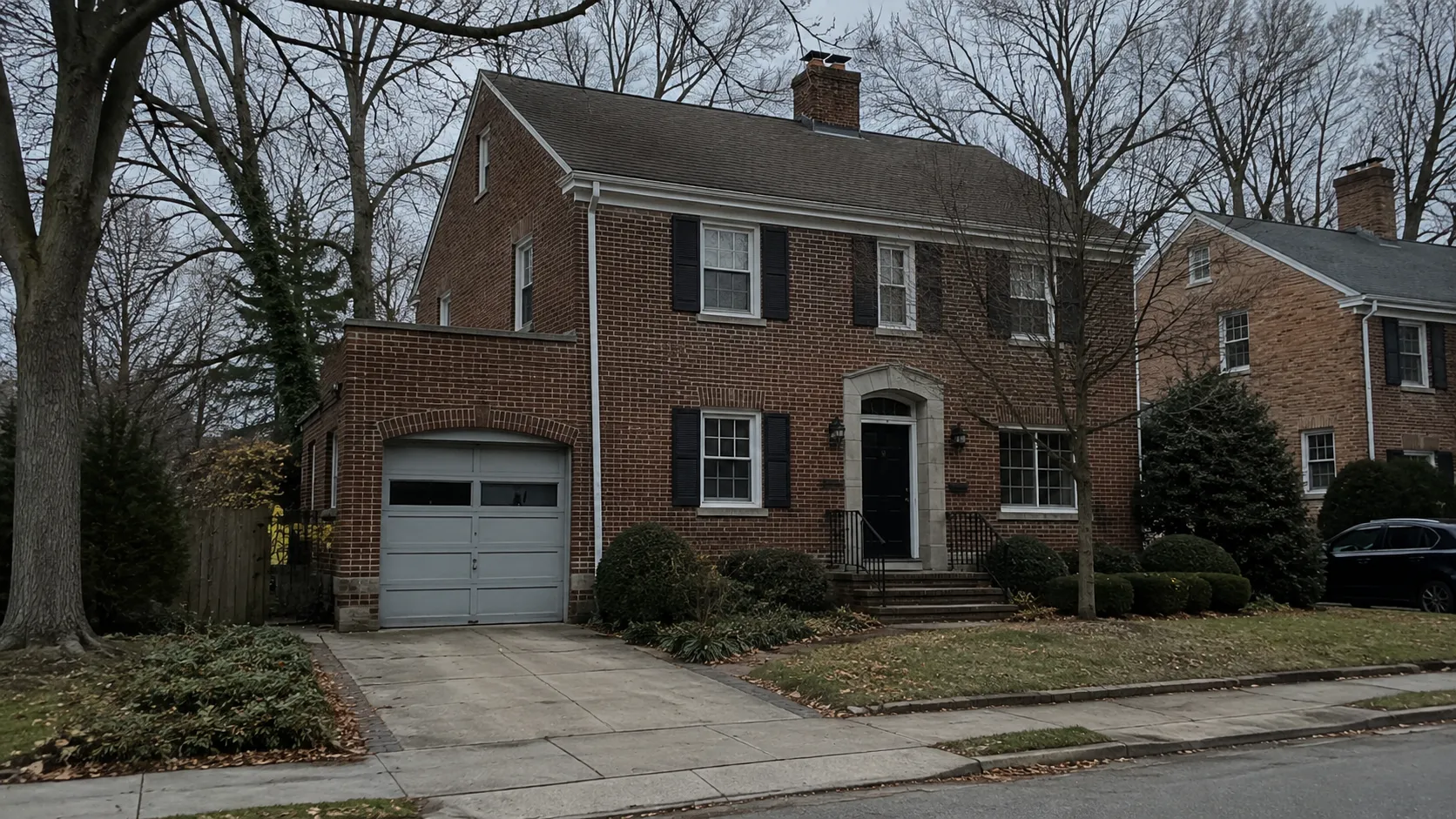
Most of the houses we get calls on in this city went up between 1938 and 2000, with the bulk of that stock dating to the 1960s and 70s across the named neighborhoods and suburbs in this service area. A door from that era, if it's still the original, was never built to hold heat. It's a single layer of steel or a slab of wood, no foam core, no thermal break at the seams.
If yours still opens and closes without binding, without the opener straining, and the panels aren't rusted through at the bottom, there's a real argument for leaving it alone. Swapping an old door for the sake of swapping it isn't a job we push. A door that still does its mechanical job - up, down, seals reasonably at the floor - doesn't need to become a project just because it's fifty years old.
Where it matters is the insulation, and that's a separate question from whether the door works. An uninsulated single-layer door on a house from this stock will move heat through it, but that's a comfort and energy question, not a failure. We'd rather tell you that up front than sell you a door your garage doesn't need.
What the Weather Here Does to It
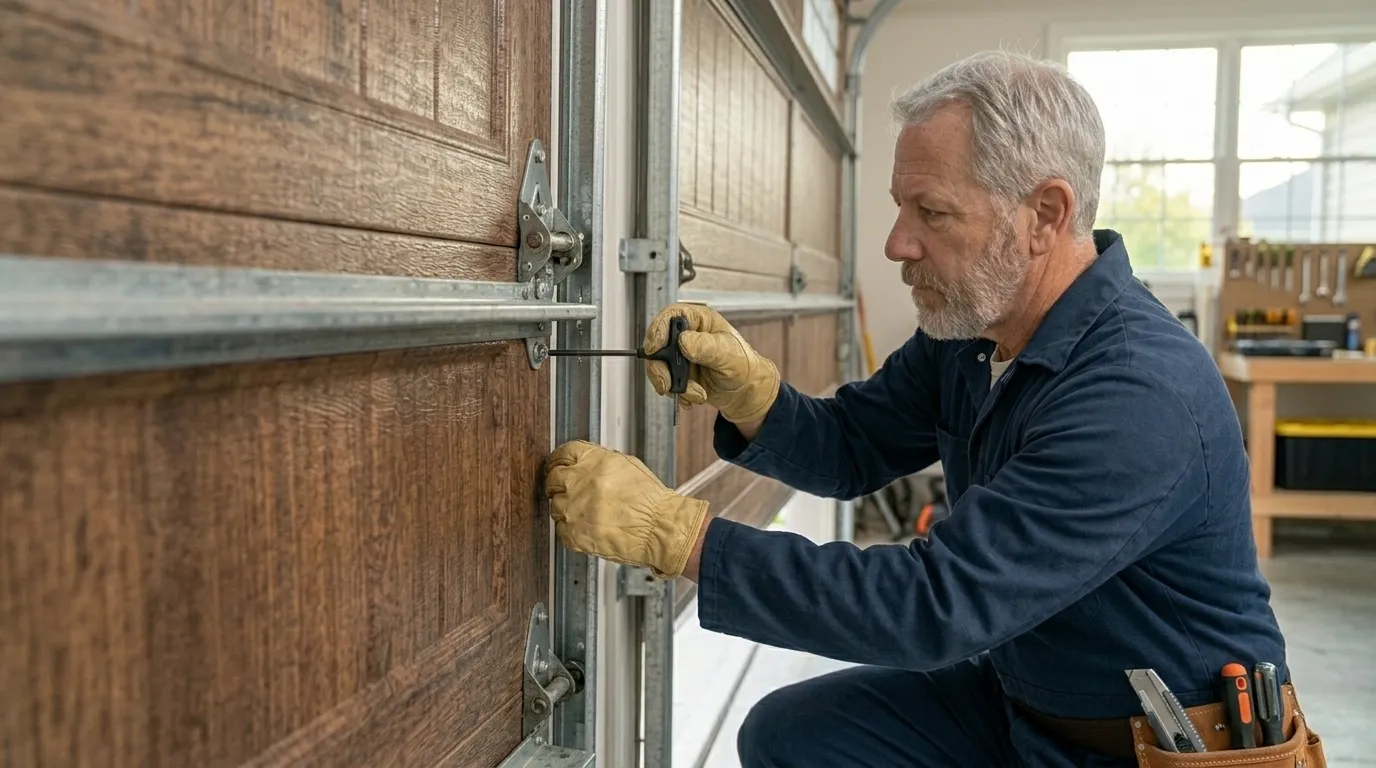
This is a cold-climate service area, and it's not a mild version of cold. That matters for a door with no thermal break, because steel contracts hard in a hard freeze. On an old single-layer panel, you'll see the metal pull slightly at the track side in deep cold, which shows up as a door that binds or drags for the first cycle of the morning and then runs fine once it's cycled a few times.
That's the steel, not the opener, and it's worse on doors from the 1960s-70s stock that never had a thermal break built into the panel edge. Condensation is the other half of it. An uninsulated door on an attached garage in this climate will sweat on the inside face when warm house air meets a cold steel panel, and over years that moisture is what takes out the bottom panel and the roller brackets before anything else does.
None of this means the door is failing. It means it's doing exactly what an uninsulated steel door does in a climate this cold, which is why insulated replacements exist at all.
The Situation
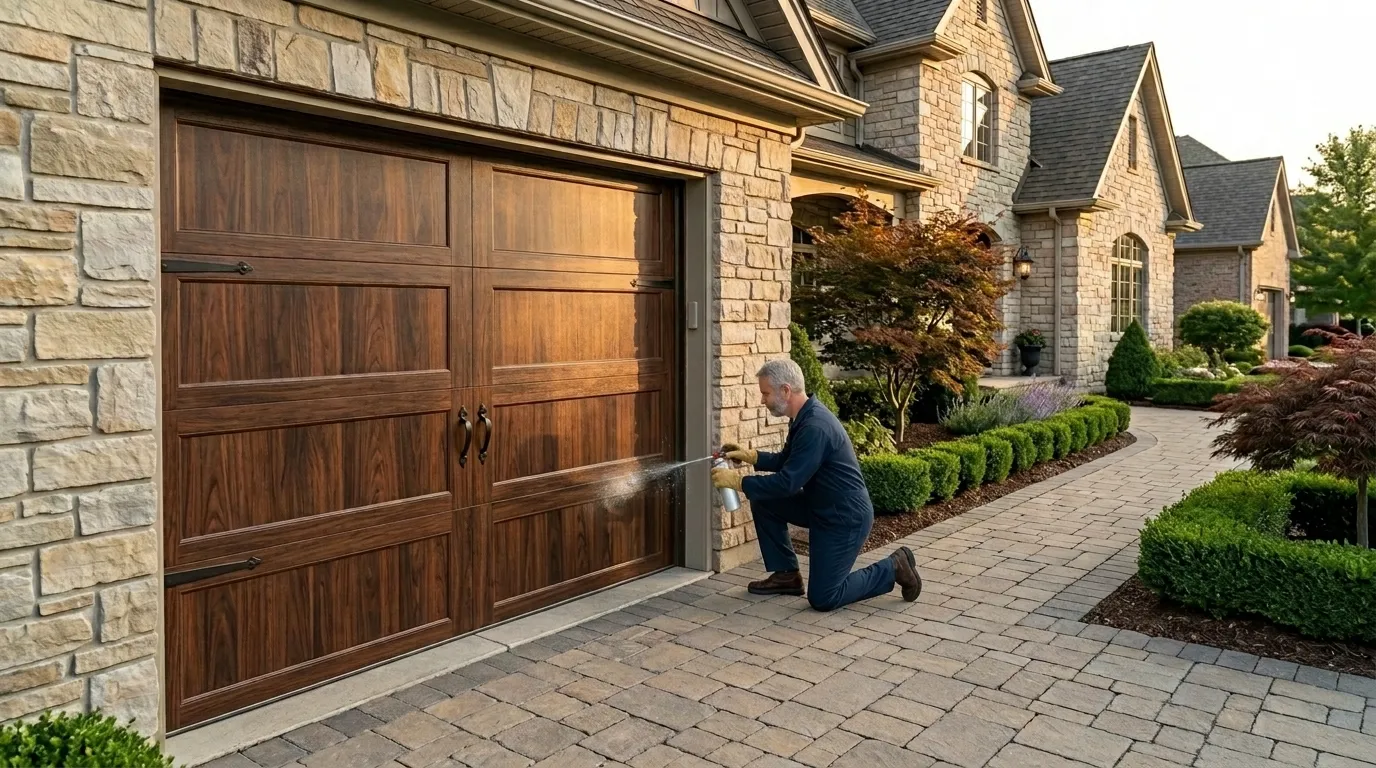
Here's the actual mismatch: doors on houses built before insulation rules were tightened were never required to meet a thermal standard, because at the time nobody was writing garage doors into energy code. Houses in this city built in that 1938-2000 window, especially the 1960s-70s majority across the 38 named areas in this service area, got whatever door was standard at the time - single skin, no insulation requirement, because the code didn't ask for one. That's not a defect in the house.
It's just what the year built means. The situation only becomes a decision point when something else on the door needs attention anyway - a spring goes, a bottom panel rusts through from years of condensation, the opener can't pull the weight of a warped panel anymore. That's the moment to ask whether you're fixing an old uninsulated door or replacing it with an insulated one, because doing both jobs separately costs more than deciding once.
What You Pay
We don't have a number to give you here that would hold up. What a repair or a replacement runs depends on the door size, whether it's a single or double, what's actually failed, and whether the opener needs work too - none of that is something we'll guess at in writing. What we can say is that the decision usually comes down to the point above: if the door still runs and just isn't insulated, that's a comfort trade-off, not a repair bill.
If something's actually broken - a spring, a panel, a track - that's the point to weigh repair against replacing with an insulated door, since you're already paying labor either way. We'd rather look at the actual door than quote a range that doesn't mean anything for your specific one.
How We Can Help
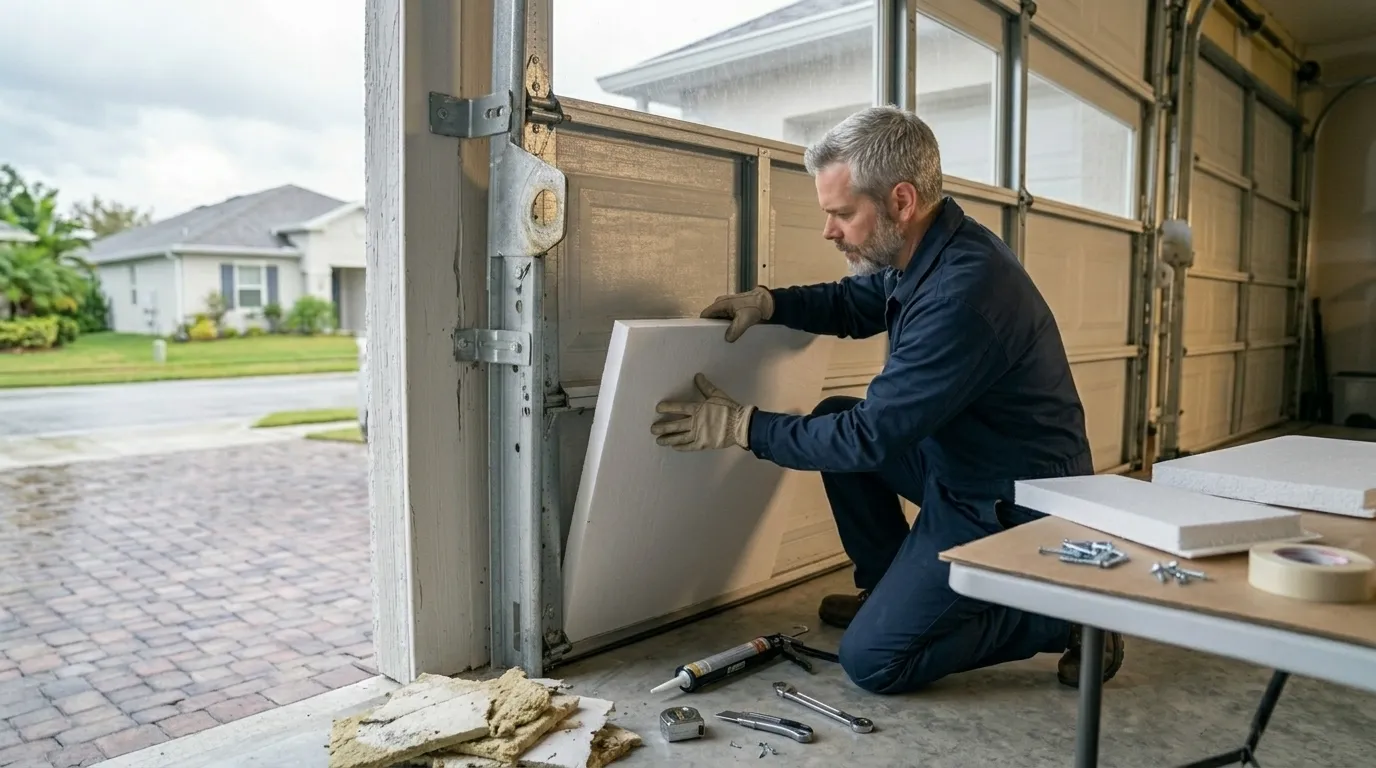
Garage Door Repair
Springs, cables, tracks, rollers, and openers fixed by a tech who explains the problem before touching anything.
Learn more →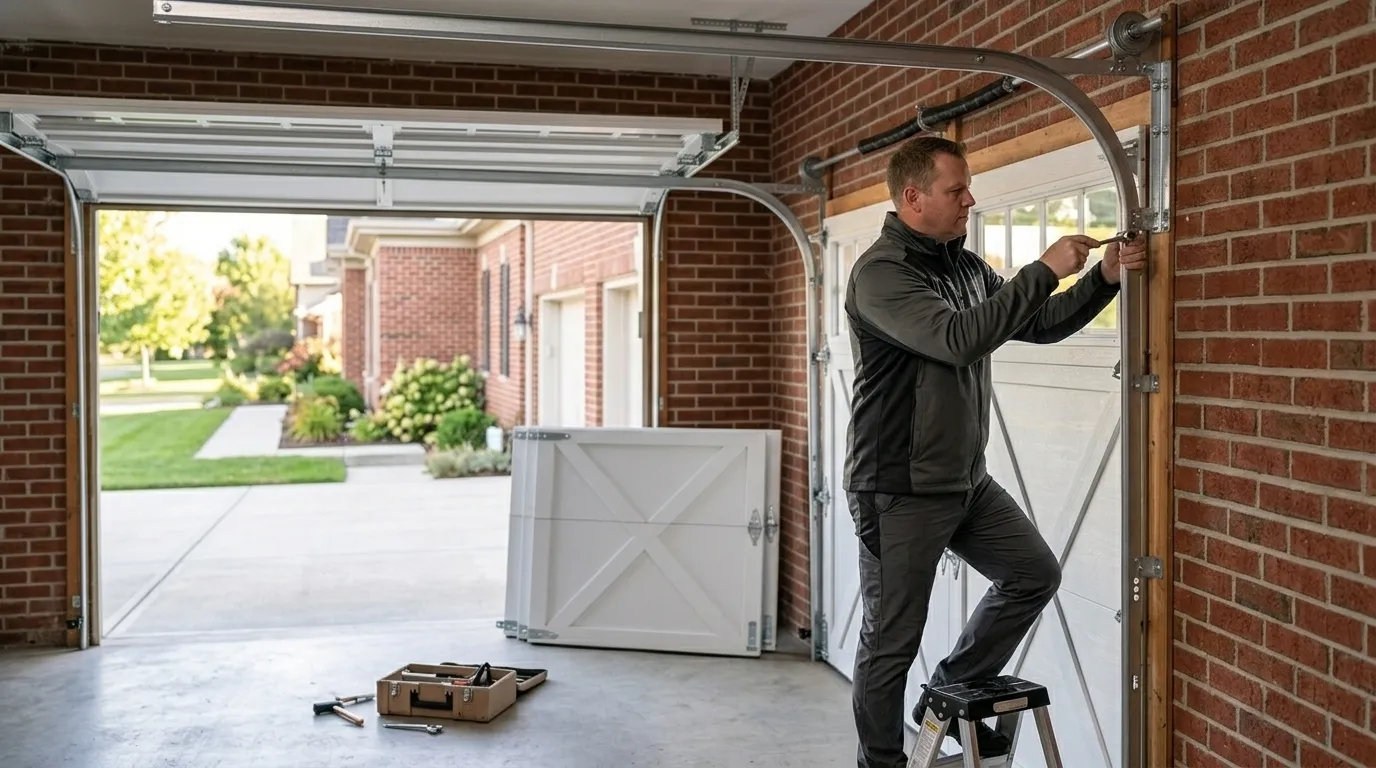
Garage Door Installation
New sectional doors sized and installed for the housing stock actually built in this area.
Learn more →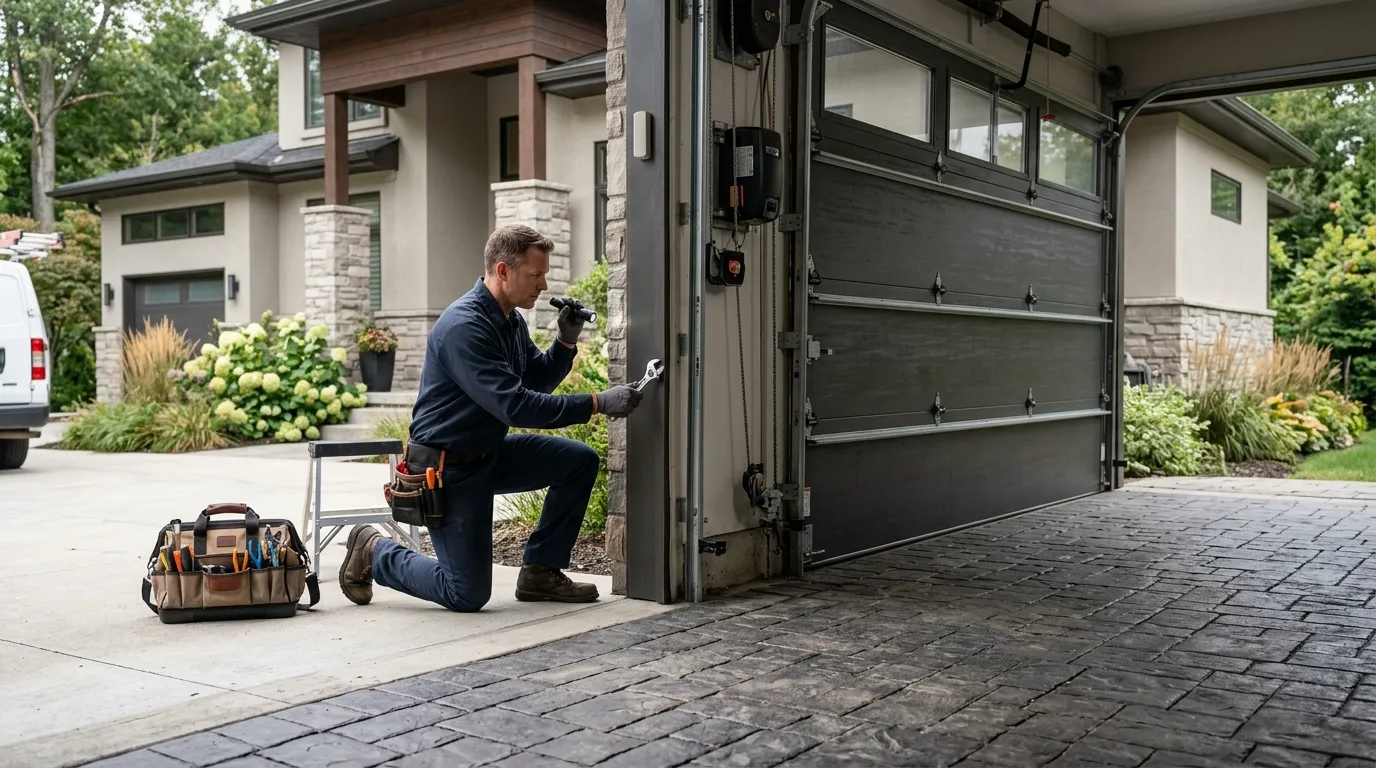
Garage Door Service
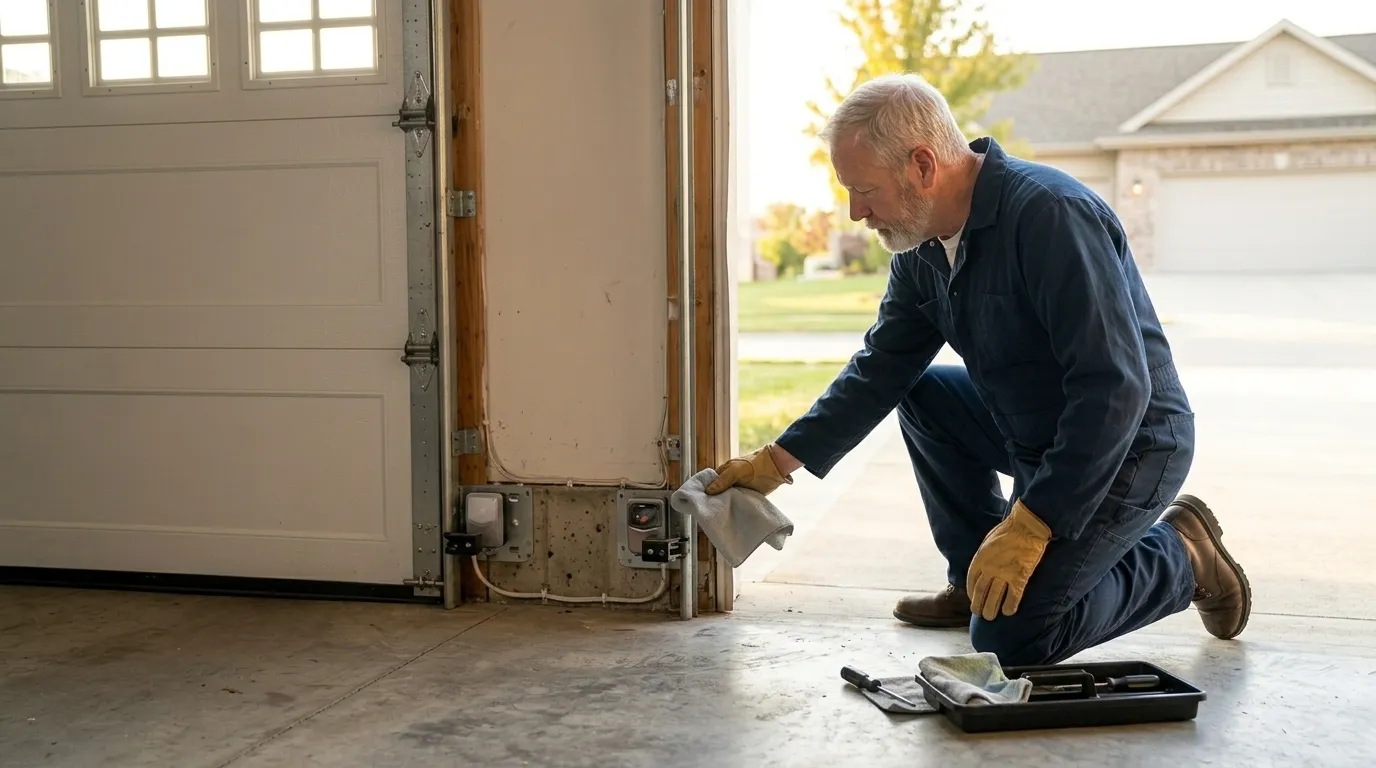
Tune-ups, lubrication, and safety checks that catch a small problem before it becomes a service call.
Learn more →Frequently Asked Questions
Is my garage door original to the house if my house was built in the 1960s?
It's possible, especially in the parts of this service area where the 1960s-70s stock is heaviest. A lot of original single-layer steel or wood doors from that period are still in service, since the mechanical parts can outlast the insulation standard they were built under by decades.
Does an uninsulated door mean something's wrong with it?
No. Doors on houses built before insulation rules were tightened simply weren't built to a thermal standard, because the code at the time didn't require one. An uninsulated door that still opens, closes, and seals at the floor is working as designed for its era.
Why does my old door bind up on cold mornings?
This is a cold-climate service area, and steel without a thermal break contracts in hard freezes, which can make a door drag slightly on its first cycle. It usually loosens up after a run or two. If it doesn't, that's worth a look.
Should I replace an old door just to add insulation?
Not on its own, generally. If the door still runs fine mechanically, insulation is a comfort upgrade, not a repair. It's a better decision to make when something else on the door - a spring, a panel, the opener - already needs attention.
Have a Door That Needs a Second Opinion?
Call and describe what it is doing - we will tell you what it likely is.