
Milwaukee, WI
Milwaukee Garage Door Guide
When the Power Goes Out, What Happens to Your Opener
Milwaukee homes built between 1938 and 1971 often run openers without battery backup. Here's what a winter power cut means for that door and what to check now.
- Licensed & Insured
- Same-Area Service Calls
- Upfront Pricing
Leaving It Alone
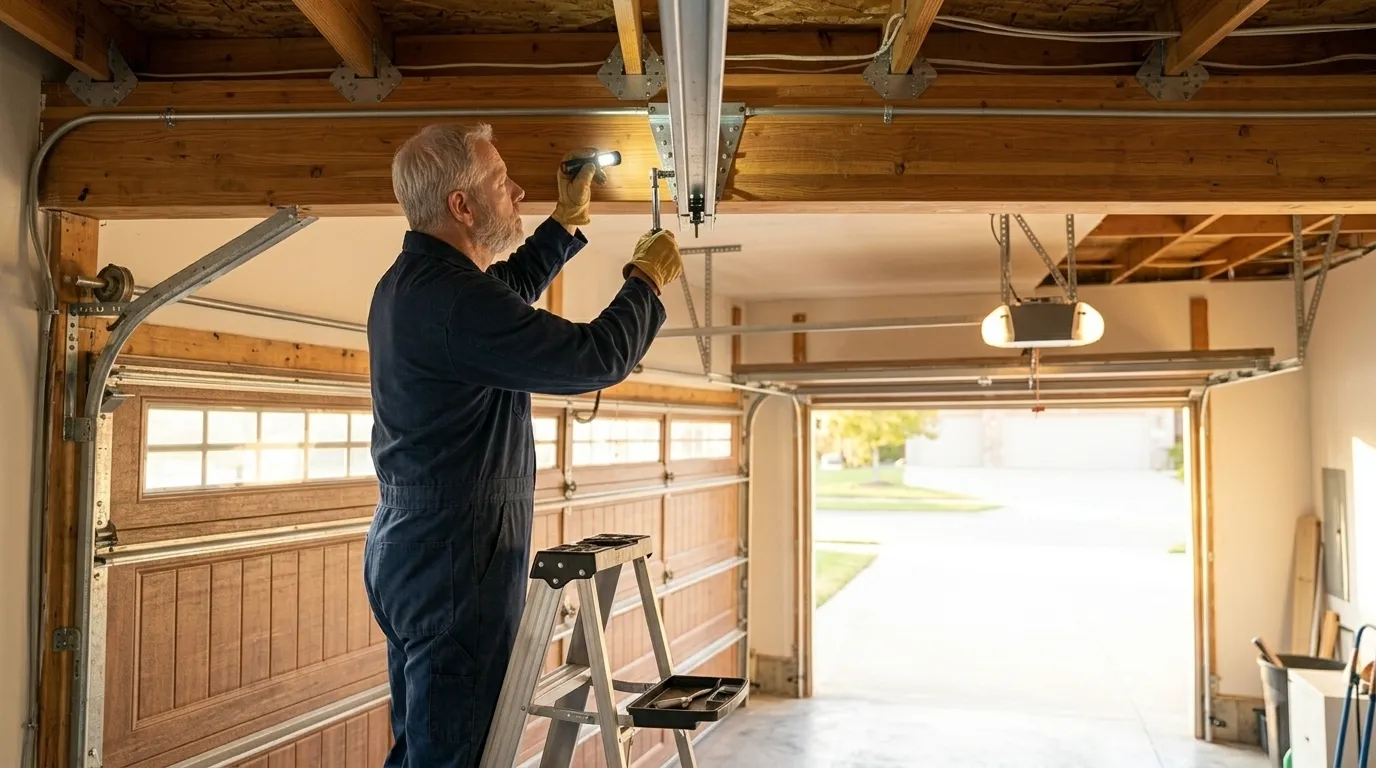
Most of Milwaukee's housing stock went up between 1938 and 2000, with the median build year landing around 1971. That means a lot of garages here still have the original opener, or a second-generation replacement from the 80s or 90s, mounted on a rail that predates battery backup as a standard feature. If your opener has never lost power and kept working, you probably don't know whether it has backup capability at all - and that's not something to find out during an outage.
Across the 38 named areas that make up this service territory, the pattern repeats: 1960s and 70s construction with garages sized and wired for the era. Leaving an aging opener alone works fine until the day it doesn't, and the day it doesn't is usually the day you least want to be climbing a ladder to find the manual release cord in the dark. A five-minute check - does this unit have a battery backup module, and does the release cord actually work - costs you nothing and tells you where you stand before winter does it for you.
What the Weather Here Does to It
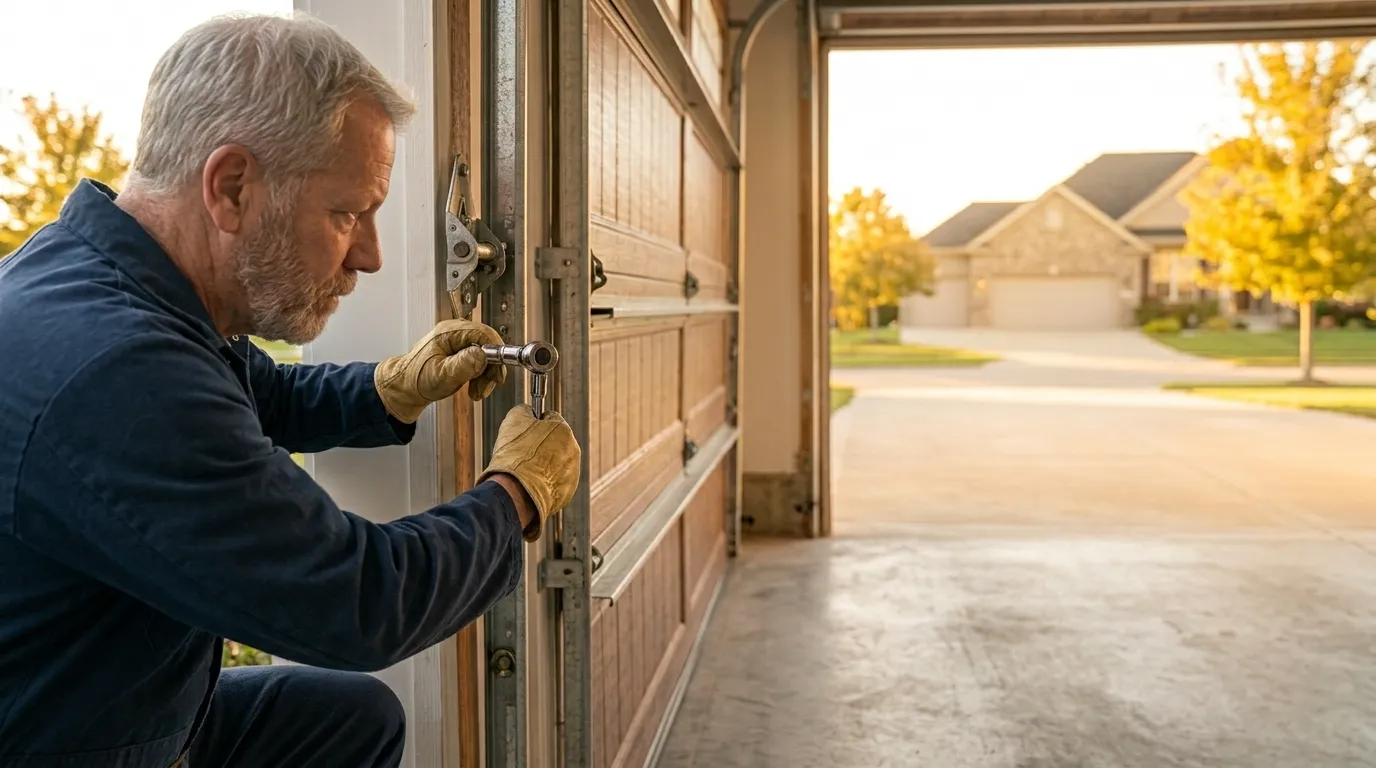
This is a cold-severe climate zone, and that matters more for openers than most people expect. It's not just the door - it's the sensors, the drive motor, and the wiring that gets stressed by repeated freeze-thaw cycles. A power cut during a winter storm doesn't just stop the opener; it often happens at the exact moment ice has already made the door heavier and harder to move by hand.
Homes built in the 1960s and 70s window that dominates this area frequently have detached or minimally insulated garages, so the opener itself sits in near-outdoor temperatures for months at a time. Cold metal parts, cold grease, and a dead battery backup (if there's one at all) is a combination that shows up as a door that won't budge, manually or otherwise, right when you need it to. That's the local reality behind
The Situation
Put the housing age and the climate together and you get a specific, common situation: an opener from the original construction era, no battery backup, sitting in an unheated garage, in a city where multi-day cold snaps aren't rare. When the power goes, the door itself can usually still be released by hand - but on 1960s and 70s track hardware, the manual release mechanism is often stiff or partly seized from decades of cold, especially if it hasn't been exercised in years.
We see this most in the older stock spread across places like Old North Milwaukee, Riverwest, and the Lower East Side, where original garages haven't had major hardware updates. It's less of an issue in homes with newer openers, but plenty of the service area still runs original or first-replacement units. One honest limitation: we don't stock every discontinued drive-motor part for every 1970s opener, so if yours is that old, a repair sometimes isn't worth chasing and replacement with a battery-backup unit ends up being the more sensible call.
What You Pay
We don't quote a number here because it depends on what's actually failed - the opener itself, the battery backup module, or just a stiff manual release that needs service, not replacement. What we can tell you is what drives the decision in this area: median household income across the service territory runs a little over $102,000, and most owners we talk to would rather pay once for a battery-backup opener than repeat a service call every time a storm knocks out power for a few hours.
If your opener is original to a 1960s or 70s build, expect the conversation to include whether it's worth adding backup capability now instead of waiting for a full failure. That's a call we make with you after we've actually looked at the unit, not before.
How We Can Help
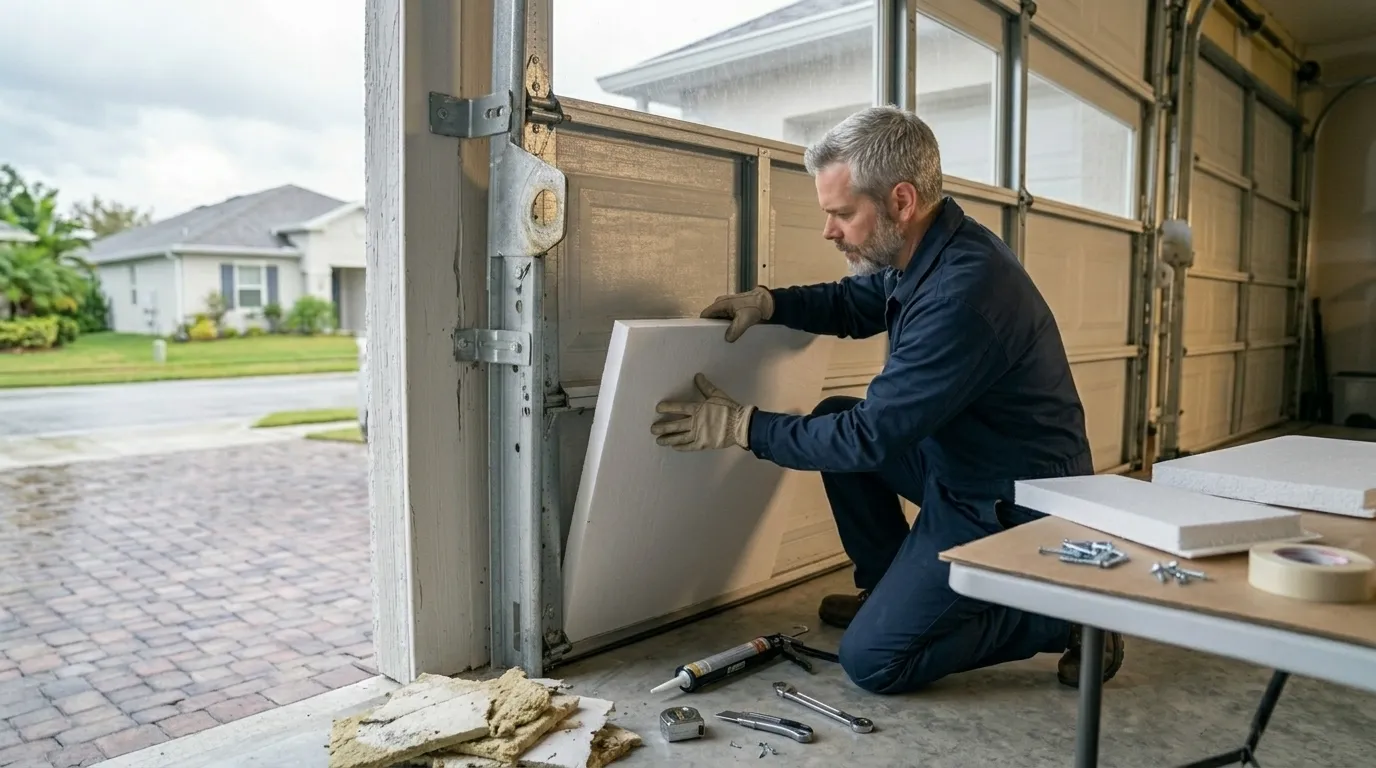
Garage Door Repair
Springs, cables, tracks, rollers, and openers fixed by a tech who explains the problem before touching anything.
Learn more →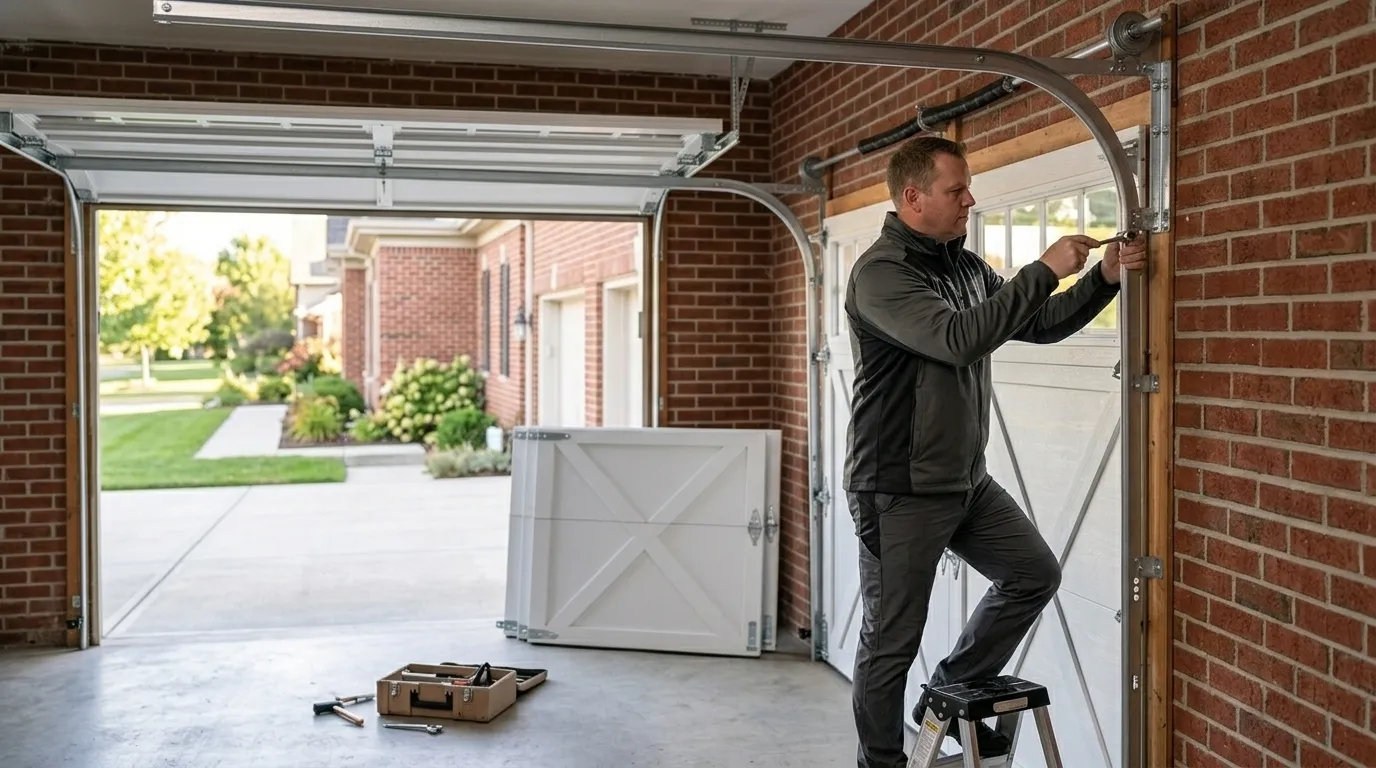
Garage Door Installation
New sectional doors sized and installed for the housing stock actually built in this area.
Learn more →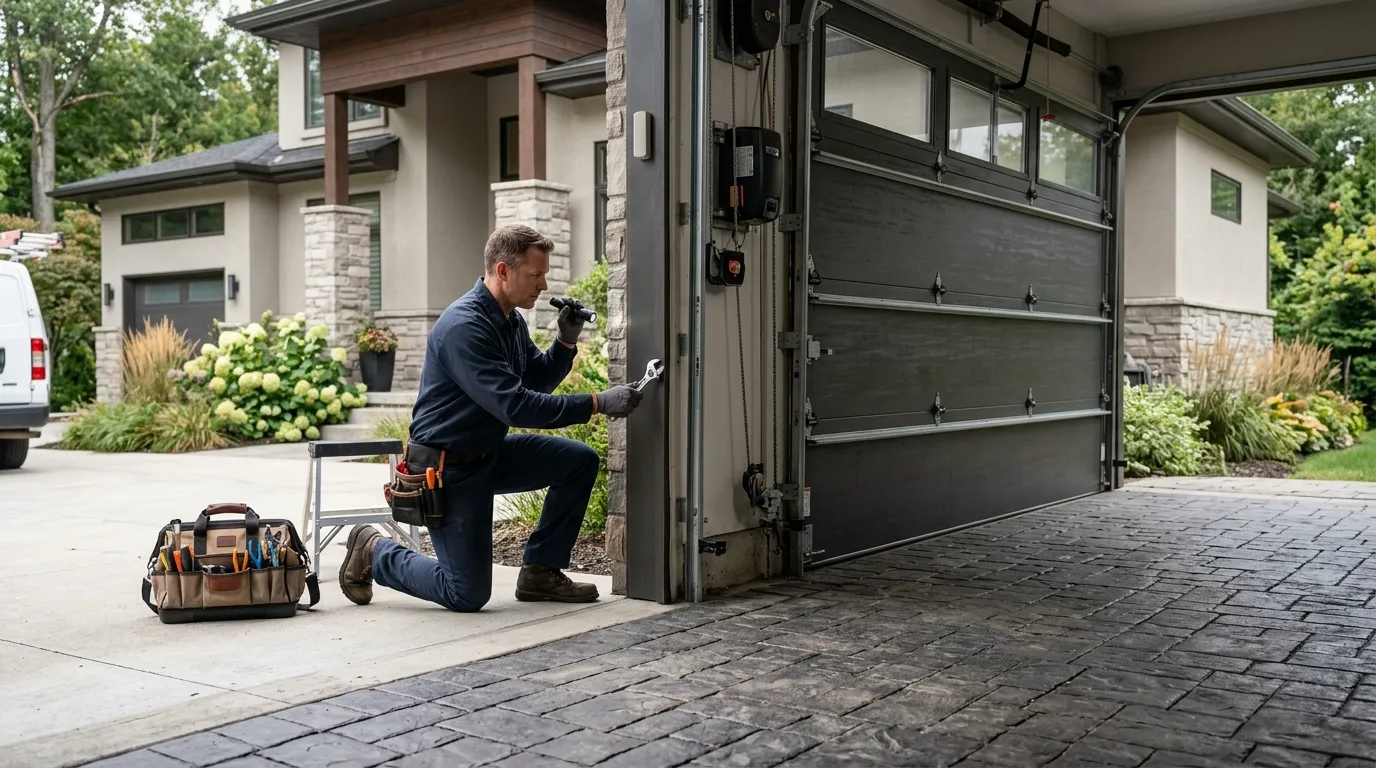
Garage Door Service
Tune-ups, lubrication, and safety checks that catch a small problem before it becomes a service call.
Learn more →Frequently Asked Questions
Does my garage door opener need a battery backup in Milwaukee?
If your home was built in the 1960s or 70s stretch that makes up most of this area, your original opener almost certainly doesn't have one. Given how often winter storms here knock out power for hours at a stretch, adding backup capability is worth asking about, especially if your garage is the only way into the house.
Can I open my garage door by hand during a power cut?
Usually yes, using the manual release cord - but on older track hardware common to this area's 1960s-70s housing stock, that release can be stiff from years of cold and disuse. Test it before winter, not during an outage, so you know it actually works.
Why does my opener seem to struggle more in winter?
This is a cold-severe climate zone, and unheated or minimally insulated garages common in Milwaukee's older housing stock mean the motor, sensors, and grease are all working against low temperatures. Combined with a heavier, ice-stiffened door, an aging opener has to work harder than it was built for.
Have a Door That Needs a Second Opinion?
Call and describe what it is doing - we will tell you what it likely is.