
Milwaukee, WI
Milwaukee Garage Door Guide
What Actually Happens During a Milwaukee Garage Door Service Call
See what a garage door service call in Milwaukee covers, from 1960s-70s torsion hardware to cold-weather diagnostics, and our repair-or-replace advice.
- Licensed & Insured
- Same-Area Service Calls
- Upfront Pricing
Leaving It Alone
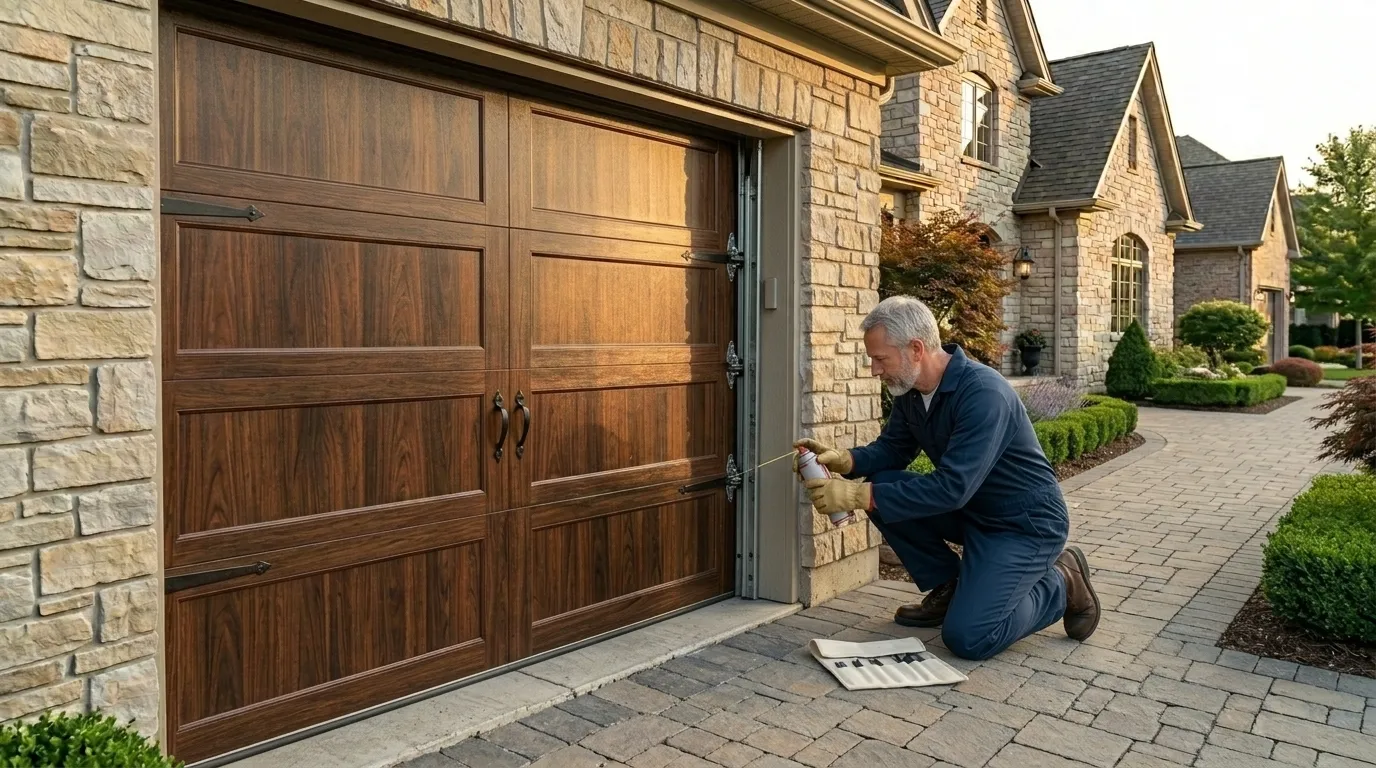
Before we talk about what a call covers, here's what it doesn't have to lead to: a repair. A lot of the homes we get sent to were built between 1938 and 2000, with the median landing around 1971, and a door that's been quietly working since then doesn't automatically need new parts because it made a noise once. Our first job on-site is figuring out if the door actually needs work or if it needs an adjustment and nothing else.
That's the honest limitation here: we don't upsell a spring change on a door that just needs the track re-aligned or the opener's force setting turned down half a turn. If your door is original to a house from that 1960s-70s wave that makes up most of this area's stock, it may be old, but old isn't the same as broken.
Sometimes the right answer after a service call is a five-minute fix and a note about what to watch for, not a parts list. We'd rather tell you that than write up work the door doesn't need.
What the Weather Here Does to It
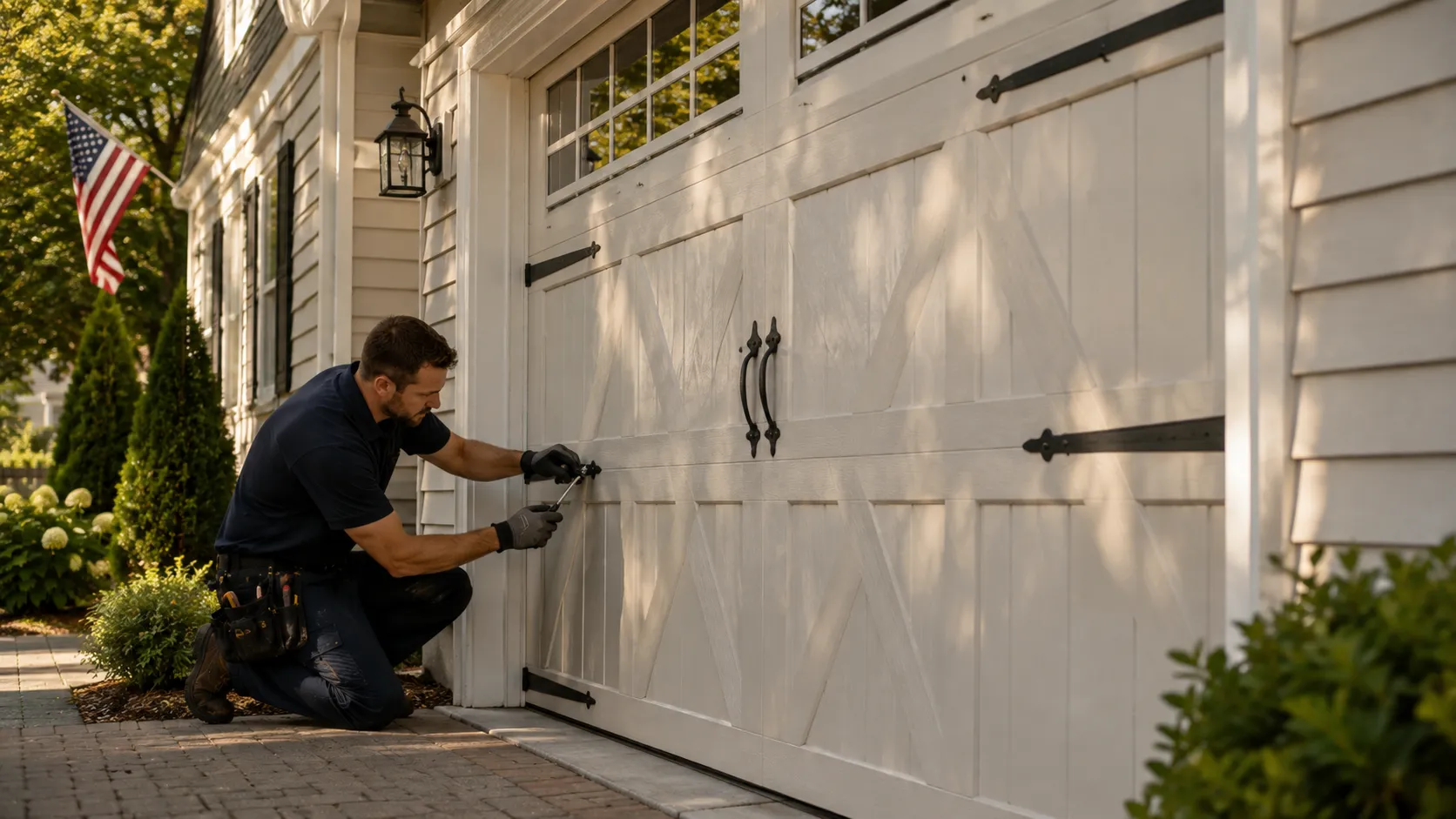
Milwaukee sits in a cold-severe climate band, and that matters more to a garage door than most people expect. Steel panels contract in the cold, which is enough to throw off a door that tracked fine all summer. Grease in an old bearing thickens when it's cold enough, torsion springs lose a measurable amount of tension as temperatures drop, and a track that was a hair out of plumb in July becomes a door that binds or reverses in January.
A service call in winter here is rarely just "the door won't open." It's usually the cold exposing a small misalignment or a spring that was already near the end of its cycle count, and the temperature just tipped it over. That's why the diagnostic part of the call matters as much as the fix: we're not just looking at what failed, we're looking at whether the cold is going to make it fail again in a month.
The Situation
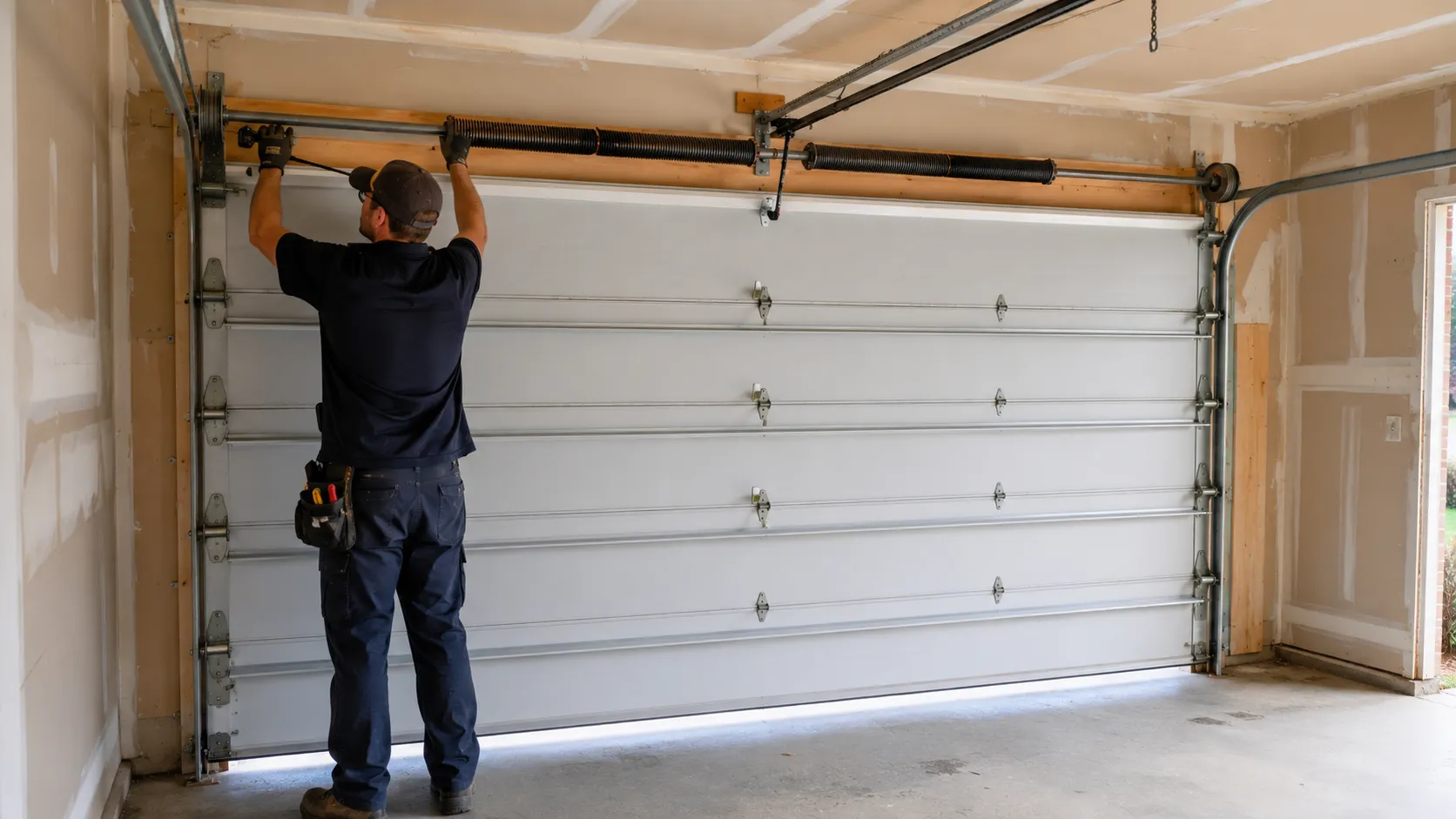
On a typical call, the tech checks the springs first, since a wound spring under tension is the most dangerous single part on the door and the most common reason for a no-open. Then it's cables, rollers, track alignment, the opener's force and travel limits, and the photo-eye sensors if the door won't close. Given that most of the housing across this area's 38 named neighborhoods dates to the 1960s and 70s, a good share of what we find is original torsion hardware sized for a door style that isn't made anymore, which changes what parts we can pull off a shelf versus what has to be matched or adapted.
We also ask what led to the call: a specific noise, a specific day it stopped working, whether anyone hit the door with a car. That context narrows the diagnosis faster than staring at the door in silence. By the end of the visit you should know exactly what's worn, what's still fine, and what we'd watch over the next year rather than replace today.
What You Pay
We don't have a flat number to quote here, and we're not going to make one up. What a call costs depends on what's actually wrong, and that depends heavily on the door's age and hardware, which in this area varies more than you'd think given how much of the stock shares a build era. A door with an original 1960s torsion spring and a modern opener bolted on later is a different job from a door where everything's original.
Our service area runs from close-in places like Wauwatosa, Shorewood, and Glendale, a few miles out, to farther towns like Cedarburg and Grafton, and the type of home doesn't shift as much across that distance as the age of the hardware inside it does. Across the roughly 100,460 owner-occupied houses we could be called to, the honest answer is that the diagnosis comes first and the number comes after, not the other way around.
How We Can Help
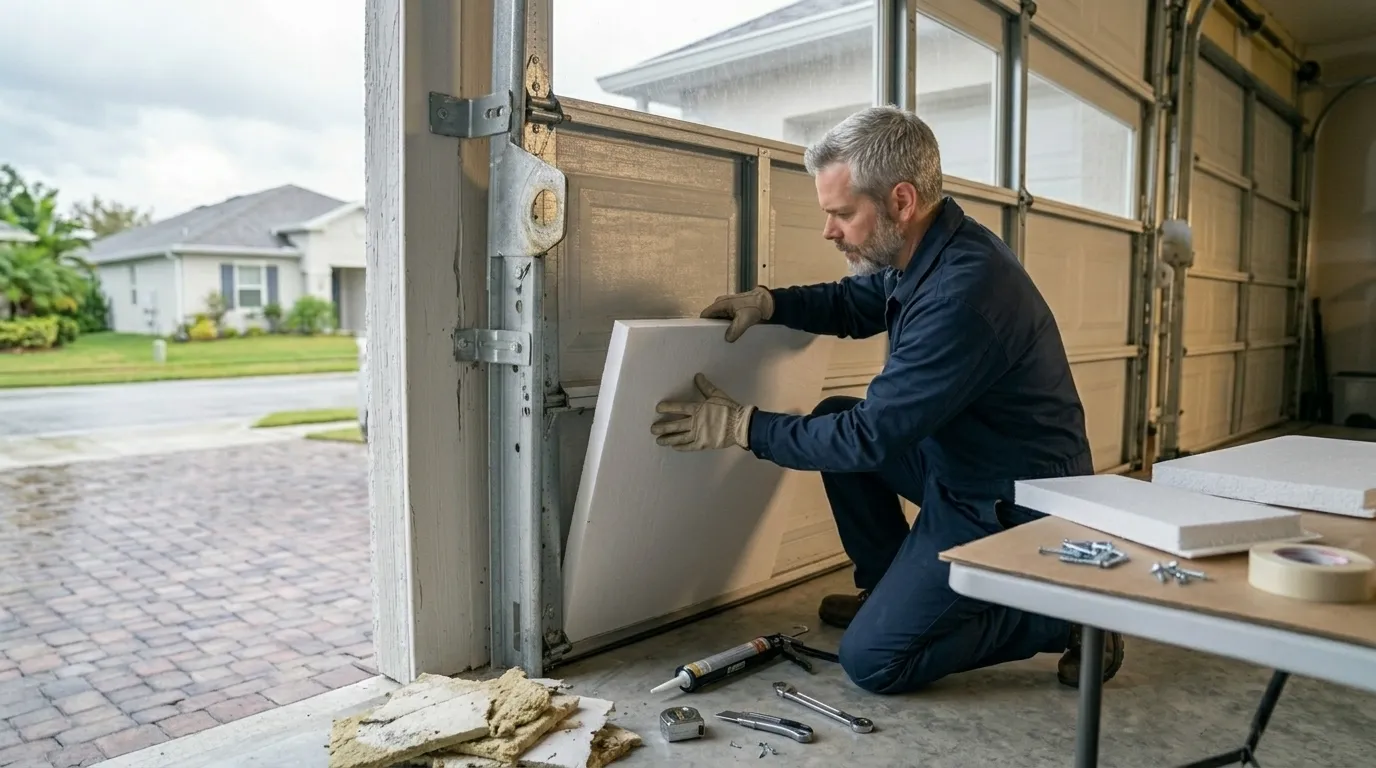
Garage Door Repair
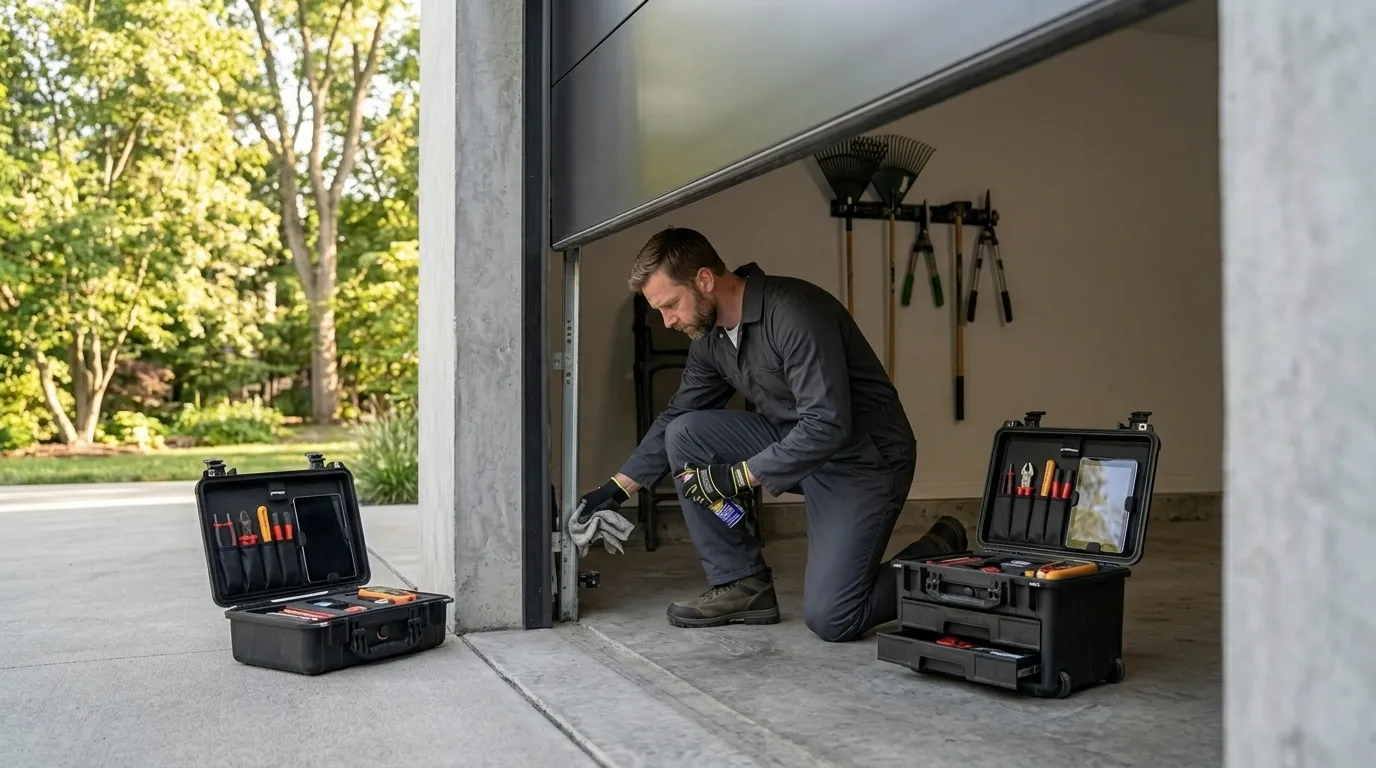
Springs, cables, tracks, rollers, and openers fixed by a tech who explains the problem before touching anything.
Learn more →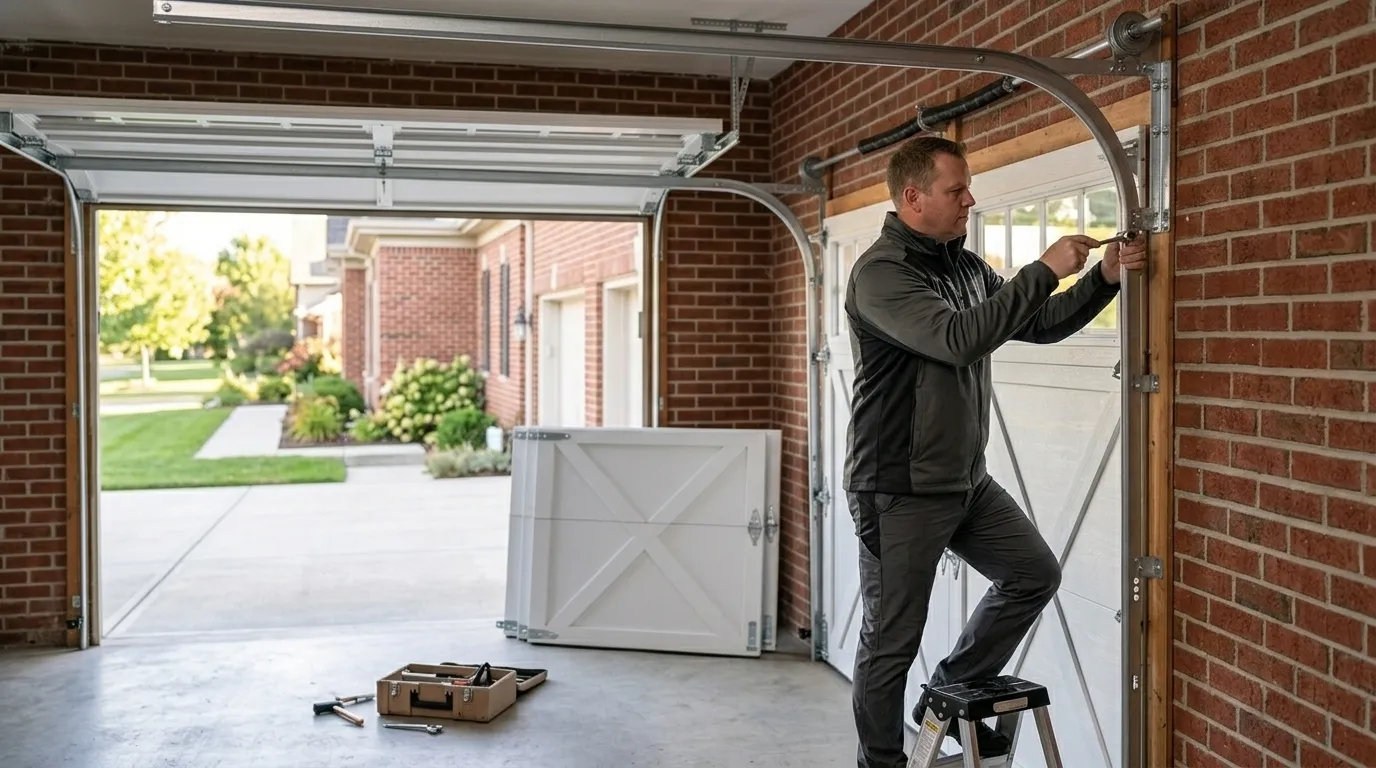
Garage Door Installation
New sectional doors sized and installed for the housing stock actually built in this area.
Learn more →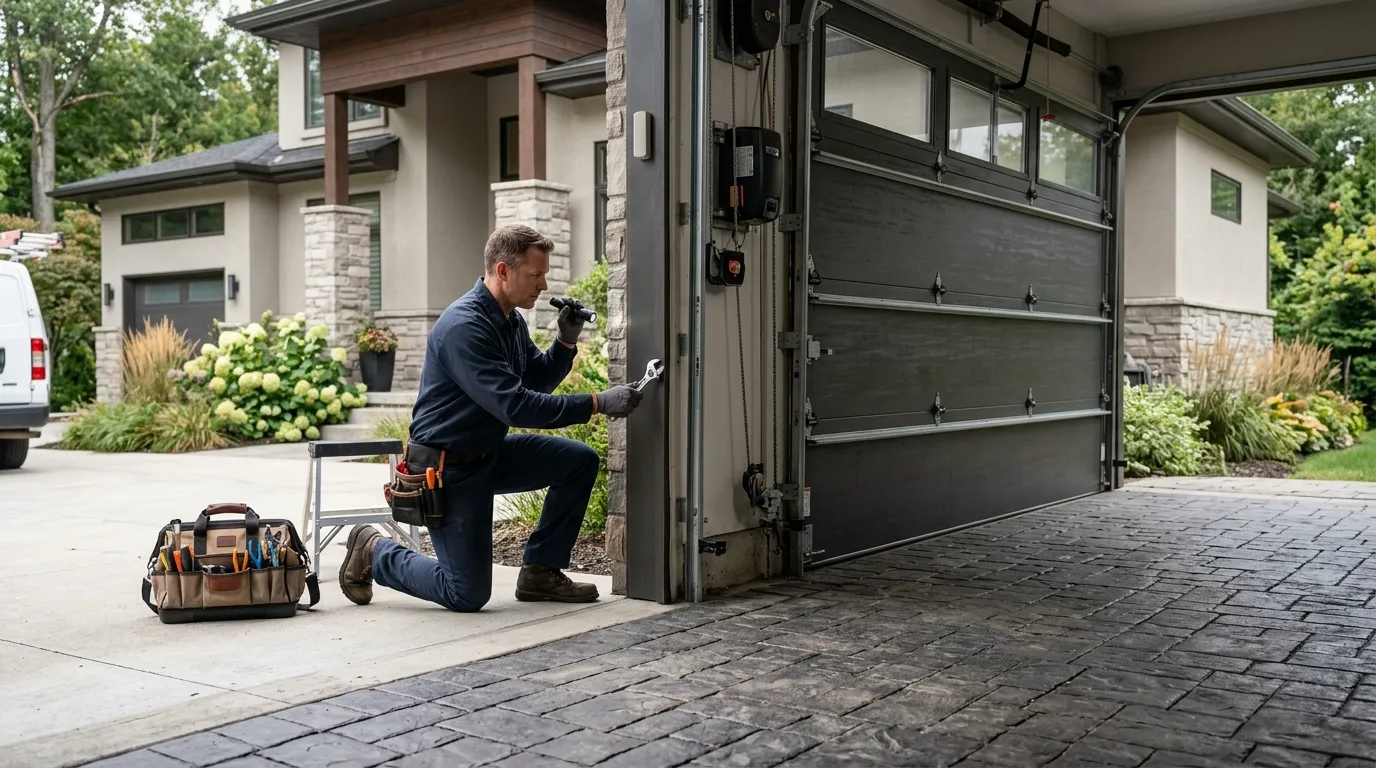
Garage Door Service
Tune-ups, lubrication, and safety checks that catch a small problem before it becomes a service call.
Learn more →Frequently Asked Questions
Do you charge just to come look at the door?
We don't have a published fee to quote you here, and pricing isn't listed in what we're working from for this page. What we can tell you is that the visit includes a full diagnosis of springs, track, cables, and opener before any repair work starts, so you know what's wrong before you decide anything.
Is it normal for my garage door to act up more in winter?
Yes, and it's tied to the cold-severe climate here. Steel contracts, spring tension drops slightly, and grease thickens, so a door that was fine in summer can start binding or reversing once temperatures fall. It doesn't always mean something's broken, but it's worth having checked before it gets worse.
My house is from the 1960s. Does that change what a service call finds?
Often, yes. A lot of the housing across this area dates to that decade or the 1970s, and a good number of those doors still run original torsion hardware. That can mean parts have to be matched rather than pulled off a standard shelf, which is something we flag during the call, not after.
Will you tell me if replacement makes more sense than repair?
That's part of the call. If a door's hardware is old enough that patching one part just means the next part fails soon after, we'll say so plainly instead of running up a series of repairs. Sometimes replacement is the more honest recommendation, and we'd rather give it early.
Have a Door That Needs a Second Opinion?
Call and describe what it is doing - we will tell you what it likely is.