
Milwaukee, WI
Milwaukee Garage Door Guide
What That Sound From Your Garage Door Is Telling You
A grinding, popping, or squealing garage door isn't random in Milwaukee's cold winters and older housing stock. Here's what each sound tells you before it fails.
- Licensed & Insured
- Same-Area Service Calls
- Upfront Pricing
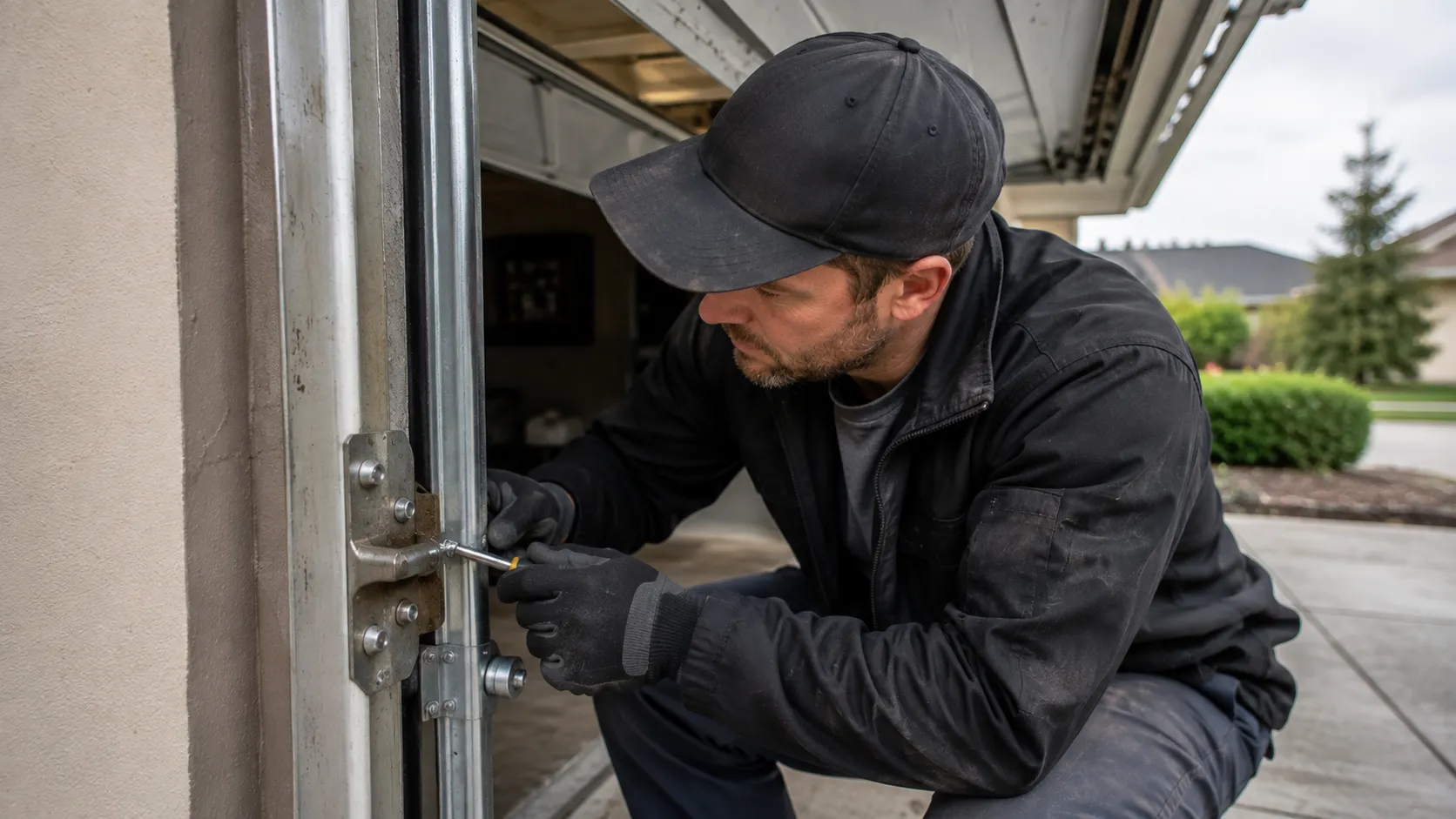
Leaving It Alone
A lot of Milwaukee homeowners let a noise ride for months. The door still opens, so it's easy to tell yourself it's fine.
Here's the problem: most of the housing across this service area went up between 1938 and 2000, with the median right around 1971, and a big share of that stock is 1960s and '70s builds spread across the 38 neighborhoods and suburbs we work in. That means a lot of original garage door hardware - springs, rollers, hinges - that's now 50-plus years old and was never designed to run silent forever.
A squeal from a door that age usually means dry hinges or a roller wearing down, not an emergency. A rhythmic thump on the way up can mean a bent track section that's been slowly walking out of alignment since the Nixon administration.
Ignoring these doesn't make them disappear. It means the part fails on a morning when you're already late, instead of on a Tuesday afternoon when you called us first.
We're not going to tell you every noise needs a truck out that day. Some don't. But a noise that's new, that's getting louder, or that changes pitch when it's cold out is the door telling you something specific, and on hardware this old, it's worth listening.
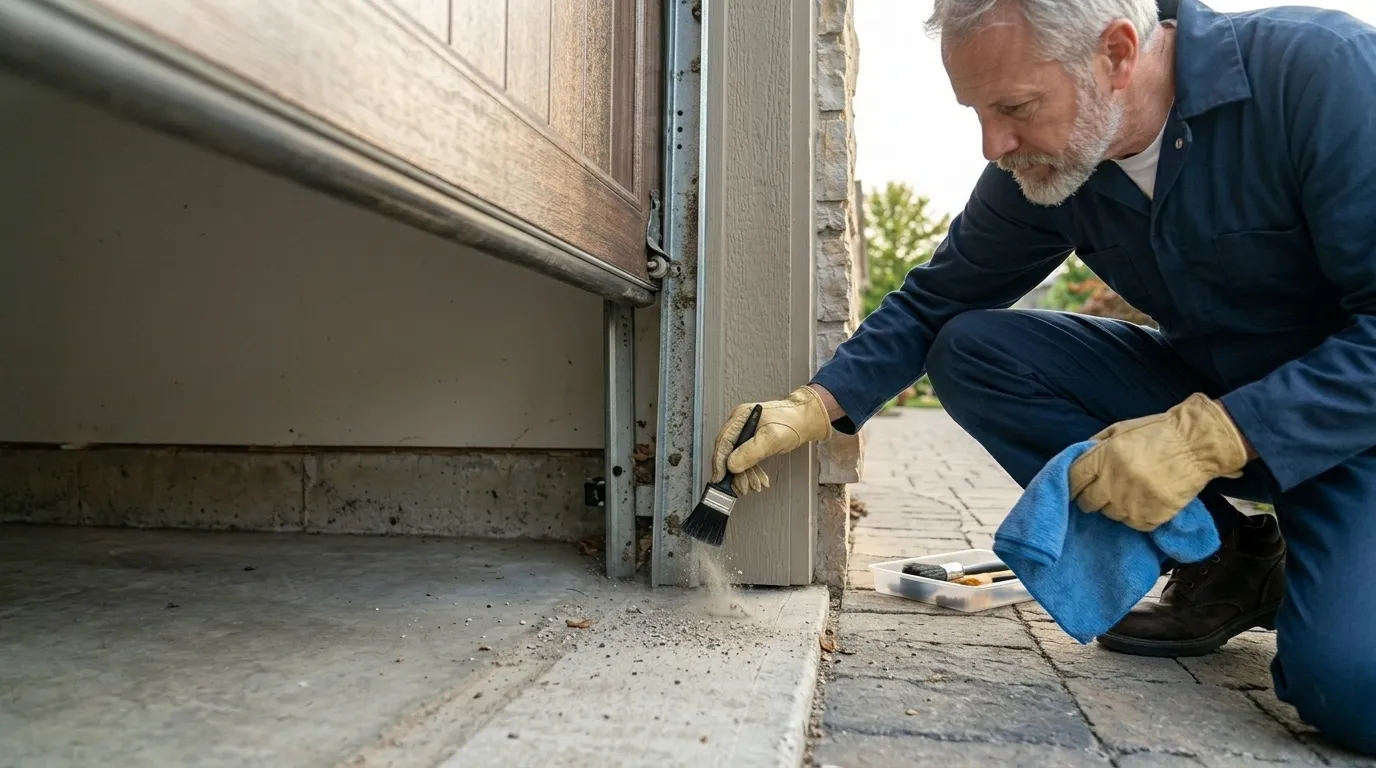
What the Weather Here Does to It
This is a cold-severe climate, and that changes what a noise actually means here versus somewhere mild. A torsion spring loses tension as steel contracts in the cold - a door that ran quiet in September can start groaning or banging by January on the exact same hardware.
That's not the spring failing yet. It's the spring telling you it's closer to failing.
Ice is the other half of it. Meltwater refreezes in the track overnight, and a door that grinds or catches on the way down in winter is often just riding over a thin ridge of ice in the track, not a track that's actually bent. Run it through that ridge a hundred times over a season and you will eventually bend it for real.
A slow rumble that only shows up in cold weather points to bearings or rollers that have lost lubrication as grease thickens in the cold - a noise you likely won't hear at all in July. If your door sounds different in January than it does in June, that's not your imagination. That's this climate working on 50-year-old steel, and it's the single clearest diagnostic tool a homeowner here has, for free, just by paying attention to when the noise shows up.
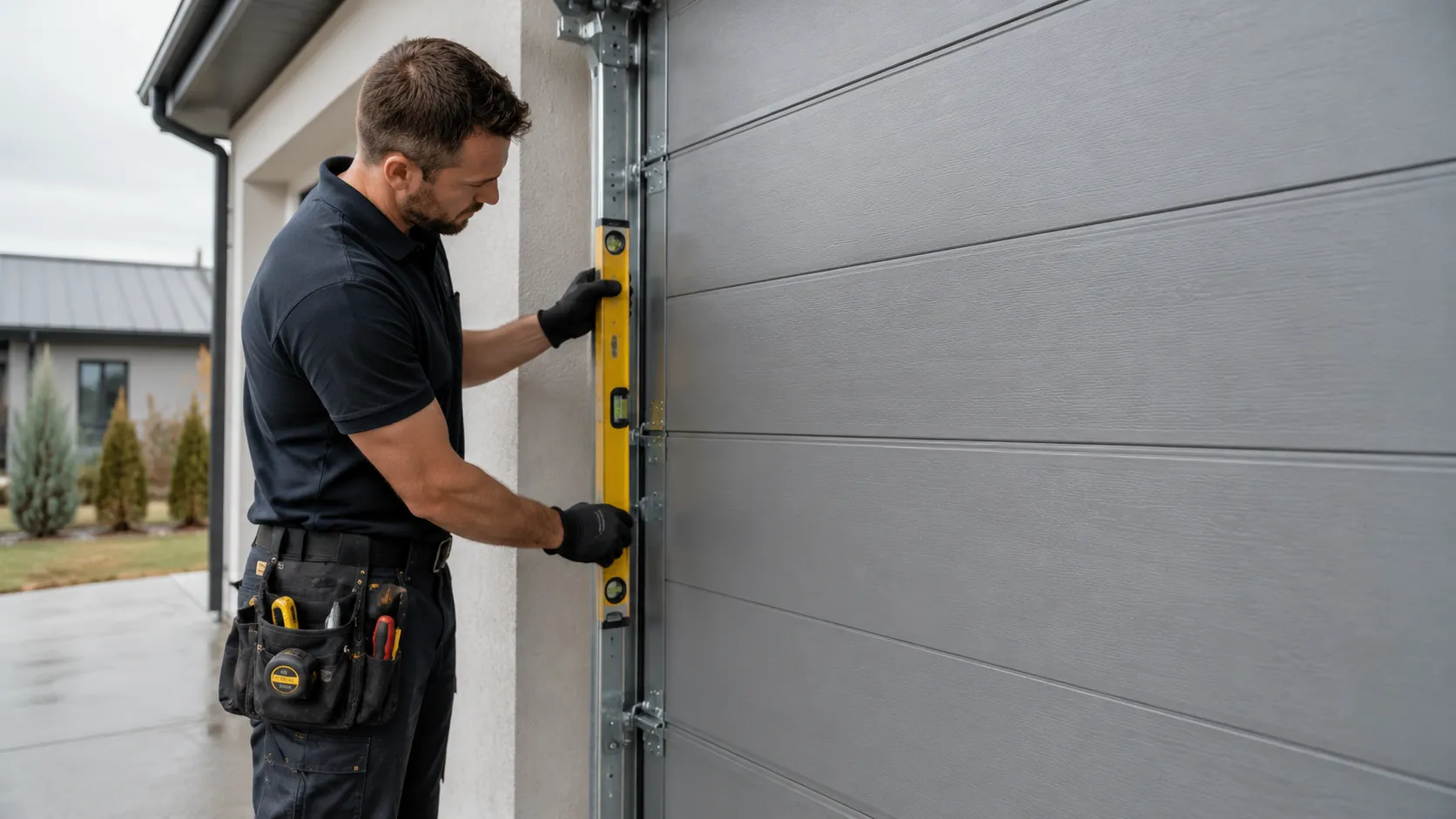
The Situation
Across the neighborhoods we run calls in - from the Historic Third Ward and Riverwest in the city out to places like Wauwatosa, Shorewood, and Glendale a few miles out - the doors we're looking at skew old. That's just what the housing stock is: mostly 1960s and '70s construction, built before today's spring and cable standards existed.
A noise on one of these doors is rarely a brand-new problem. It's usually years of small wear finally reaching the point where you can hear it.
A snapping or popping sound, especially loud and sudden, is almost always a cable or spring under load giving way, and on a door this old, if one side's original hardware has gone, the other side isn't far behind - it's seen the same winters. A grinding sound from the opener itself, separate from the door, often means the gear inside has worn down, which is common enough on units installed decades ago that it's more a matter of when than if.
Here's the limitation: we can tell you a lot from a description over the phone, but we won't quote a repair on a spring or cable job without seeing the door in person. Torsion hardware under tension is not something we diagnose blind, and neither should you.
What You Pay
We don't have a flat rate to hand you here, because what a noise costs to fix depends entirely on what's making it - a $20 roller swap and a full torsion spring replacement are both described by homeowners as 'my door is making a noise,' and they are not the same call. What we can tell you is that we look at the door before we quote the fix, not the other way around.
What we will say: on hardware this old, replacing one worn part often exposes a second one right behind it. A rusted spring on a door installed during the neighborhood's original 1960s-70s build wave often means the rollers and cable are the same age and the same condition. We'd rather tell you that up front than have you pay twice in one year.
If a noise turns out to be a symptom of a door that's genuinely at the end of its life rather than one part failing, we'll say so. Fixing a 50-year-old door piece by piece can cost more over two years than replacing it once. That's not the answer we lead with, but it's the honest one when the hardware calls for it.
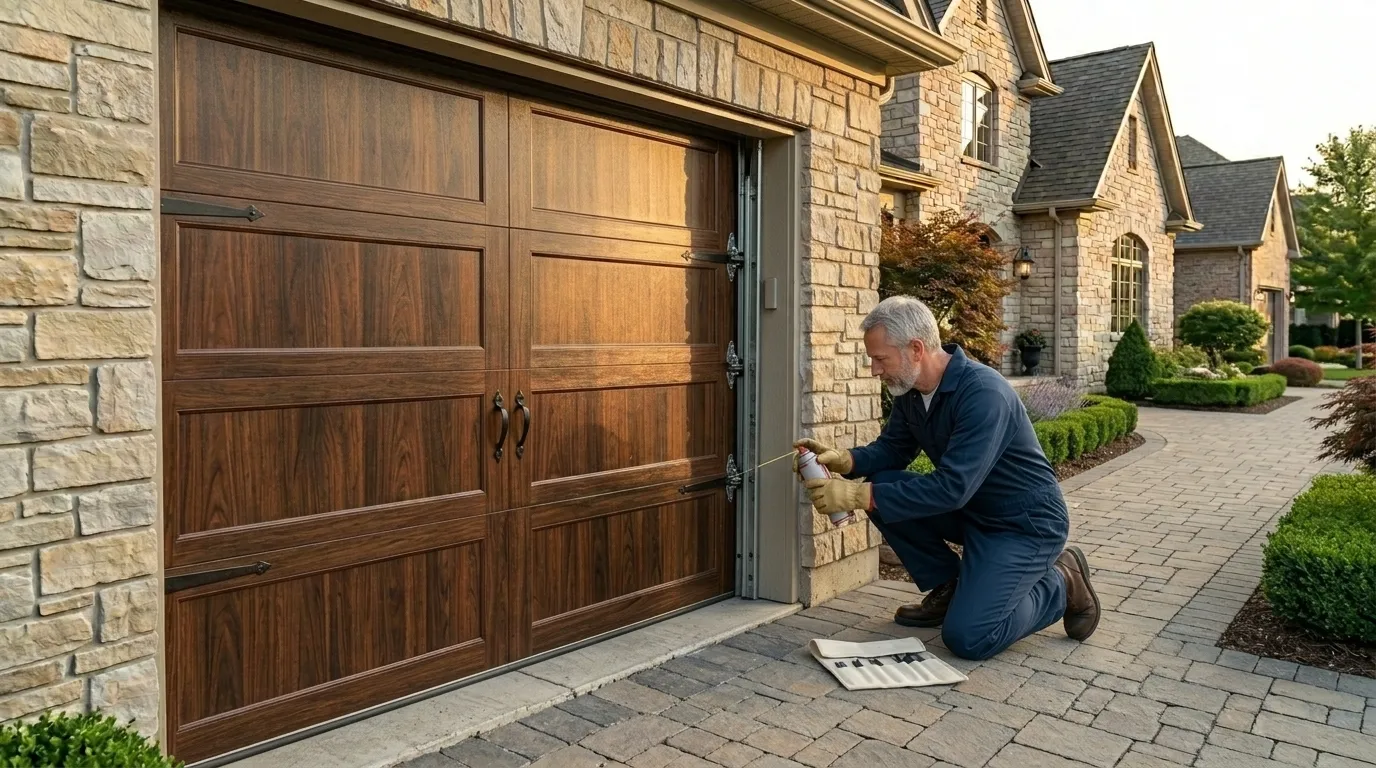
How We Can Help
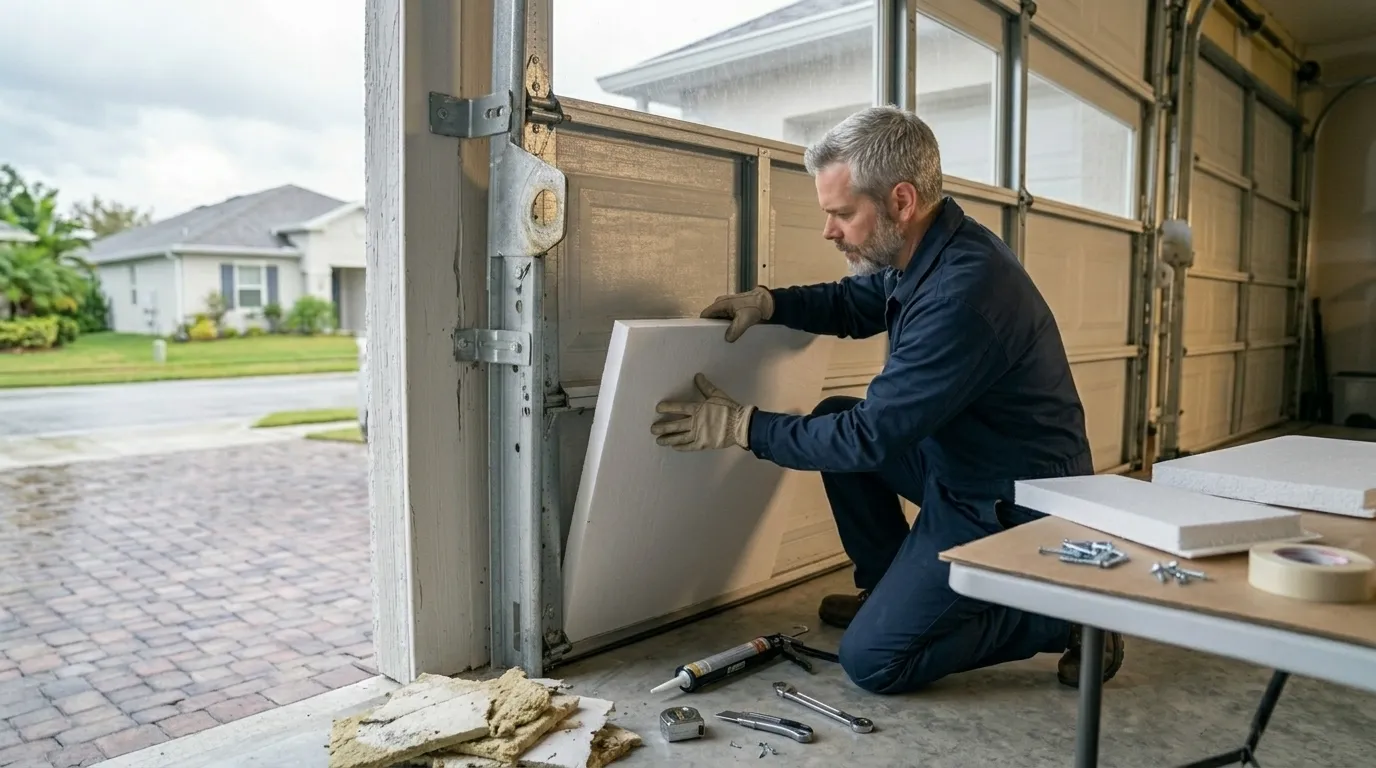
Garage Door Repair
Springs, cables, tracks, rollers, and openers fixed by a tech who explains the problem before touching anything.
Learn more →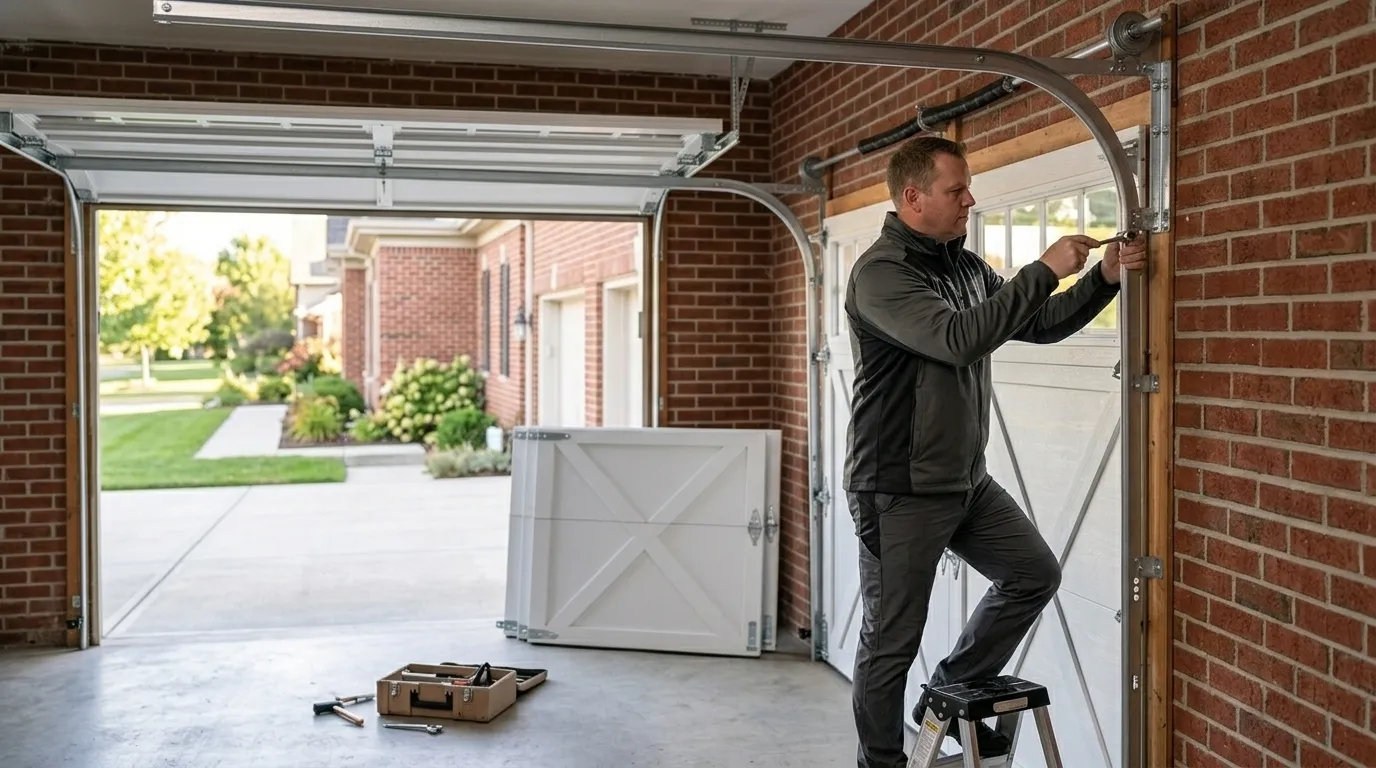
Garage Door Installation
New sectional doors sized and installed for the housing stock actually built in this area.
Learn more →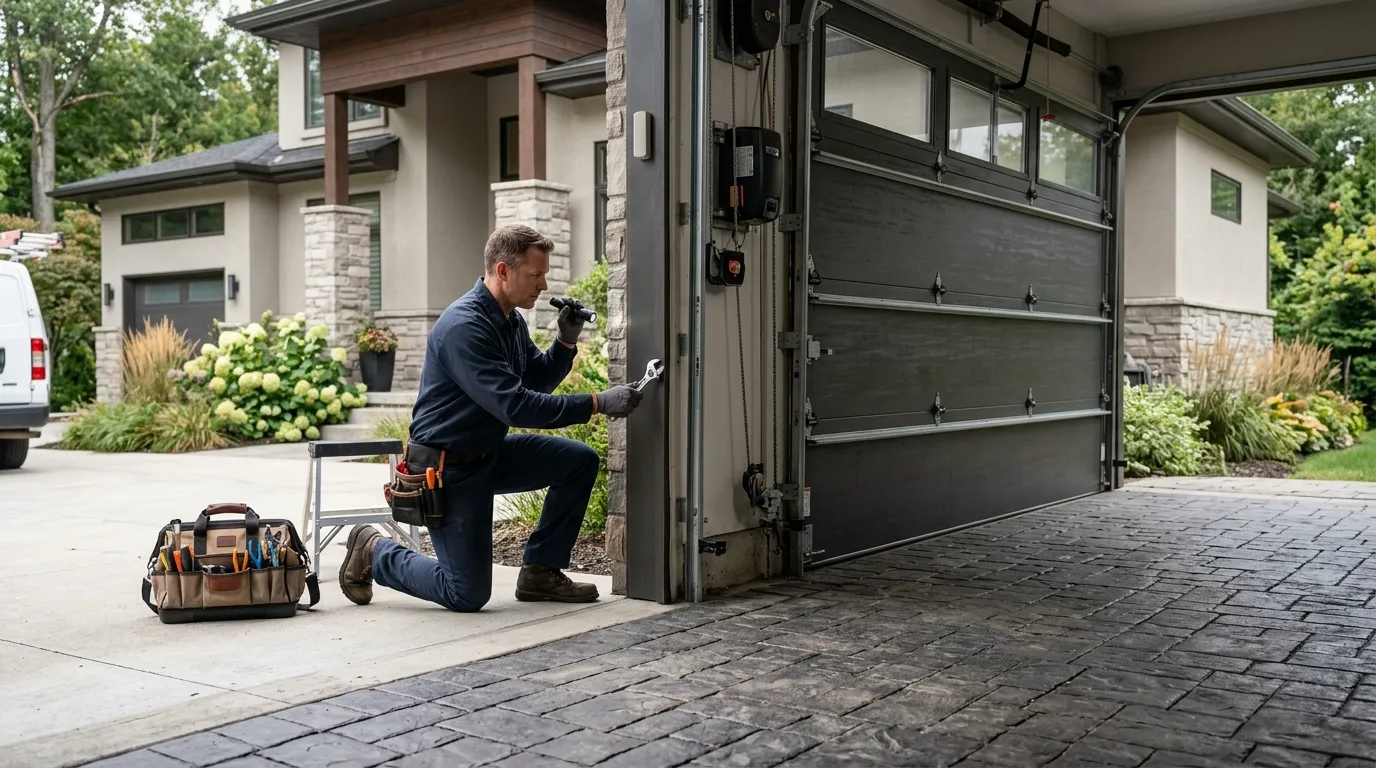
Garage Door Service
Tune-ups, lubrication, and safety checks that catch a small problem before it becomes a service call.
Learn more →Frequently Asked Questions
Why does my garage door suddenly get louder in winter?
Cold contracts the steel in torsion springs and thickens the grease in rollers and bearings, so hardware that ran quiet in warm months tightens up and starts to groan or bang once temperatures drop. It's a real change in the metal, not just quieter background noise in summer masking it.
Is a grinding noise always the spring?
No. Grinding can mean a dry roller, worn bearings, ice built up in the track, or gear wear inside the opener itself. On hardware from the 1960s or '70s, several of these are often present at once, which is why we look at the door rather than guess from a description.
How old is a typical garage door in Milwaukee?
A large share of the housing stock across this service area was built between 1938 and 2000, with the median around 1971, so a lot of the original doors and openers on that stock are decades past when parts like springs and cables were meant to last.
Can you tell me a price over the phone?
Not for a spring, cable, or track repair. Those run under tension and we need to see the actual hardware and its condition before quoting. We can talk through what a noise likely means, but the number comes after we've looked at the door.
Have a Door That Needs a Second Opinion?
Call and describe what it is doing - we will tell you what it likely is.