
Milwaukee, WI
Milwaukee Garage Door Guide
Is Your Old Milwaukee Garage Door Worth Fixing, or Time to Replace It
Milwaukee homes built between 1938 and 2000 carry garage doors from several distinct eras. Here's how to tell when an older one is still worth fixing.
- Licensed & Insured
- Same-Area Service Calls
- Upfront Pricing
Leaving It Alone
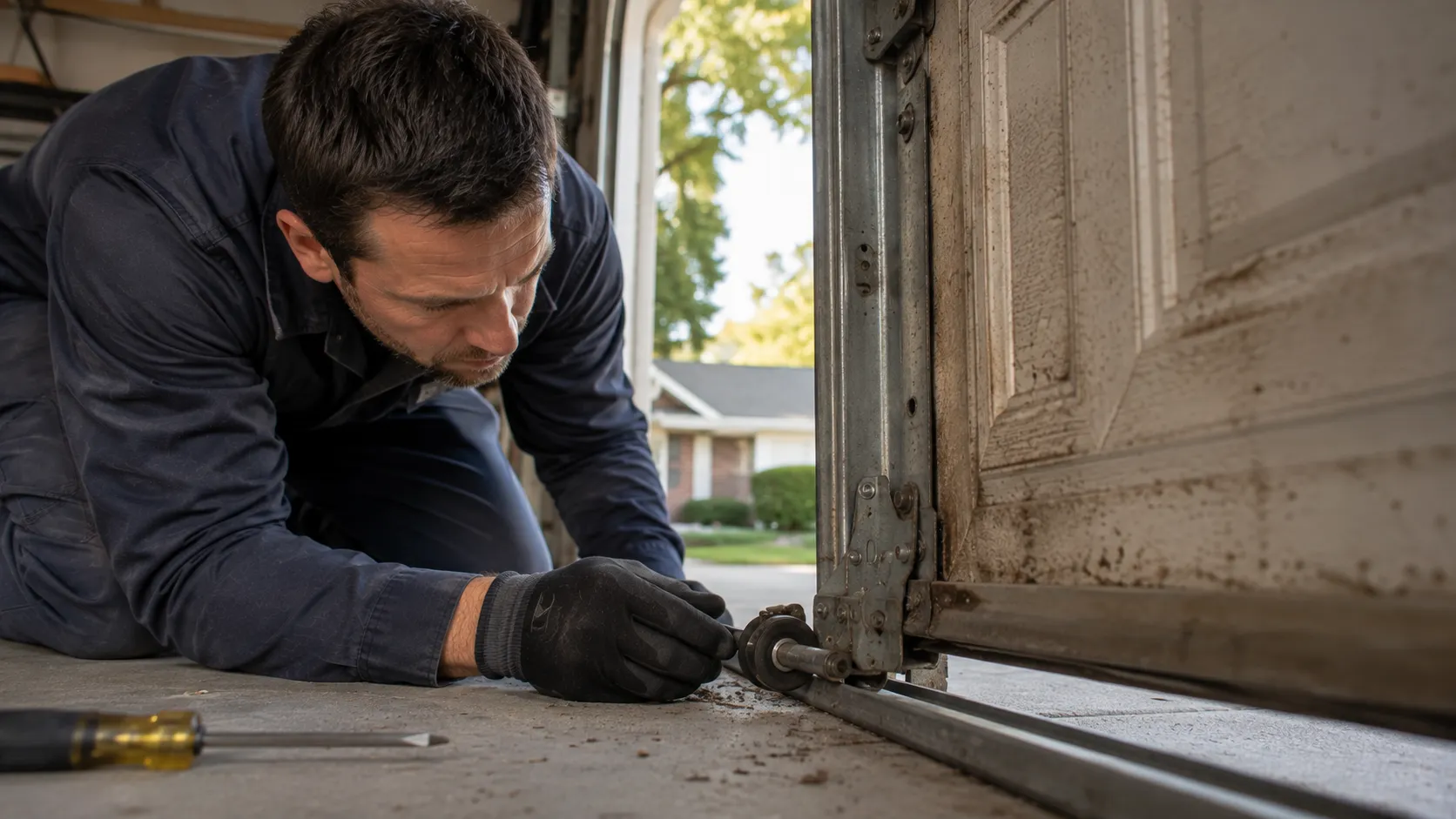
Most of the doors we look at in this city came in with houses built somewhere between 1938 and 2000, with the median build year sitting around 1971. That's a wide spread, but it means a lot of what's on the tracks right now is original hardware from a construction boom that's now over fifty years behind us. A door from that run isn't automatically a problem.
If the panels aren't rusted through, the springs are still cycling smoothly, and the opener - if there is one - still reverses on contact, leaving it alone is the right call. Replacing a door that still does its job just because it's old wastes money that's better spent when something actually fails. The trouble starts when people assume age alone is the issue.
It usually isn't. What matters is whether the steel has held up, whether the torsion spring has enough life left in it, and whether the track alignment has drifted with the house settling. A lot of the 1960s and 70s stock across this area was built solid.
Don't tear it out on a hunch - have it looked at first.
What the Weather Here Does to It
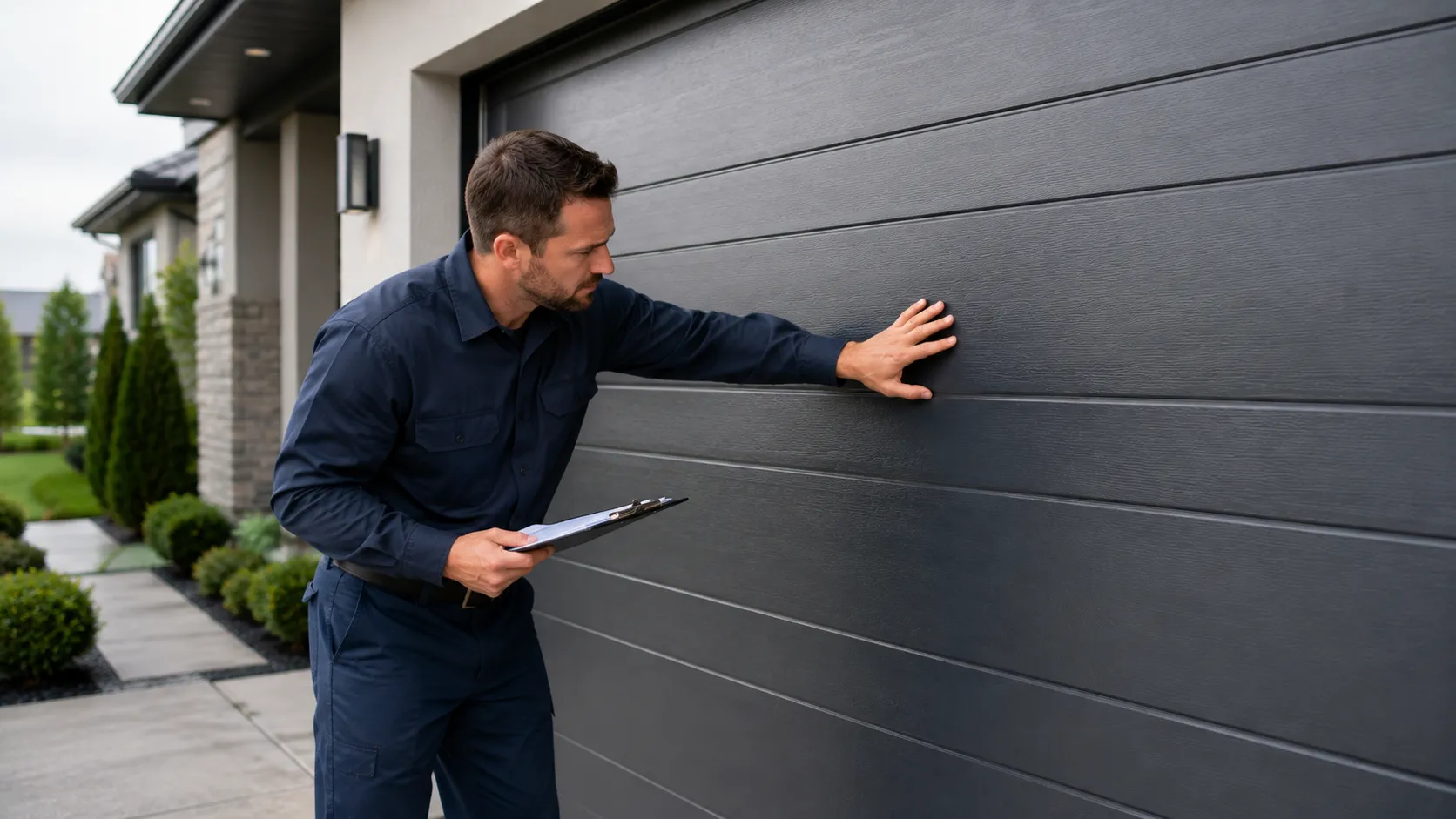
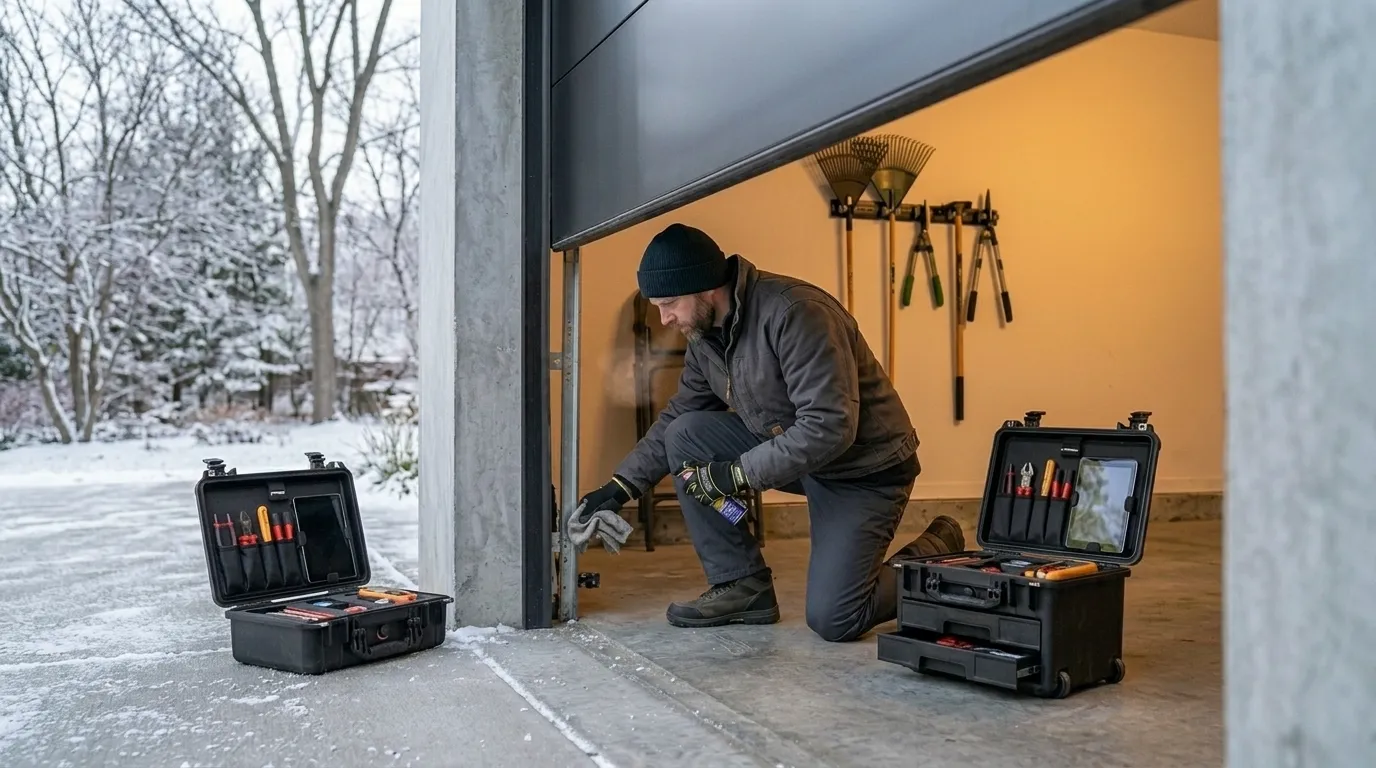
Milwaukee sits in a cold, severe climate band, and that's the thing that actually wears a garage door down faster than age does. Steel panels contract hard in deep cold and expand again on the thaw, and that cycle, repeated every winter for decades, is what causes seams to loosen and finishes to crack on older doors more than any single storm does. Torsion springs lose tension faster in cold garages, and openers with aging capacitors start hesitating in low temperatures before they fail outright.
If your door came in during that 1938-2000 build window, it's been through a lot of these freeze-thaw cycles already, and the wear shows up as slow response in January before it shows up as anything visible. A door that closed fine in September and starts sticking or dropping unevenly once the cold sets in isn't a coincidence - that's the cold finding the weak point that summer hid. This is also why we don't recommend judging a door's condition in July.
Test it on a cold morning if you can, because that's when a marginal spring or a tired opener actually tells you the truth.
The Situation
The service area here runs from the older, denser sections close to the city core - places like Avenues West, Menomonee Valley, and Harambee just a few miles out - to the 1960s and 70s subdivisions further from downtown, and out to nearby communities like Wauwatosa, Shorewood, and Glendale within about five miles. That range matters because the door situation is different depending on which era of house you're in. Closer to the core, doors tend to be older or already replaced once; further out in the newer postwar tracts, you're more likely to still be running the door the house came with.
Across roughly 38 named areas we see routinely, the pattern holds: most doors either match the house's original build year almost exactly, or they were swapped once, decades ago, and never touched again since. That second group is where we find the most doors that look fine but are actually running on a spring rated for a load the door no longer matches, because someone added insulation or a heavier panel at some point without upgrading the spring to match it.
What You Pay
We're not going to hand you a number here without a look at the door - what you pay depends on whether it's a spring, a section, an opener, or the whole unit, and that's true of any job. What we can tell you honestly is that older doors, especially anything close to the 1938-2000 range, sometimes carry panel sizes or track spacing that isn't standard anymore, and sourcing an exact-match replacement panel can take longer than swapping a modern one. That's a real limitation - if your door is old enough, we may tell you that patching it isn't worth the wait or the cost compared to replacing the section outright.
On the other side, a straightforward spring replacement on a common size doesn't have that problem and is usually the faster, cheaper fix. The honest answer is that a full inspection tells you more than any general estimate can, because two doors built the same year can be in completely different shape depending on how they were maintained through the winters here.
How We Can Help
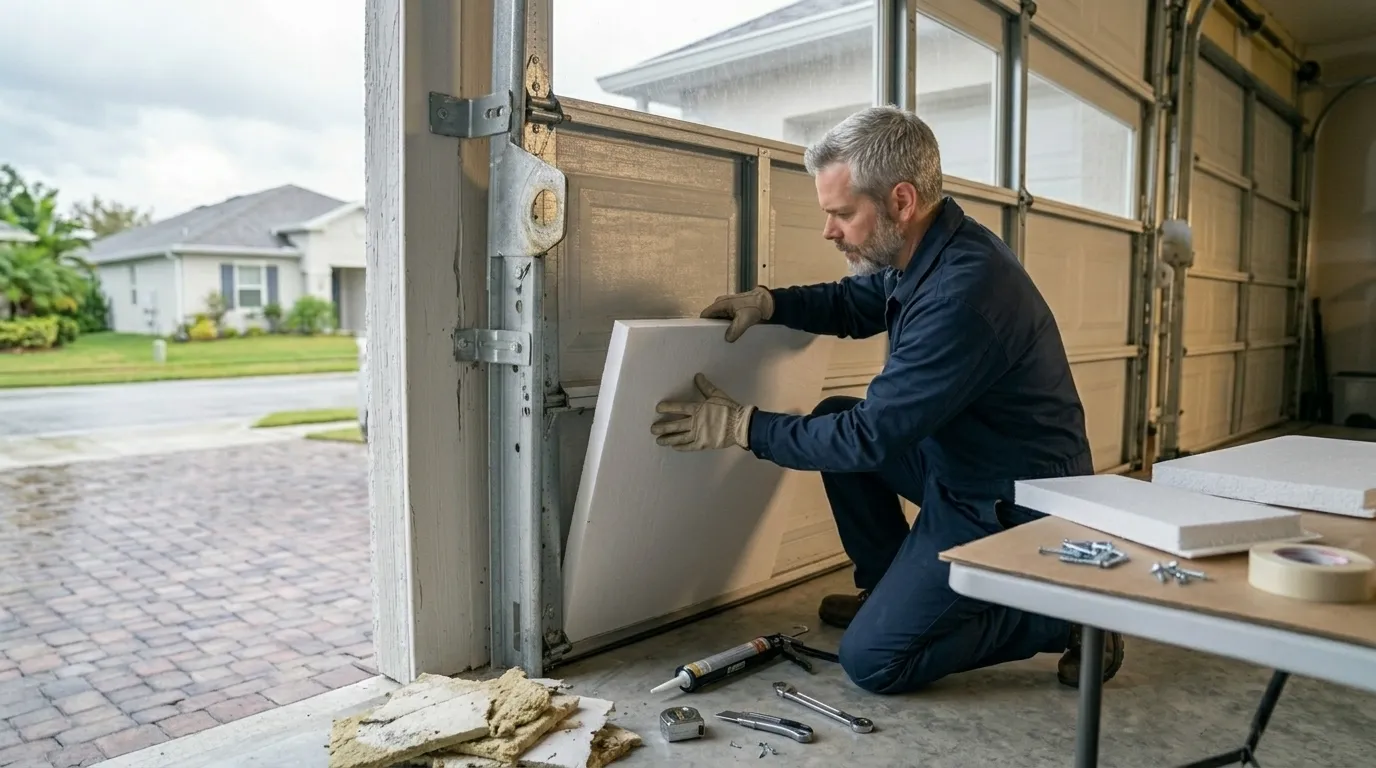
Garage Door Repair
Springs, cables, tracks, rollers, and openers fixed by a tech who explains the problem before touching anything.
Learn more →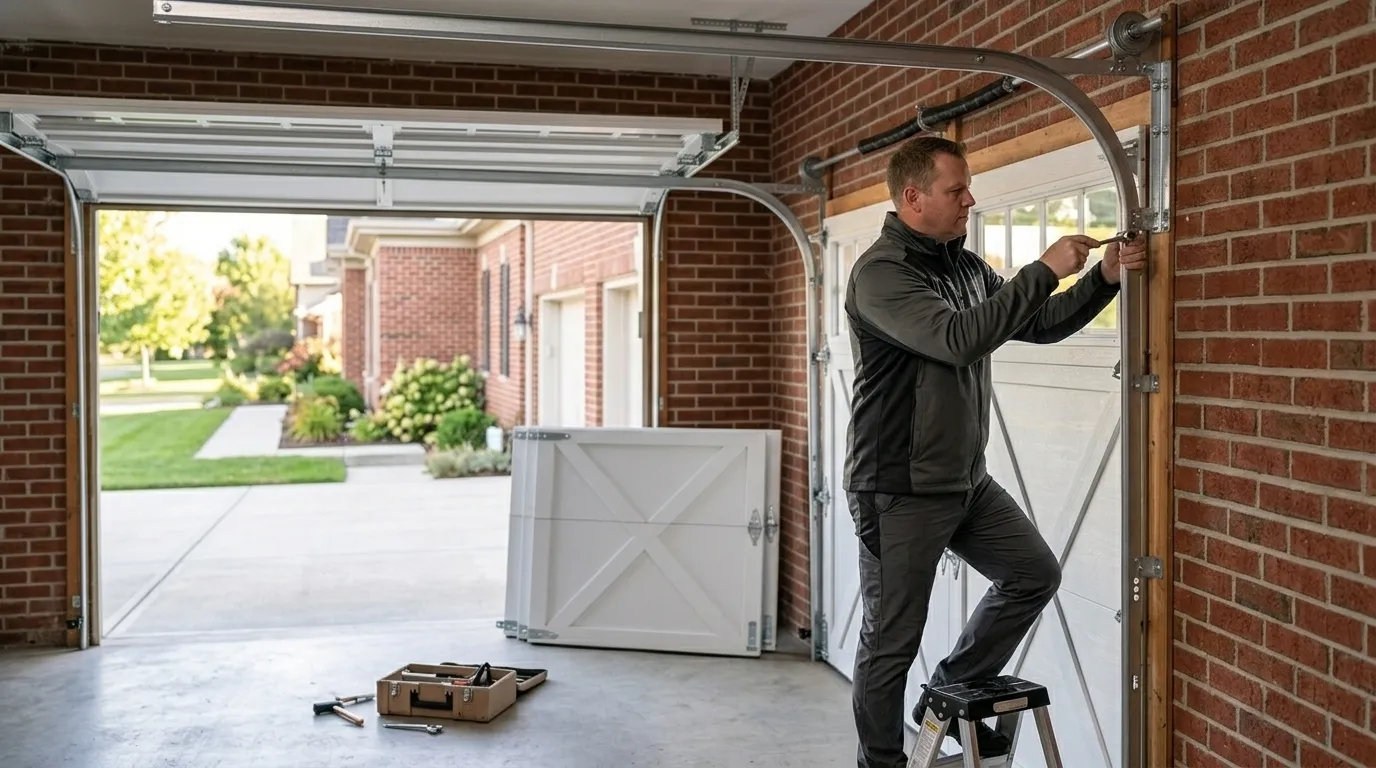
Garage Door Installation
New sectional doors sized and installed for the housing stock actually built in this area.
Learn more →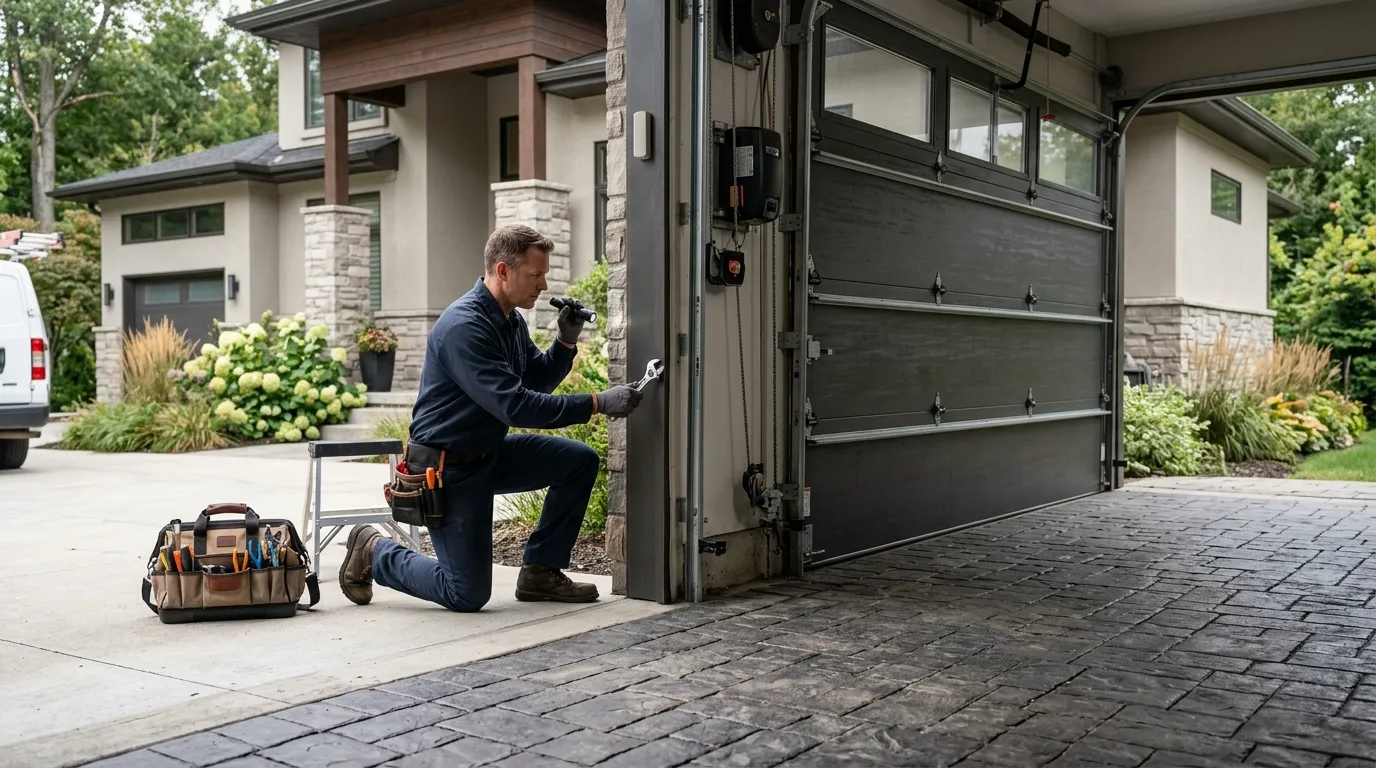
Garage Door Service
Tune-ups, lubrication, and safety checks that catch a small problem before it becomes a service call.
Learn more →Frequently Asked Questions
How do I know if my garage door is original to the house?
If your house was built between 1938 and 2000, there's a good chance the door has been swapped at least once, especially if the opener looks newer than the panels. Mismatched hardware - a modern opener bolted to an old torsion setup - is usually a sign of a partial replacement rather than an original install.
Does cold weather actually damage garage doors here?
Yes. Milwaukee's cold, severe climate puts steel panels and torsion springs through repeated freeze-thaw cycles every winter. That's harder on a door than age by itself, which is why doors often start acting up in January that seemed fine all summer.
Is it ever not worth fixing an old door?
Sometimes. If the panel size or track spacing on an older door isn't a standard match anymore, sourcing the exact part can take longer and cost more than replacing that section with current stock. We'll tell you straight if that's the case rather than stringing out a repair.
Do you work outside the immediate city area?
We cover the surrounding communities as well, including areas like Wauwatosa, Shorewood, and Glendale a few miles out, along with the neighborhoods closer to downtown. Reach out through our site to check your address.
Have a Door That Needs a Second Opinion?
Call and describe what it is doing - we will tell you what it likely is.