
Milwaukee, WI
Milwaukee Garage Door Guide
What We Check First, and Why It's Different Here
Milwaukee Garage Door Pros walks through the actual check-first order for a stuck or noisy door, tied to this city's 1960s-70s housing stock and severe cold winters.
- Licensed & Insured
- Same-Area Service Calls
- Upfront Pricing
Leaving It Alone
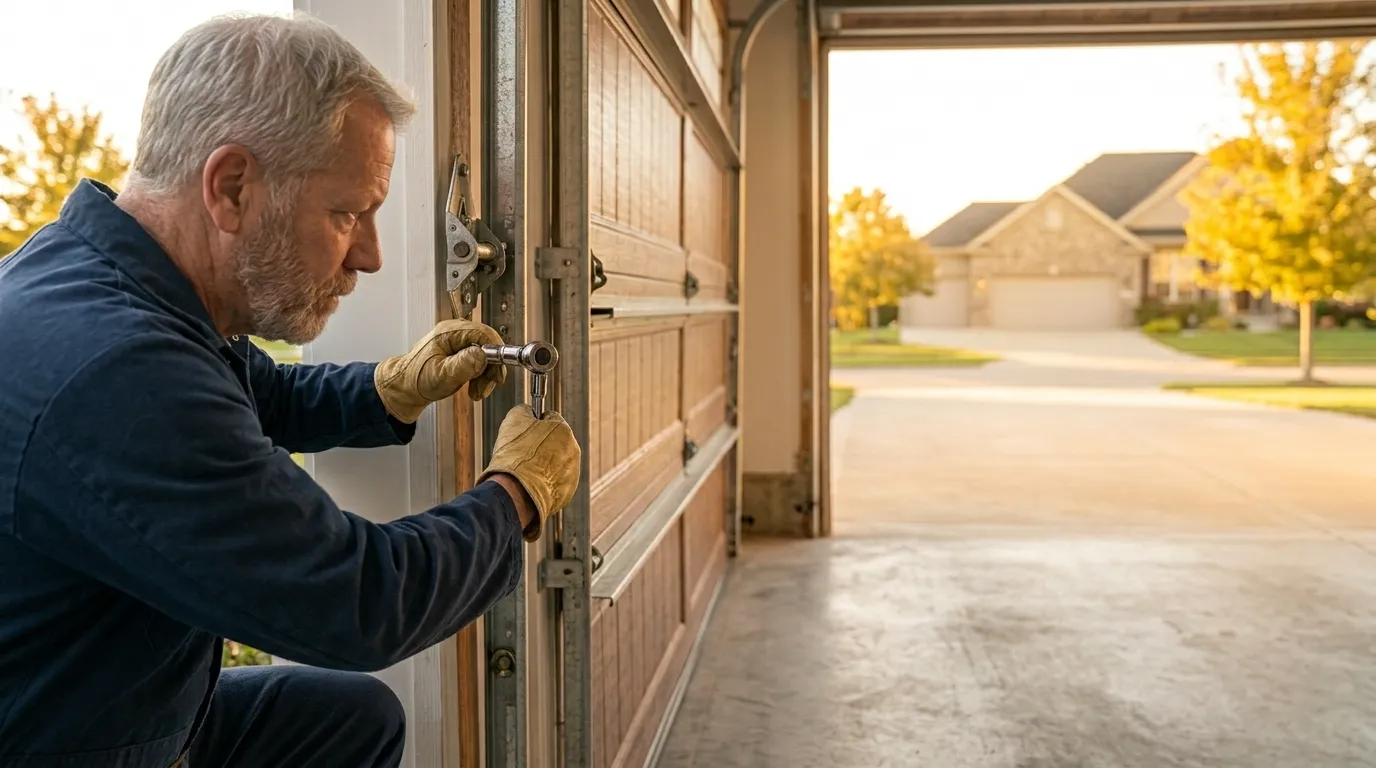
Before anyone touches a spring or a track, we look at when the door was hung, not just what it's doing. Most garages in this service area went up between 1938 and 2000, with the median sitting around 1971, so a lot of what we open still has the original torsion hardware from that era, sized to standards nobody uses anymore. If a door is fighting you, the first move is not to force the opener past it.
A motor that's straining against a bad spring will burn out the drive gear inside a season, and then you're paying for two repairs instead of one. We check the door by hand first, disconnected from the opener, to feel where the resistance actually lives. On a house from that build window, it's usually one of two things: the torsion spring has lost tension the way steel does after fifty winters of expansion and contraction, or the track has shifted slightly as the slab settled.
Neither of those gets better if you keep running the opener against it. The honest limitation here: we can't tell you which one it is over the phone. Anyone who quotes a fix before seeing the door is guessing.
What The Weather Here Does To It
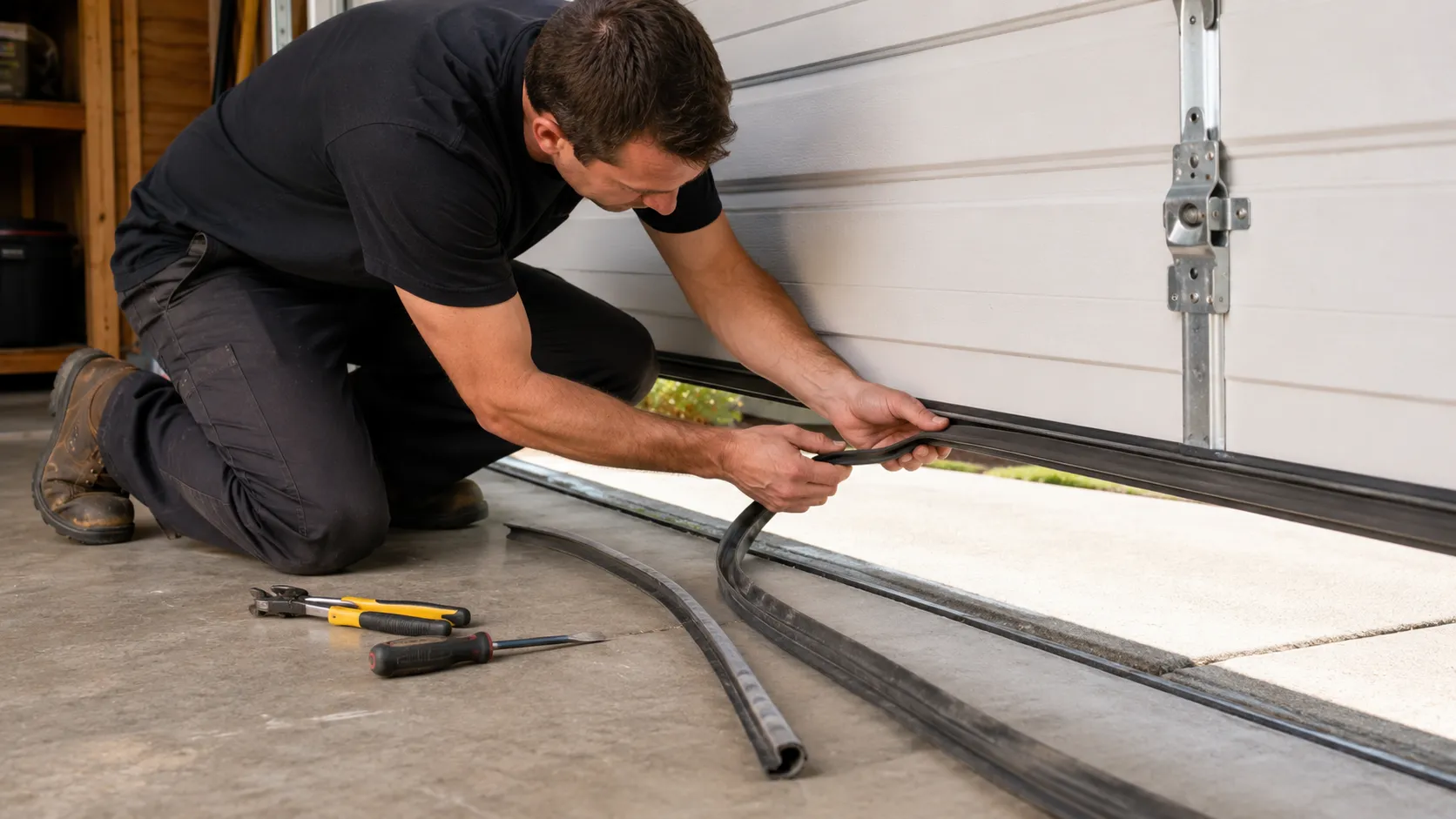
Milwaukee sits in the severe end of the cold climate band, and that's what turns an old spring from tired into broken. Steel loses flex as it gets cold, and a torsion spring that's already worn from forty or fifty years of cycling doesn't have much margin left when the temperature drops hard overnight. That's when we get the calls: a door that worked fine the evening before won't budge, or budges halfway and stops.
Cold also thickens whatever lubricant is left on the rollers and hinges, which is why a door can sound fine in August and grind in January even though nothing mechanical changed. We check lubrication condition and spring temper together, because in this climate they fail on the same schedule. Panel steel on older doors can also go brittle at the seams after enough freeze-thaw cycles, especially on doors that were never insulated to begin with, which was common on houses built before insulation codes tightened.
We don't push a full teardown on a door that's just stiff from cold. Sometimes the fix really is lubrication and a tension check, not a new door.
The Situation
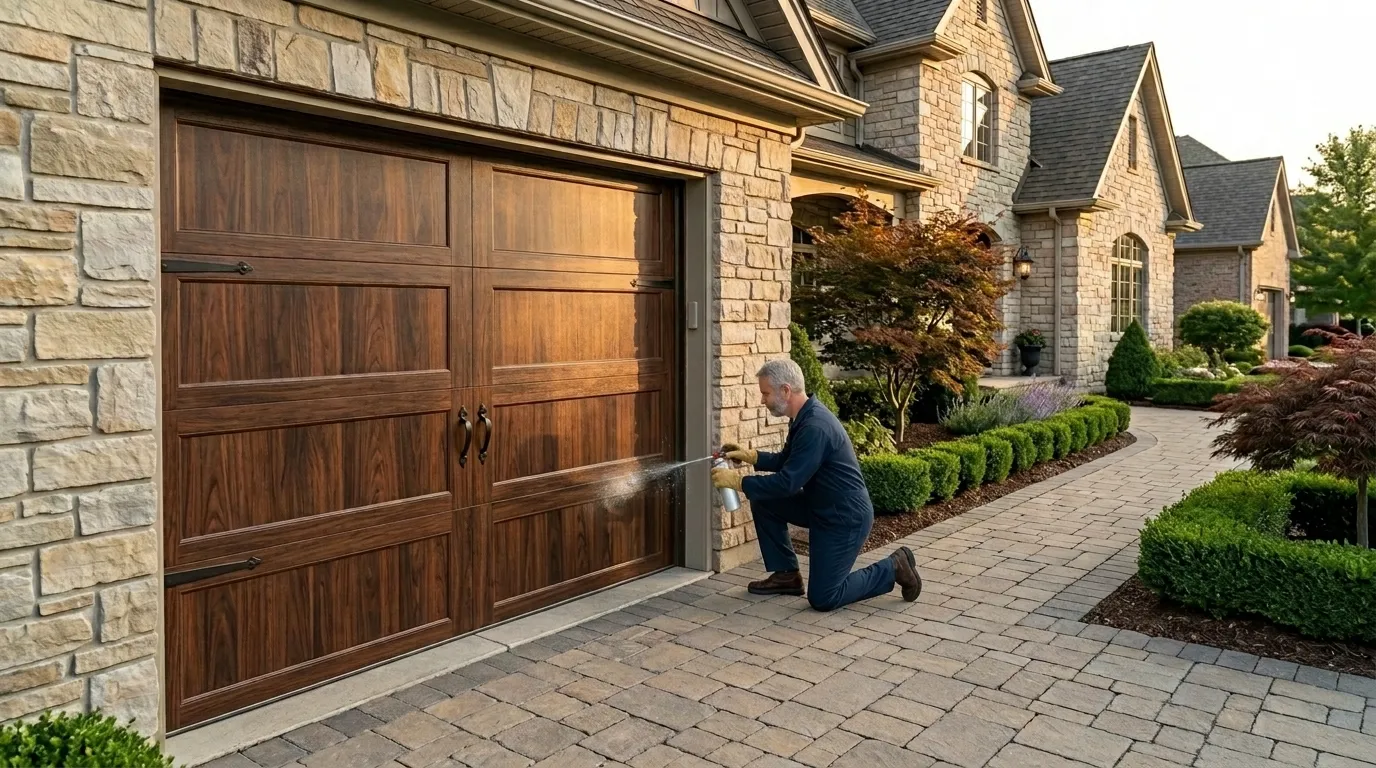
The housing stock across this service area breaks down pretty consistently: 1960s and 70s construction across the 38 named neighborhoods we work in, from Riverwest and Old North Milwaukee to Hales Corners and Franklin. That matters because doors and openers installed in that window were built to a different set of spring-sizing and safety-sensor standards than anything sold today. When we check a door in one of these homes, part of the job is figuring out whether the hardware is original, a mid-life replacement, or something patched together by a prior owner.
With 100,460 owner-occupied houses across the area, a huge share of them are past the point where factory lubrication and seals still do their job, and a fair number have had at least one opener swap without a matching hardware update. That mismatch is often the actual problem, not the part that's making noise. We check serial plates and spring wind direction before we touch anything, because guessing on a house this age means ordering the wrong part twice.
What You Pay
We don't have a set price to quote here, and we're not going to make one up. What a door costs to fix depends on what's actually wrong, how old the hardware is, and whether the fix is a spring or the whole assembly. At a median household income of $102,097, most owners here are deciding between a spring swap and a full replacement, not stalling on the decision entirely, which is the conversation we're set up to have.
What we can tell you: on a house from the 1960s or 70s, a straightforward torsion spring replacement is usually the smaller job, and it's the one we recommend first if the track and panels are sound. If the door itself is original and the steel has gone brittle from decades of Milwaukee winters, replacement starts making more financial sense than repeated repair. We'll tell you which situation you're in once we've looked at the door, not before.
How We Can Help
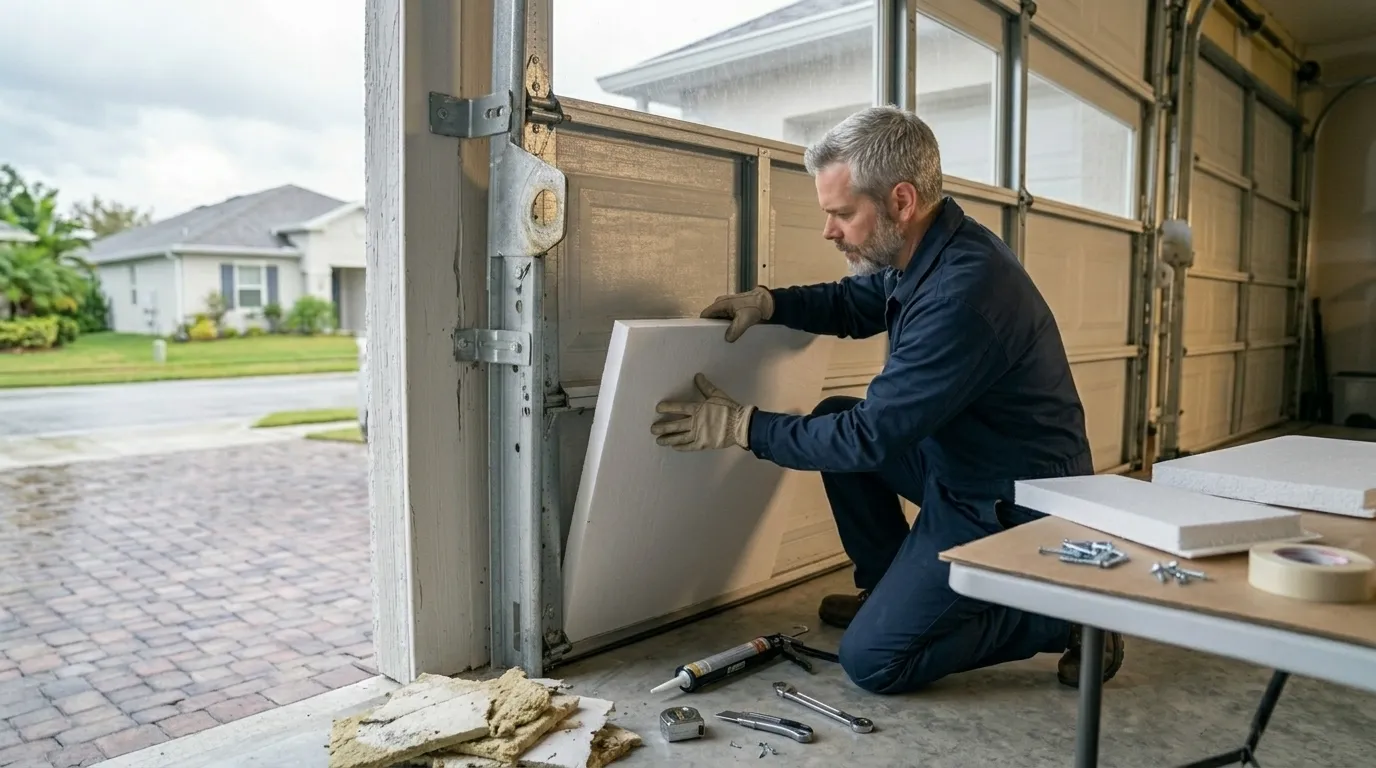
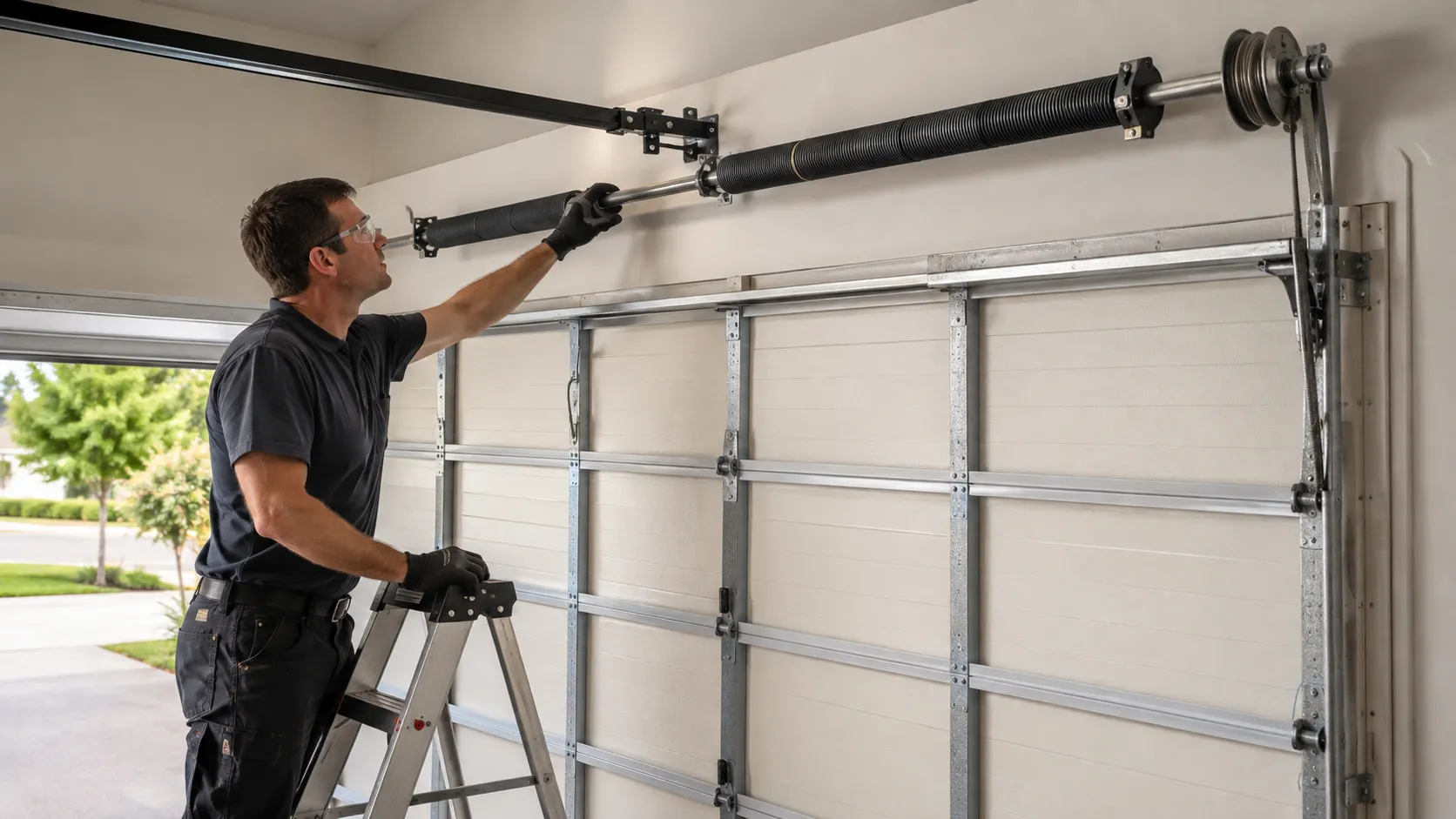
Garage Door Repair
Springs, cables, tracks, rollers, and openers fixed by a tech who explains the problem before touching anything.
Learn more →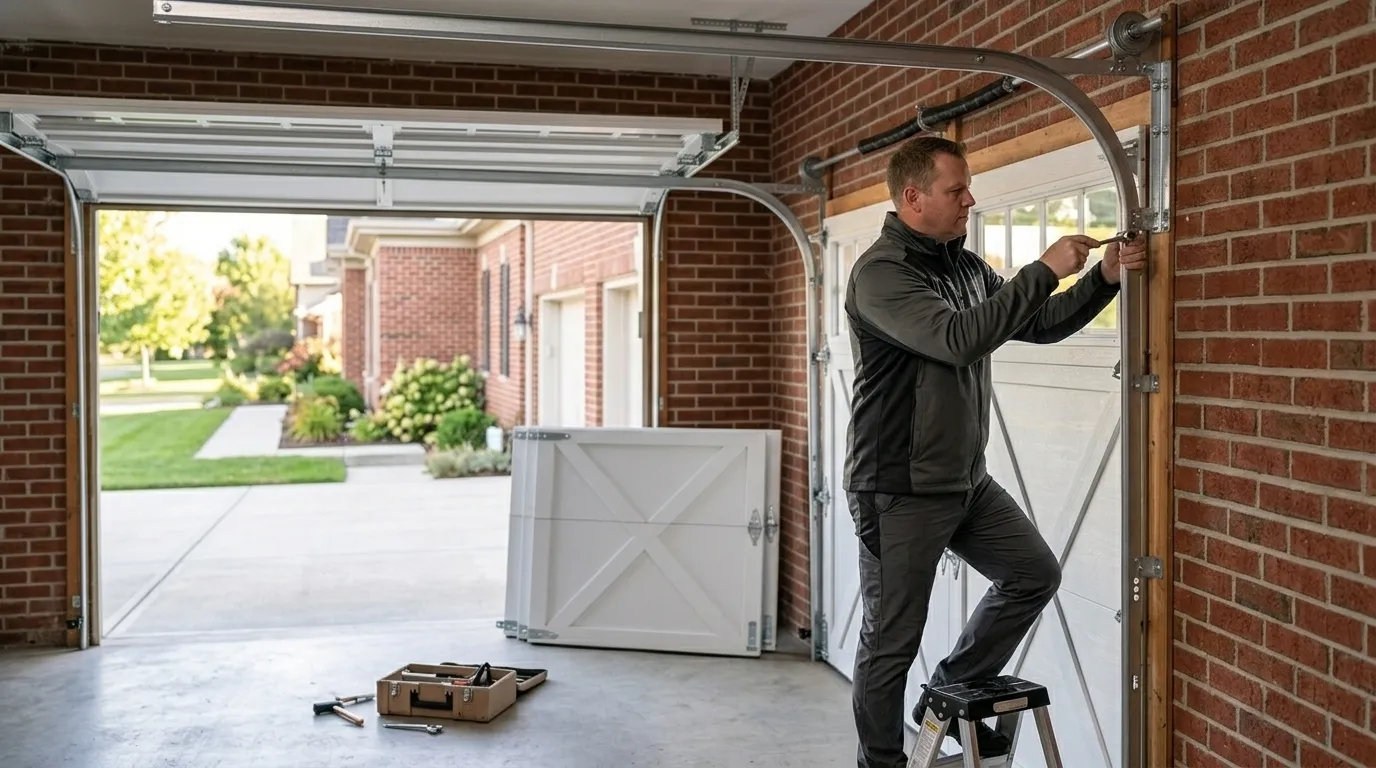
Garage Door Installation
New sectional doors sized and installed for the housing stock actually built in this area.
Learn more →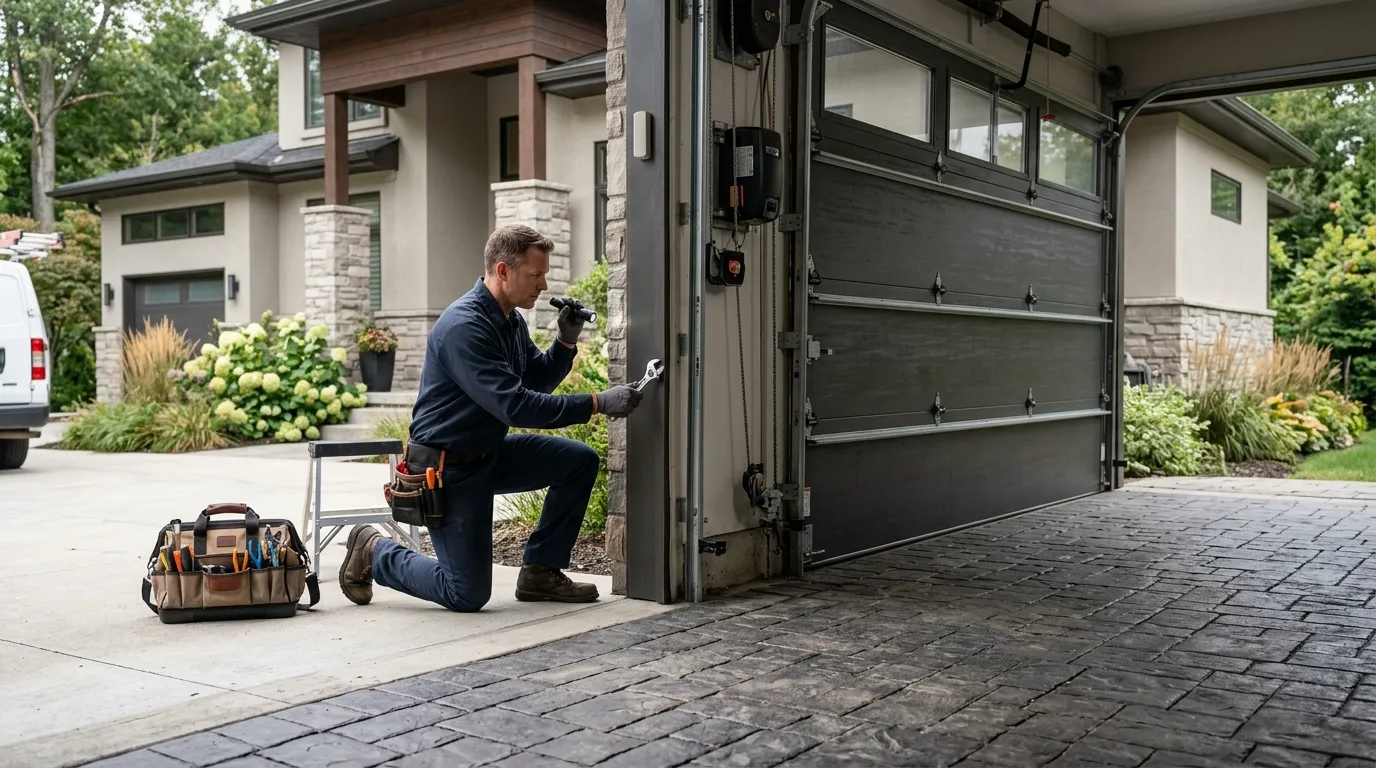
Garage Door Service
Tune-ups, lubrication, and safety checks that catch a small problem before it becomes a service call.
Learn more →Frequently Asked Questions
Why did my garage door spring break on the coldest night of the year
Steel loses flex as it cools, and a spring that's already worn from years of cycling has less margin left when temperatures drop hard. Milwaukee's cold sits in the severe band, which is exactly the kind of overnight swing that snaps a spring that was already near the end of its life.
Is my door's hardware original if my house was built in the 60s or 70s
Often, yes. Most homes in this service area were built between 1938 and 2000, with the median around 1971, and a lot of that original torsion hardware is still in place. We check the spring wind and hardware age before ordering parts, since standards have shifted since then.
Should I lubricate the door myself before calling
You can, and it sometimes solves a stiff or noisy door outright, especially after a cold snap thickens old lubricant on rollers and hinges. But if the door is hard to lift by hand with the opener disconnected, that's a spring issue lubrication won't fix.
Have a Door That Needs a Second Opinion?
Call and describe what it is doing - we will tell you what it likely is.