
Milwaukee, WI
Nearby Community
Garage Door Service for Hartland Homes
Hartland homes mostly date to the early 1980s, not the 1960s-70s stock common closer to Milwaukee. Our trucks travel 19 miles out for repair, spring, and opener calls.
- Licensed & Insured
- Same-Area Service Calls
- Upfront Pricing
When We Can Get There
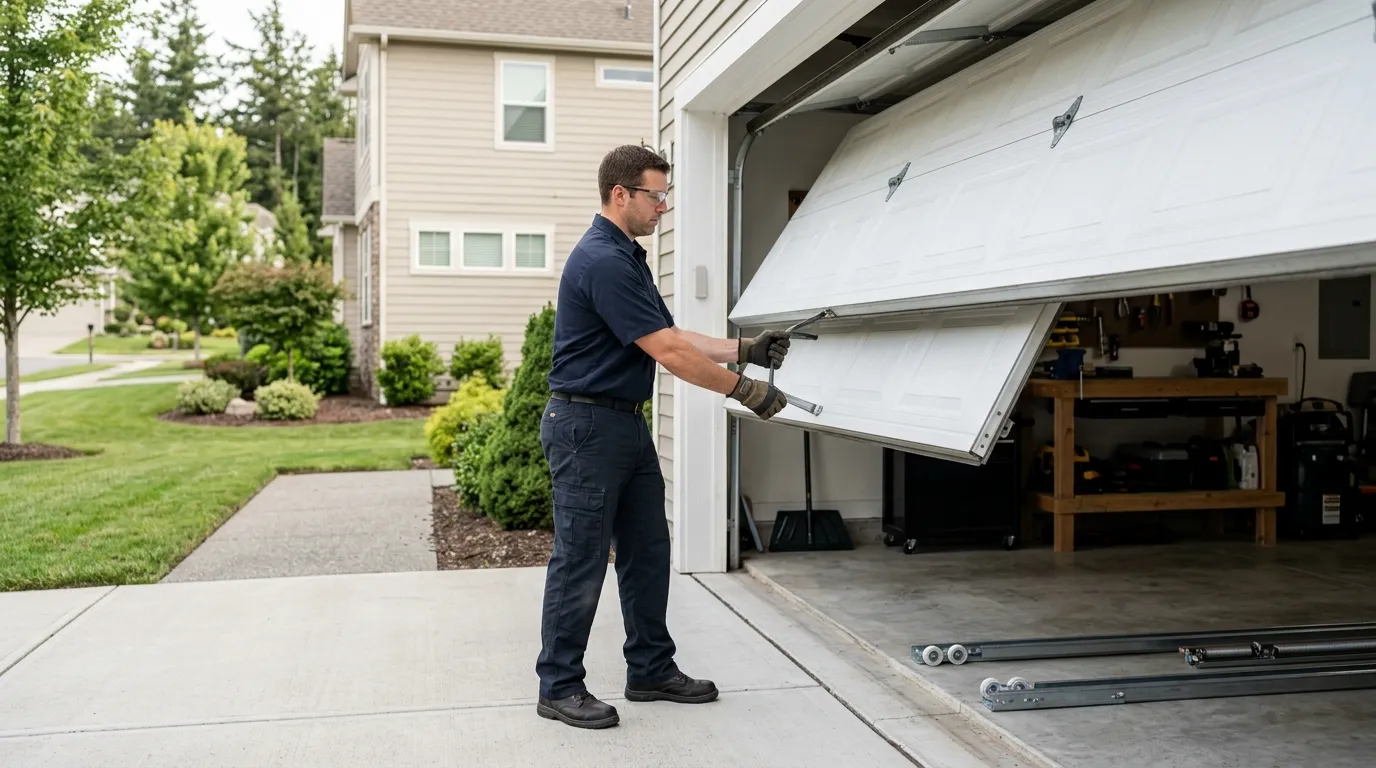
We run out of Milwaukee, and Hartland sits about 19 miles from there, so we're not sitting on a truck a few blocks away when you call. We don't want to pretend otherwise. What we can tell you is that we schedule the drive as part of the job, not as an afterthought, so when we say we're coming, the trip is already accounted for.
If a spring lets go on a Tuesday morning, plan for that mileage to be part of how the day works, not a surprise once we're already talking price. We'd rather be straight about the distance than promise a same-hour arrival we can't back up from across the county. Once we're on-site, the work itself doesn't change because of where you live - a broken cable gets replaced the same way whether the house is four miles out or nineteen.
The honest limitation here is simple: this isn't a neighborhood with a depot around the corner. It's a service call we drive to, every time.
What Was Built Here
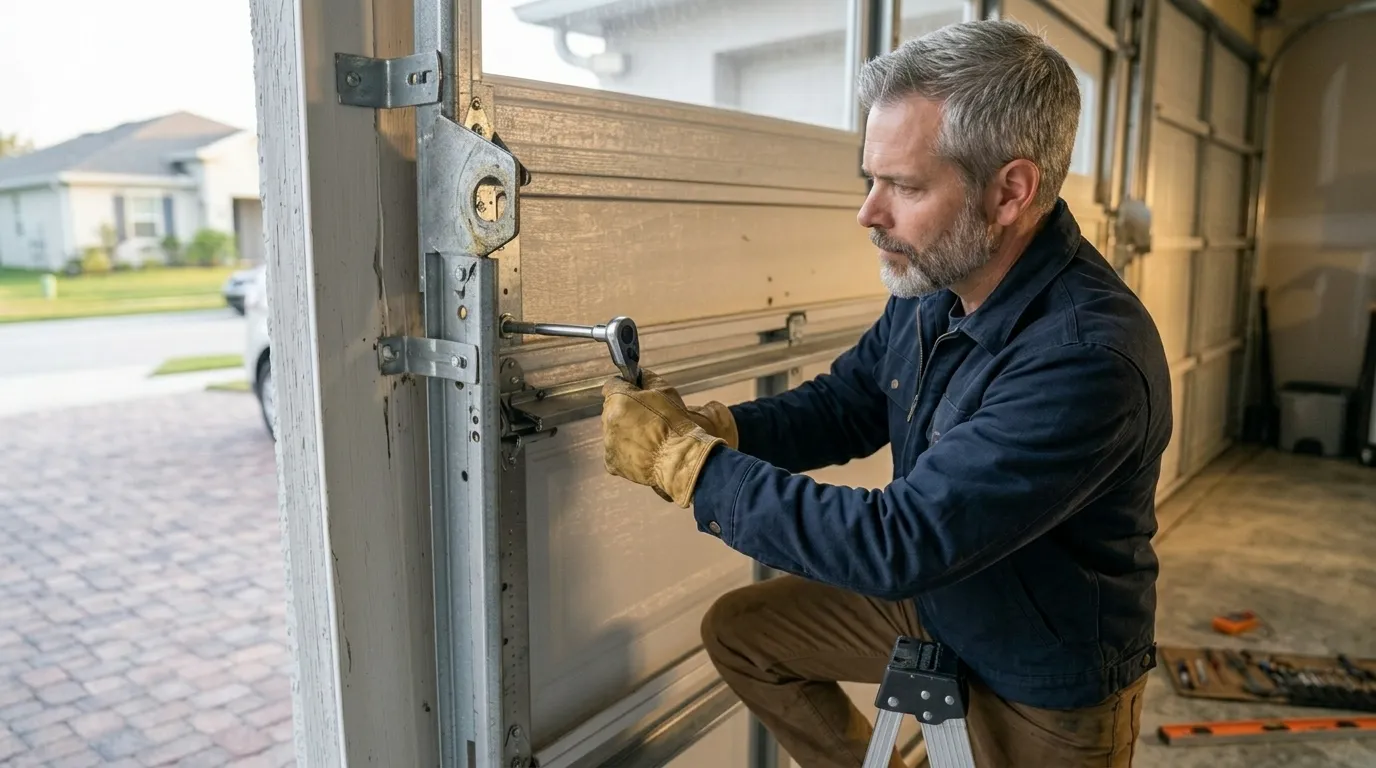
Hartland's housing stock centers on 1982, which puts a lot of these garages a full decade or more past the 1960s-70s construction that dominates much closer to Milwaukee. That gap matters more than it sounds like it should.
A house built in 1982 was framed for a different standard garage door opening, different header heights, and - critically - for the extension and torsion spring hardware that was common by the early '80s, not the older reduced-clearance setups still found on the earlier stock nearer the city. With roughly 3,975 households in the area and a median income of $87,297, this isn't a neighborhood of teardown-and-rebuild flips; a lot of these are original garages still running original track and rail from the build date, just aging into the point where springs and rollers wear out on schedule rather than by accident.
What the Housing Means for Your Door
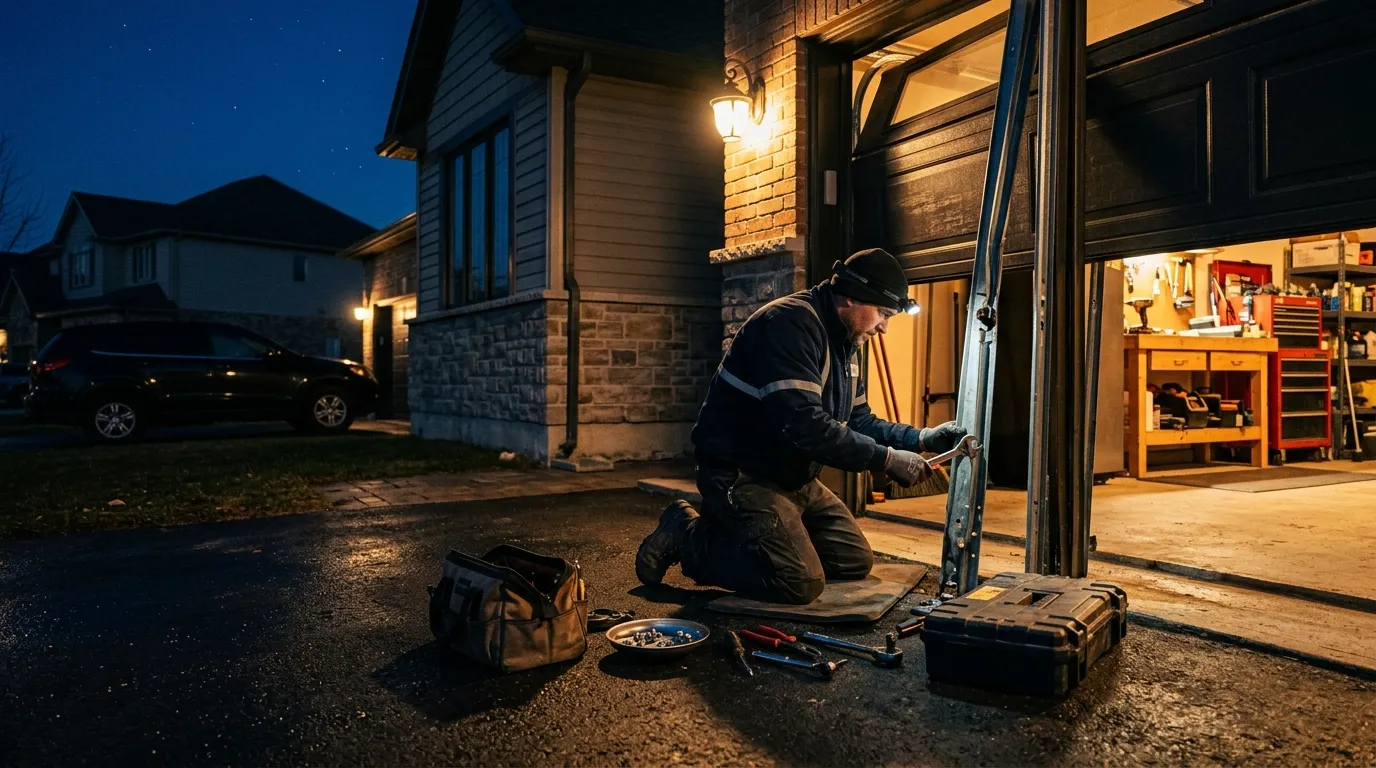
An early-1980s garage typically means a steel sectional door on a torsion spring mounted on a center shaft above the opening, not the older side-mounted or one-piece setups you'd find on housing stock from the 1960s. That's mostly good news for repair - parts for this era are still made and stocked, unlike the discontinued hardware on much older doors. Where it gets tricky is the openers: houses from this build period have often been through two or three opener generations already, chain-drive units from the '80s and '90s replaced piecemeal, which means mismatched wiring, wall buttons wired for units that no longer exist, and safety sensors bolted on after the fact rather than built in.
Winters here fall into a cold, severe climate band, and steel doors from this era weren't built with the insulation standards that came later - expect stiffer springs in January, slower closes, and more strain on an aging opener motor during the coldest stretches. We won't tell you to replace a door that's still sound just because it's forty years old; a torsion spring swap and a track adjustment often solves what looks like a bigger problem.
Old Streets and New Ones
Nineteen miles out from Milwaukee, Hartland reads less like a suburb and more like its own settled town, and the garage doors reflect that - most of what we see traces back to a single building era rather than layers of infill from different decades. That consistency actually makes diagnosis faster: when we know a house is 1982-vintage, we already have a good idea what spring size, what track gauge, and what opener mounting style we're walking into before we're out of the truck. Newer construction on the edges of town will run different hardware entirely, closer to what we install today, so age still tells us more here than street name does.
We service the area as we find it - older torsion setups getting a spring or cable repaired, and newer builds getting standard maintenance or opener work. Either way, the drive from Milwaukee is the same; what changes house to house is what's actually holding the door up.
How We Can Help
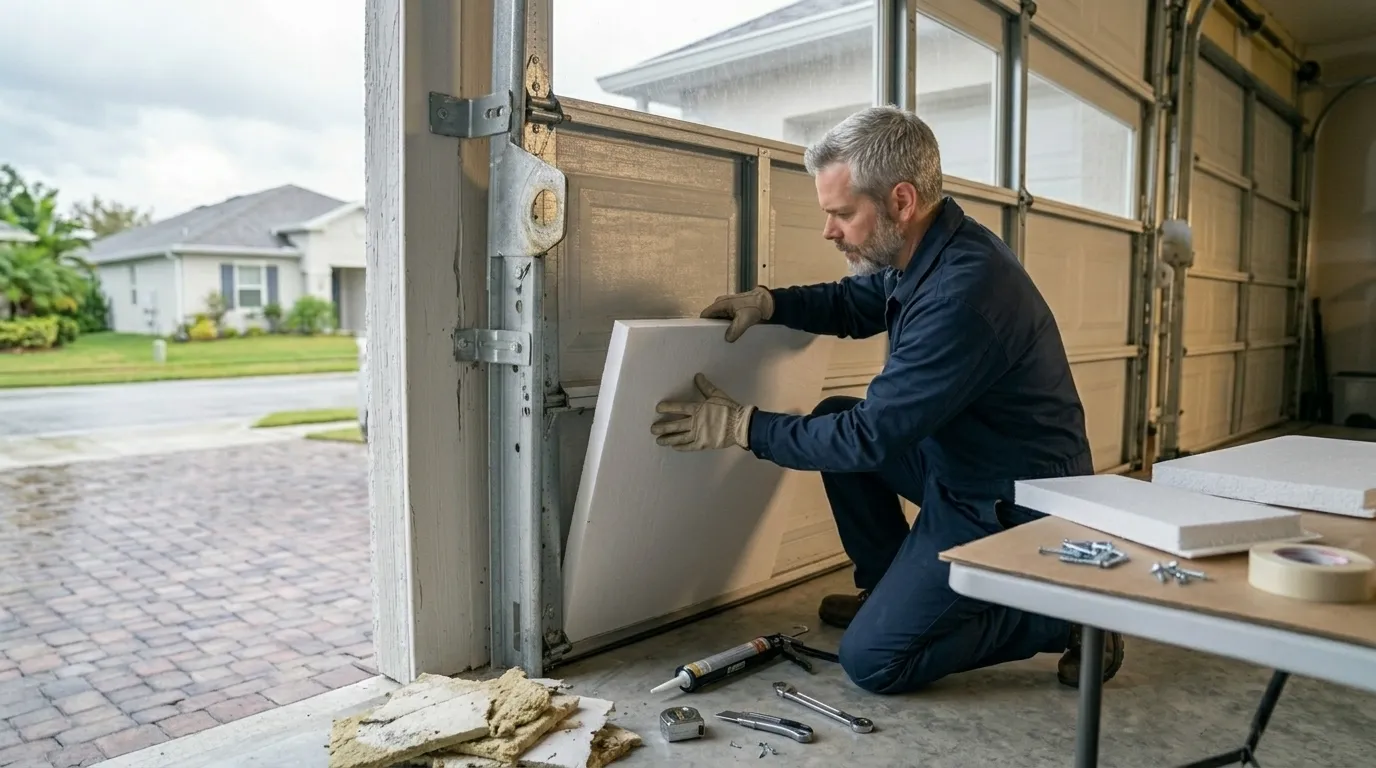
Garage Door Repair
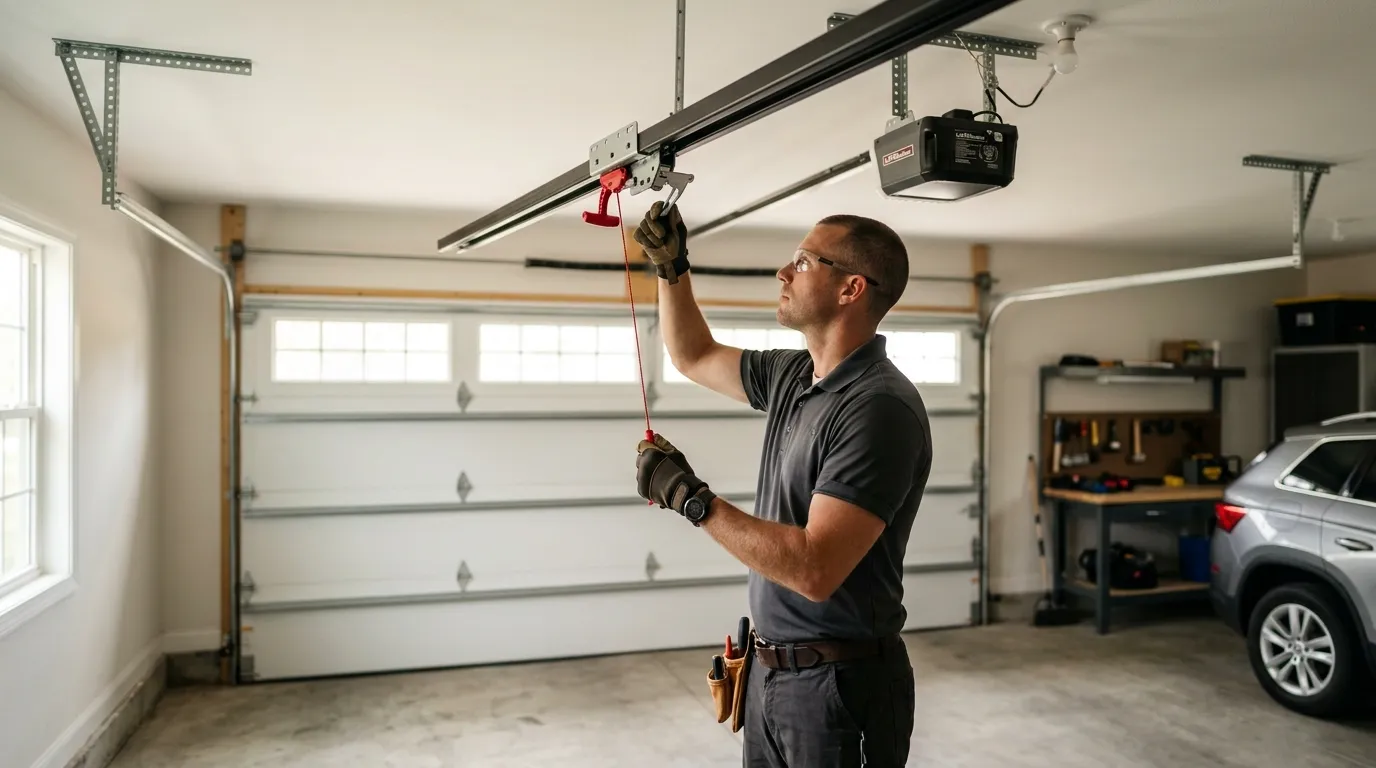
Springs, cables, tracks, rollers, and openers fixed by a tech who explains the problem before touching anything.
Learn more →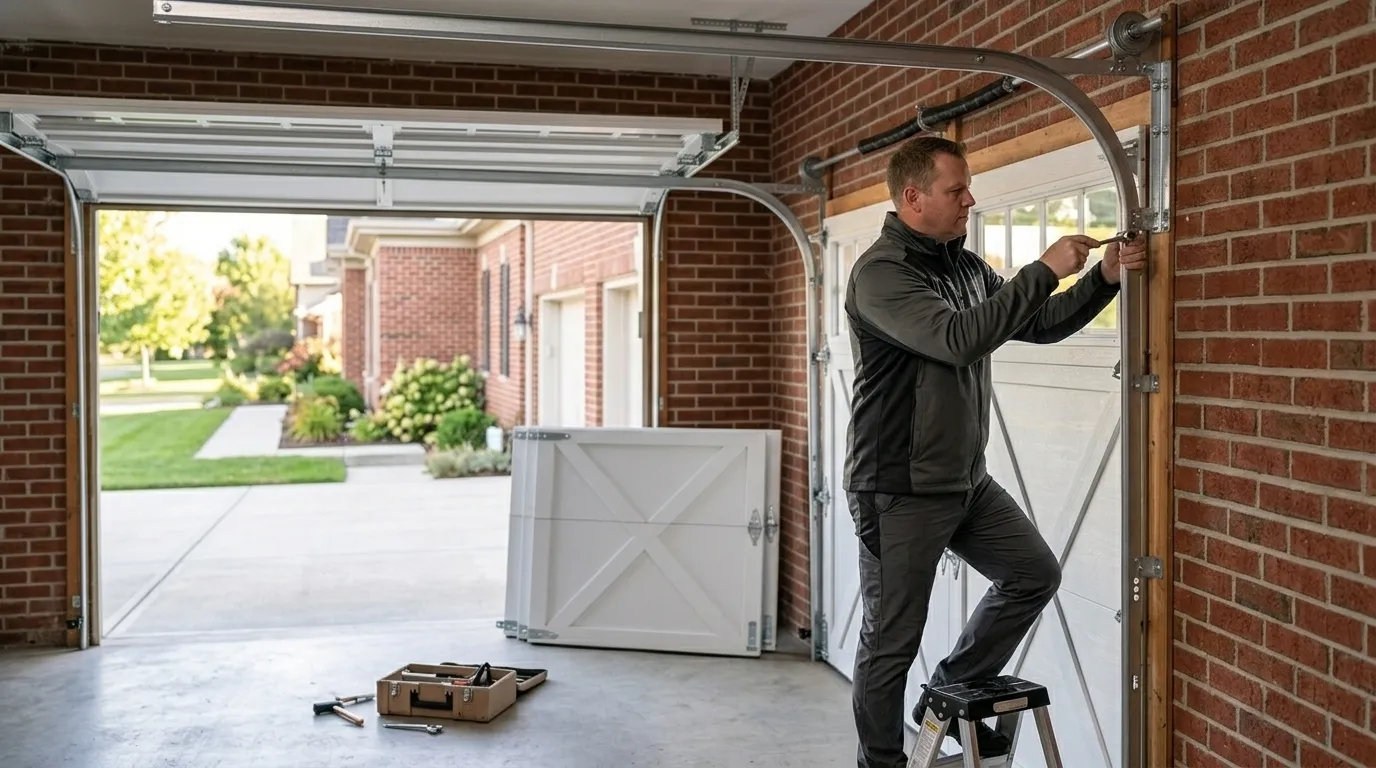
Garage Door Installation
New sectional doors sized and installed for the housing stock actually built in this area.
Learn more →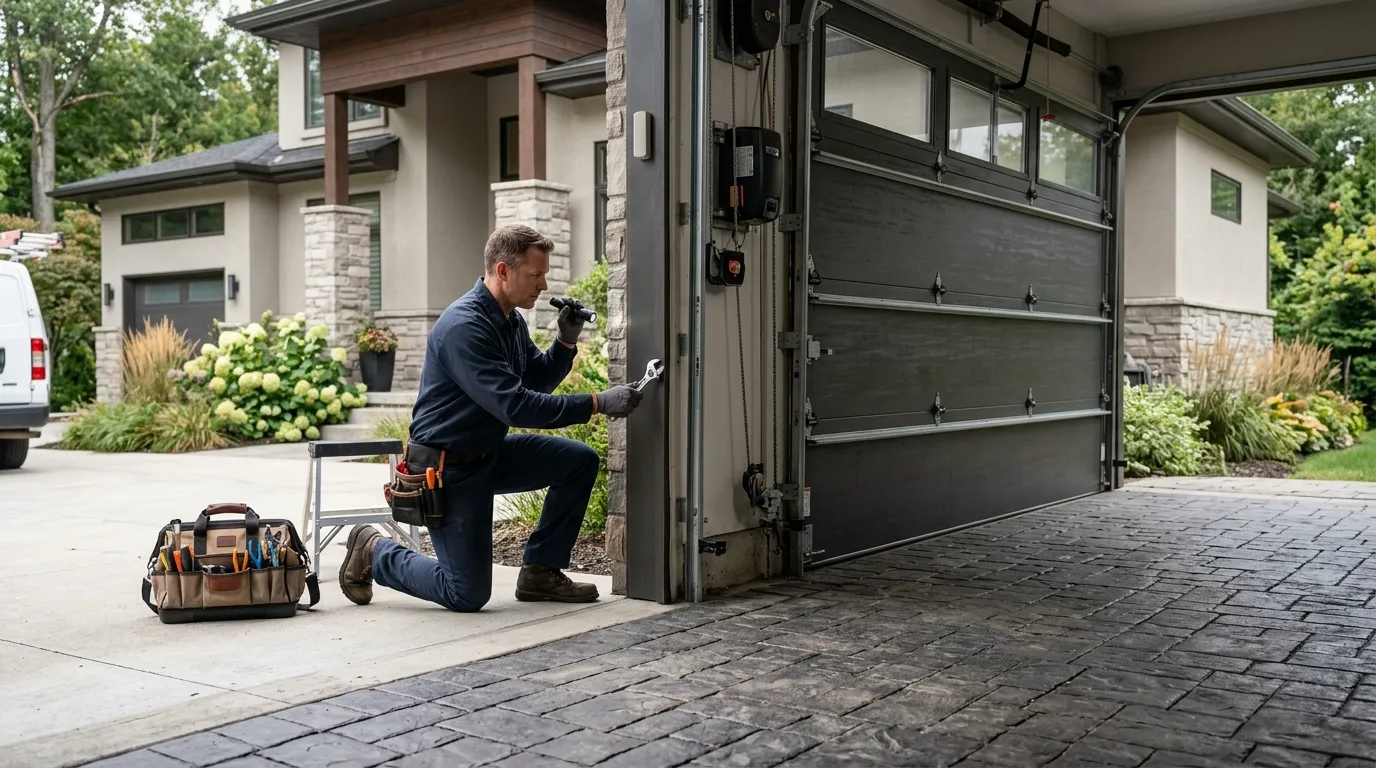
Garage Door Service
Tune-ups, lubrication, and safety checks that catch a small problem before it becomes a service call.
Learn more →What Happens When You Call
-
1
Call or Request a Quote
Tell us what the door is doing and roughly how old the house is - that alone points us toward the likely part before a truck leaves.
-
2
On-Site Diagnosis
A tech checks the spring, cables, tracks, and opener in person and tells you plainly what is actually wrong.
-
3
Straight Price, No Surprises
You get a number before any work starts. It covers parts and labor, nothing added after the fact.
-
4
Fixed the Same Visit
Most repairs are done in one trip. If a part needs sourcing, we tell you that upfront instead of guessing.
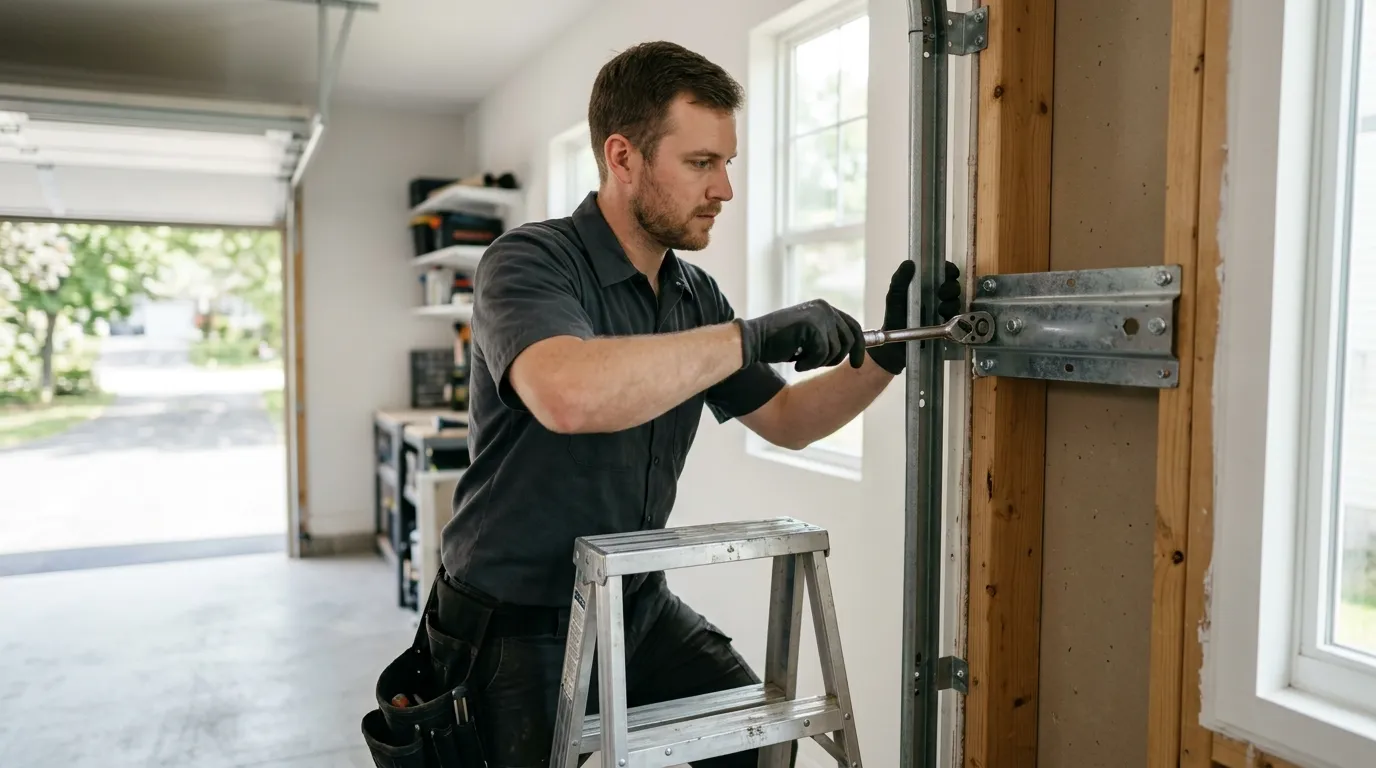
Recent Work Near Hartland
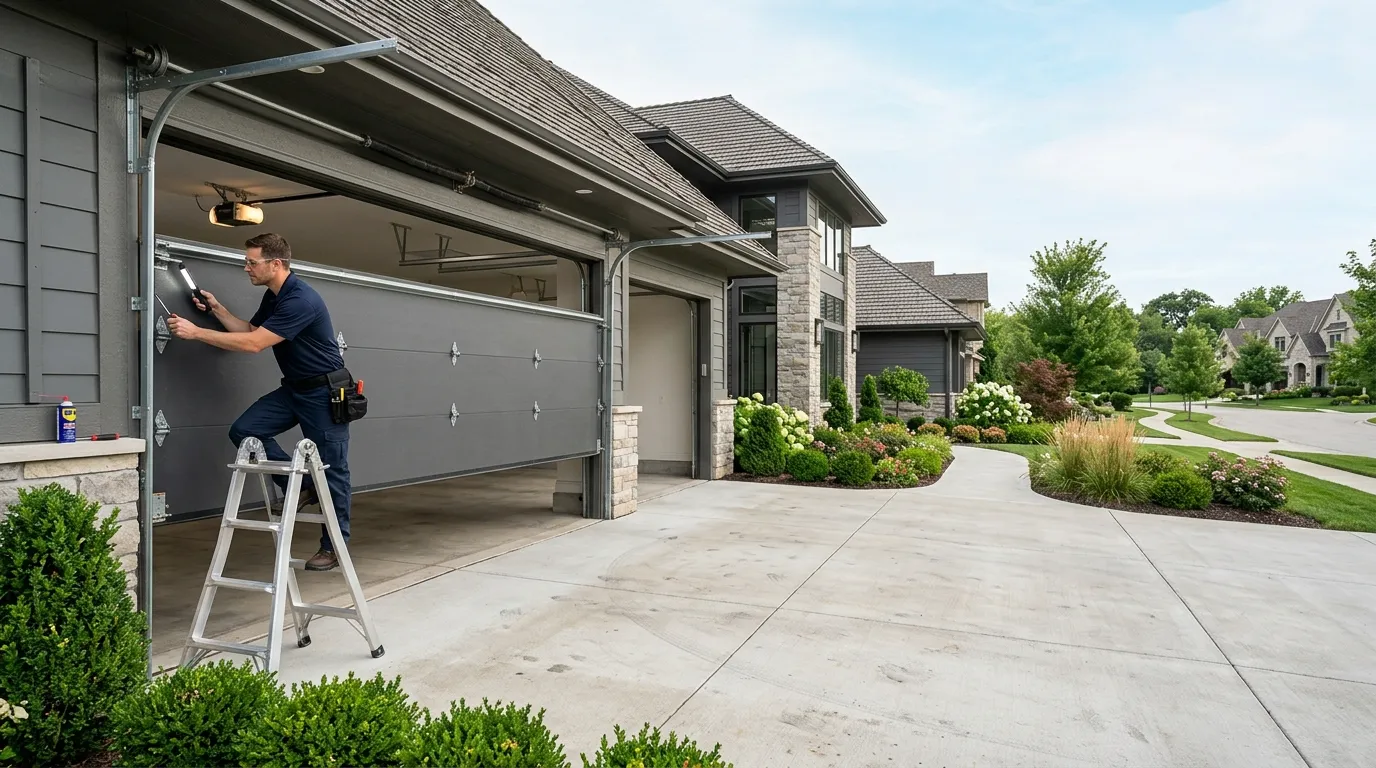
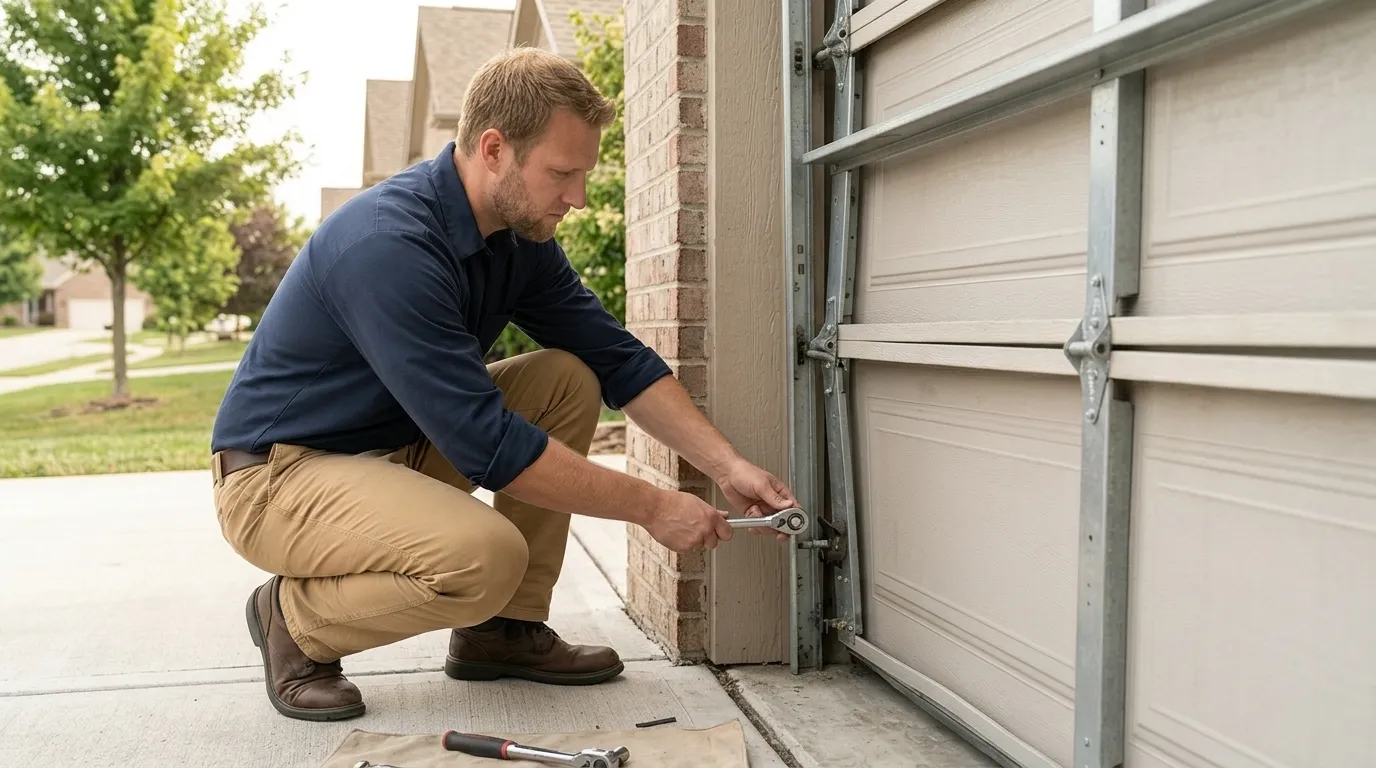
Frequently Asked Questions
Do you have a location in Hartland?
No. We run out of Milwaukee and drive out to Hartland, about 19 miles, for every call. We don't have a local depot or staging point here, so factor the drive time into your expectations when you schedule.
Why does my 1980s garage door use different parts than my neighbor's older house?
Hartland's housing centers on 1982, but building eras vary house to house. A torsion spring mounted on a center shaft, common by the early '80s, uses different hardware than older side-mounted spring setups. We check the actual door before quoting, not just the neighborhood's typical build year.
Does the cold affect an older garage door opener here?
Yes. The area falls in a cold, severe winter climate band, and steel doors and motors from the early '80s weren't built with today's insulation or cold-start standards. Expect stiffer spring tension and slower opener response on the coldest days, especially on original hardware.