
Milwaukee, WI
Nearby Community
Garage Door Service for Greenfield Homes
Serving Greenfield from Milwaukee, 7 miles out. We know the 1973-era doors and torsion hardware common on this side of town and what cold-weather use does to them.
- Licensed & Insured
- Same-Area Service Calls
- Upfront Pricing
When We Can Get There
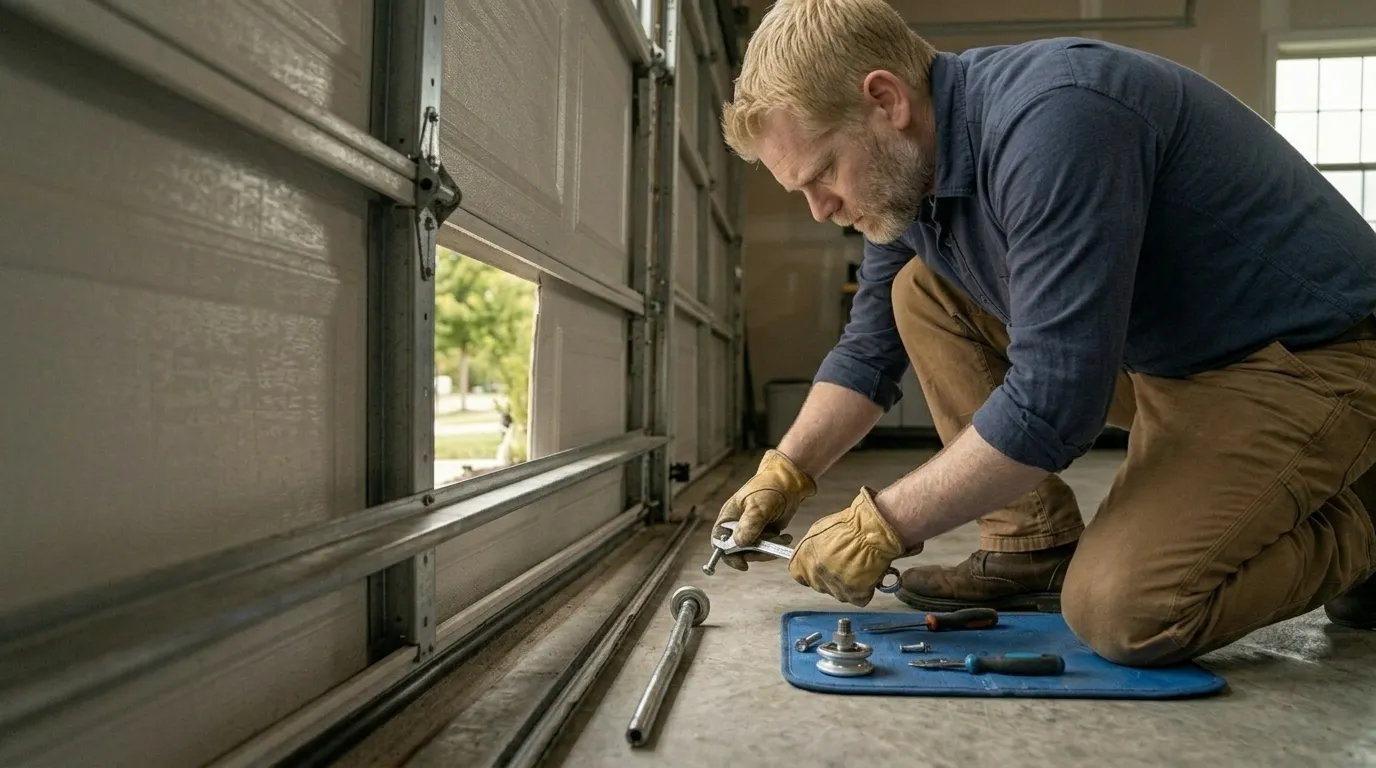
We run out of Milwaukee, and Greenfield sits about 7 miles from our base - close enough that it's a regular stop, not a special trip. We don't keep a depot in Greenfield itself, so we're not going to promise you a same-hour window or a fixed response time we can't back up. What we can tell you is that the distance is short enough that it doesn't add much to the job, and we schedule Greenfield calls alongside the rest of that side of the county rather than treating it as an outlying stop.
If you're comparing us to a shop that's physically closer, that's fair. What we bring instead is familiarity with the housing stock on this side of the metro - Greenfield's homes, and the doors that came with them, look a lot like what we see across dozens of similar-era neighborhoods we already work in. That matters more than a shorter drive once you're standing in front of a broken spring.
What Was Built Here
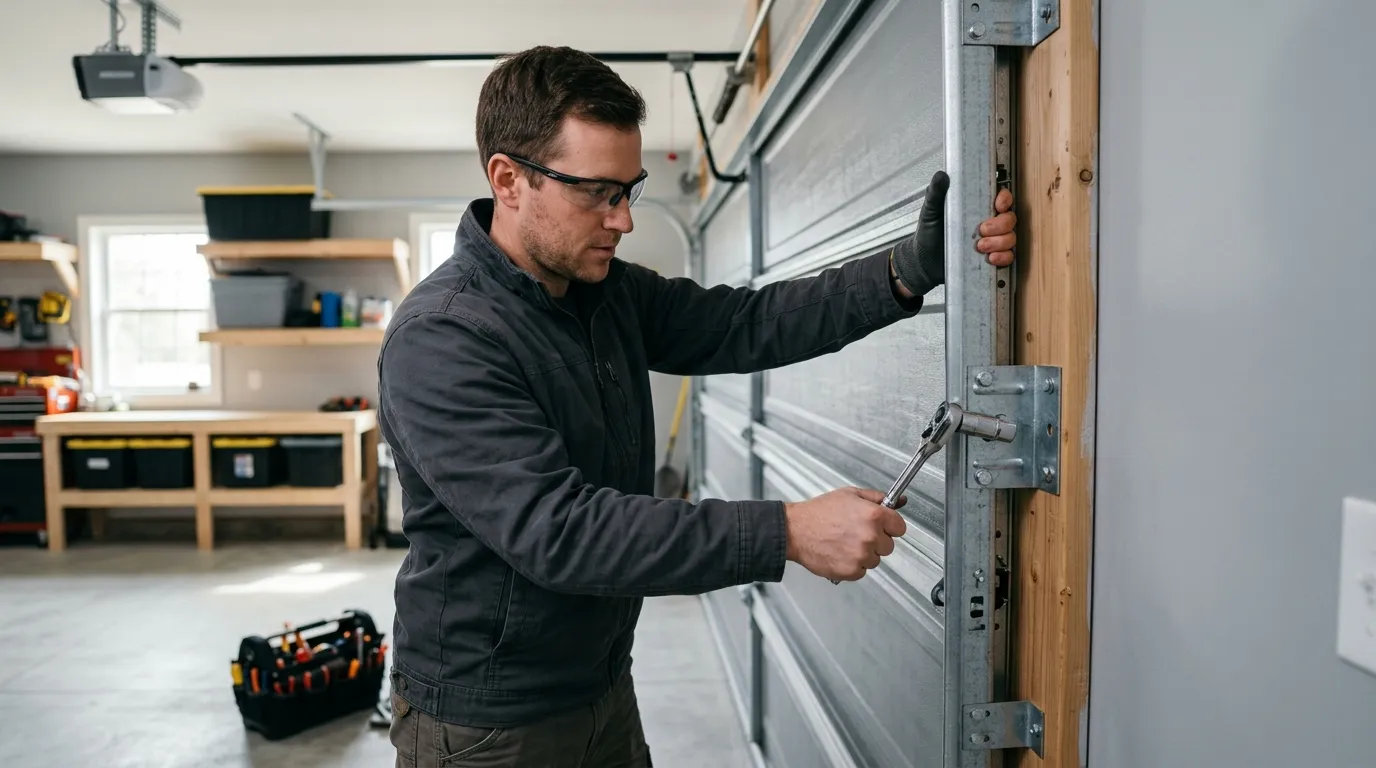
Greenfield's housing centers on 1973, a few years past the wider service area's median of 1971. That's a small gap on paper, but it lands you squarely in early-70s construction - post-ranch-boom, pre-energy-crisis retrofits, back when garage doors were still commonly single-layer steel or wood-panel, hung on hardware built for a lighter door and a shorter service life than what's sold today.
With 17,440 households in Greenfield and a median income of $69,016, this isn't a neighborhood of teardown-and-rebuild lots. Most of the original garages are still standing, still carrying whatever opener and spring setup went in during a remodel sometime in the last few decades, not a full system swap. That's the pattern we plan around here: aging hardware on a structure that itself hasn't changed much since it went up.
What the Housing Means for Your Door
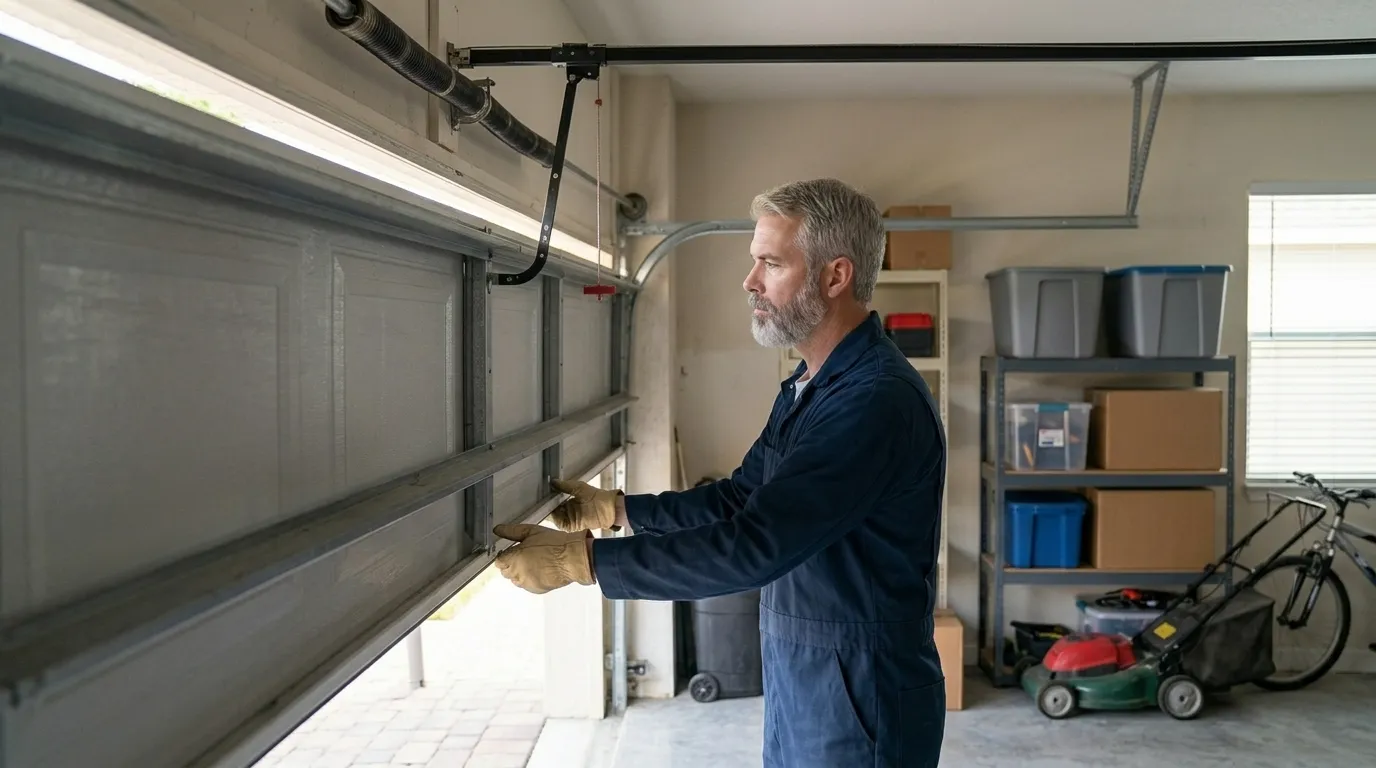
A garage built in 1973 was not engineered around today's insulated steel doors or the openers rated for them. The tracks are often narrower, the header framing lighter, and the torsion spring, if it's original, has long outlived any reasonable duty cycle. When a Greenfield homeowner calls about a door that's suddenly heavy to lift by hand, or an opener straining and burning out early, the cause is usually that mismatch - new-ish opener, old frame and spring sizing.
The service area sits in a severe cold climate band, and that matters more on older doors than newer ones. Metal contracts, lubricant thickens, and a spring already near the end of its cycle count is exactly what fails on the first hard cold snap. We don't replace a spring that still has life in it just because the door's old - but if you're calling us about noise or drag on a door from this era, we're checking the spring and the track alignment first, because that's where 1973-era doors actually fail.
Old Streets and New Ones
Greenfield doesn't read as one uniform block of houses - the age and layout shift enough street to street that we don't assume every job looks the same before we see it. What holds across most of it is the era: homes built close enough to that 1973 median that the same door and hardware questions come up again and again, regardless of which particular block we're on.
We're honest that we don't have a list of specific streets or subdivisions to point to here - what we go by is the housing data and what we find on site. If your home's had a garage addition or a full rebuild more recently than the rest of the block, the calculus changes, and we'll tell you that instead of assuming it's original 1973 stock just because the house next door is.
How We Can Help
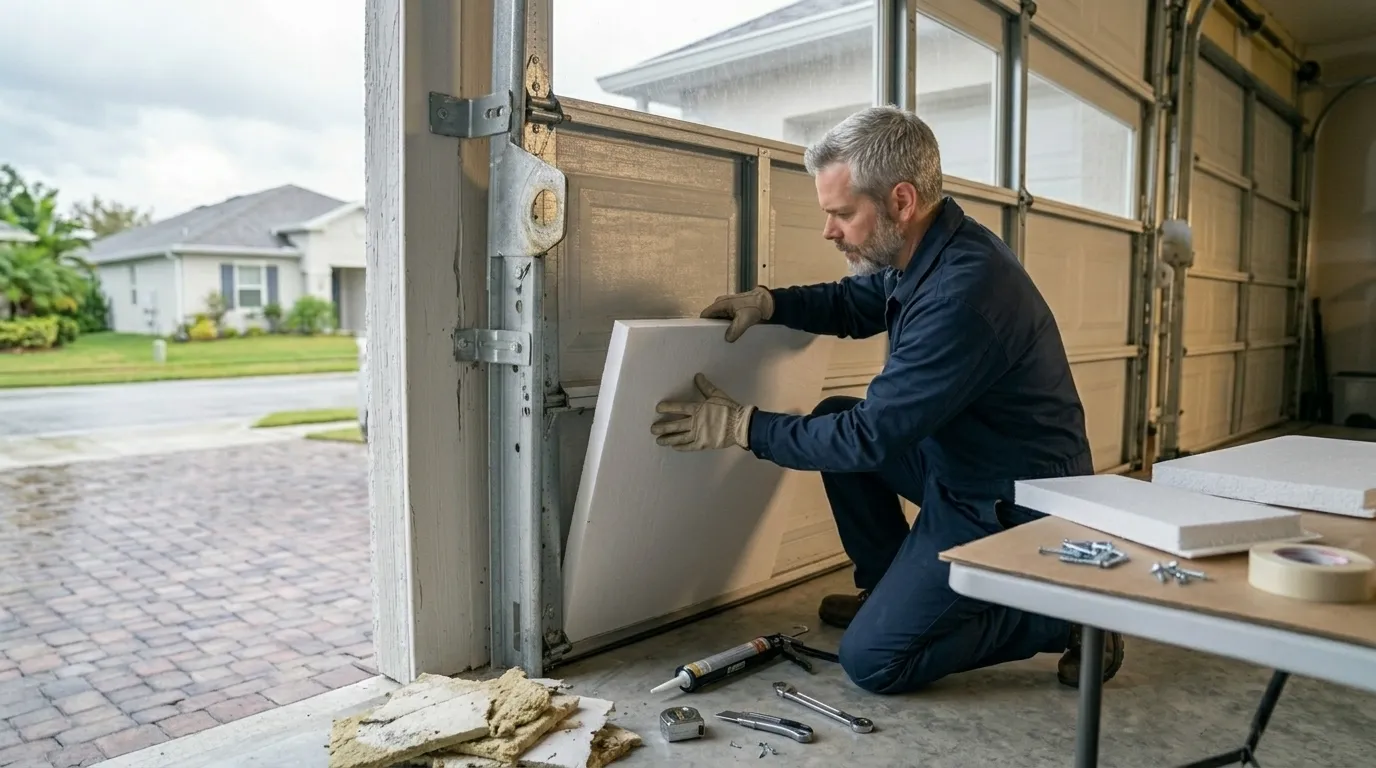
Garage Door Repair
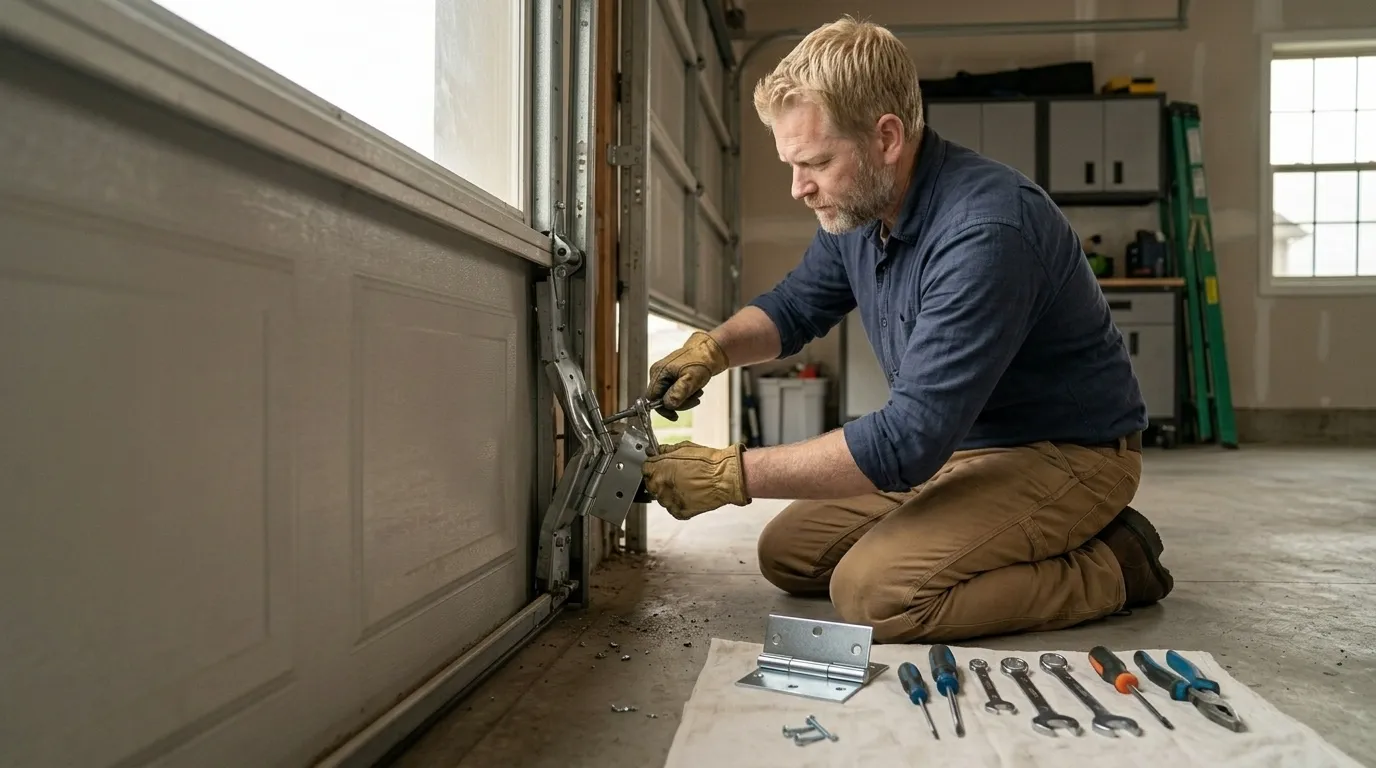
Springs, cables, tracks, rollers, and openers fixed by a tech who explains the problem before touching anything.
Learn more →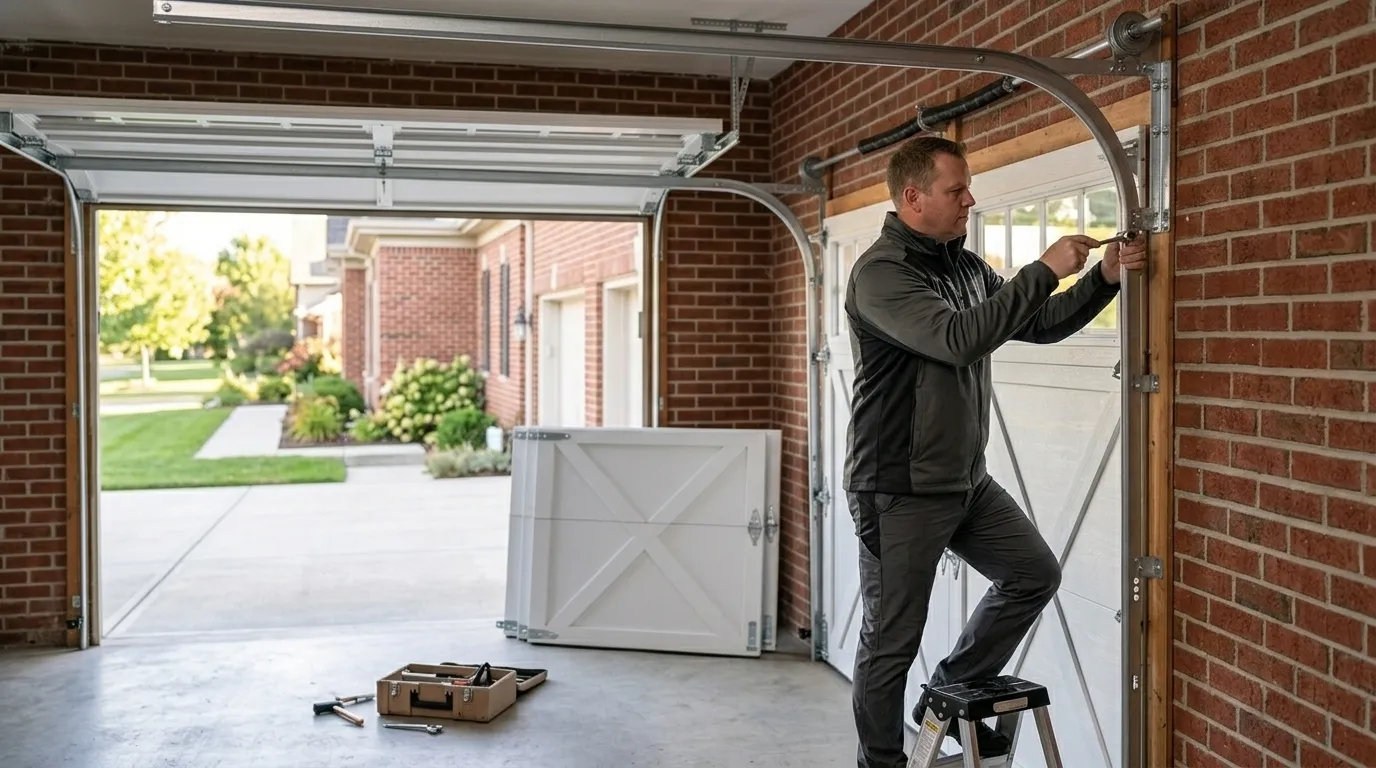
Garage Door Installation
New sectional doors sized and installed for the housing stock actually built in this area.
Learn more →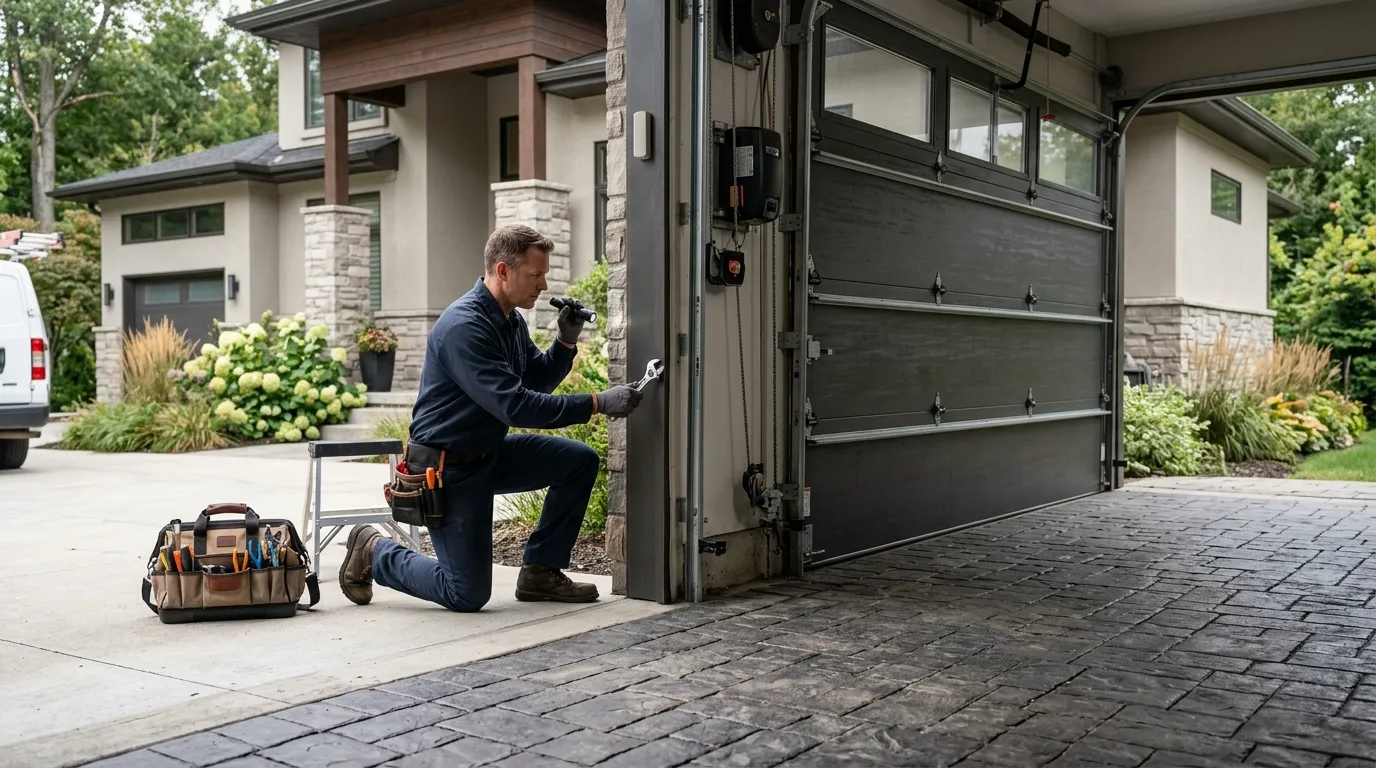
Garage Door Service
Tune-ups, lubrication, and safety checks that catch a small problem before it becomes a service call.
Learn more →What Happens When You Call
-
1
Call or Request a Quote
Tell us what the door is doing and roughly how old the house is - that alone points us toward the likely part before a truck leaves.
-
2
On-Site Diagnosis
A tech checks the spring, cables, tracks, and opener in person and tells you plainly what is actually wrong.
-
3
Straight Price, No Surprises
You get a number before any work starts. It covers parts and labor, nothing added after the fact.
-
4
Fixed the Same Visit
Most repairs are done in one trip. If a part needs sourcing, we tell you that upfront instead of guessing.
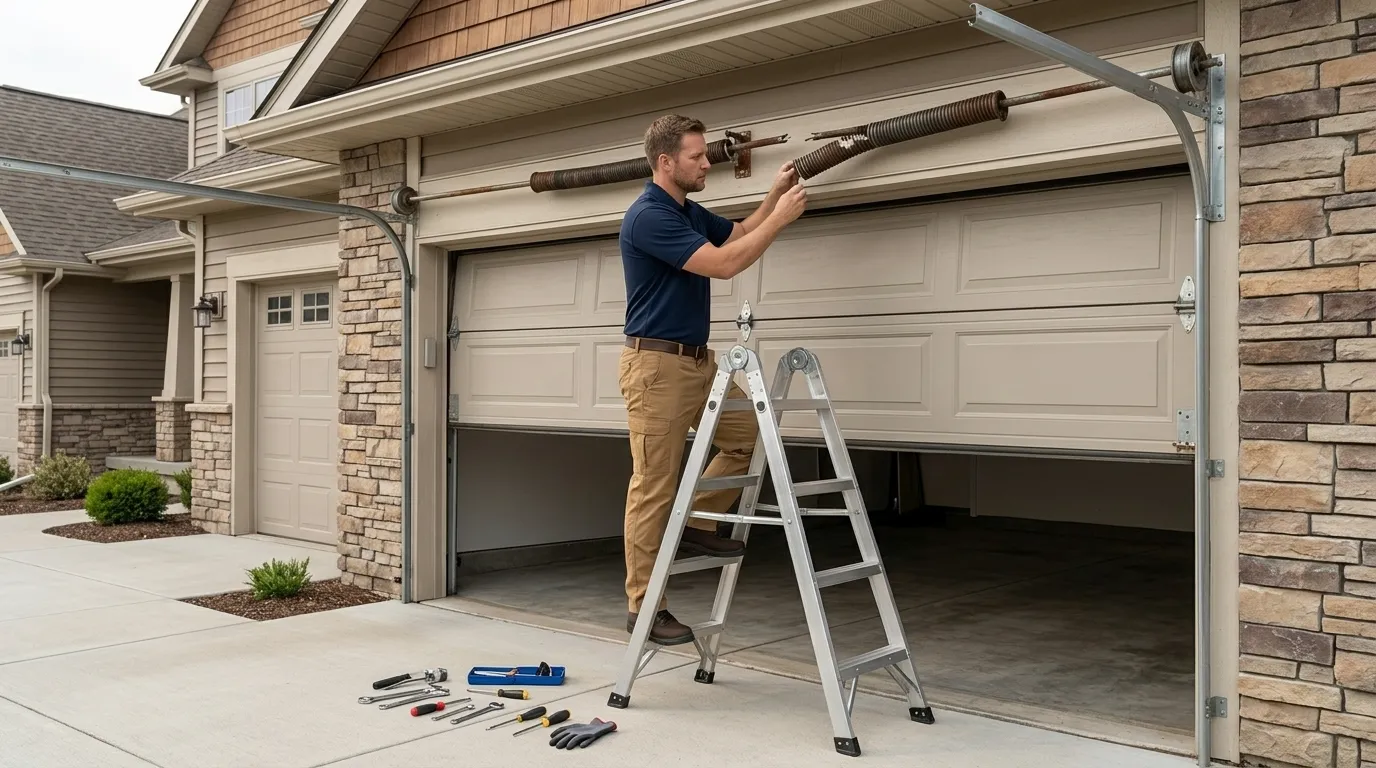
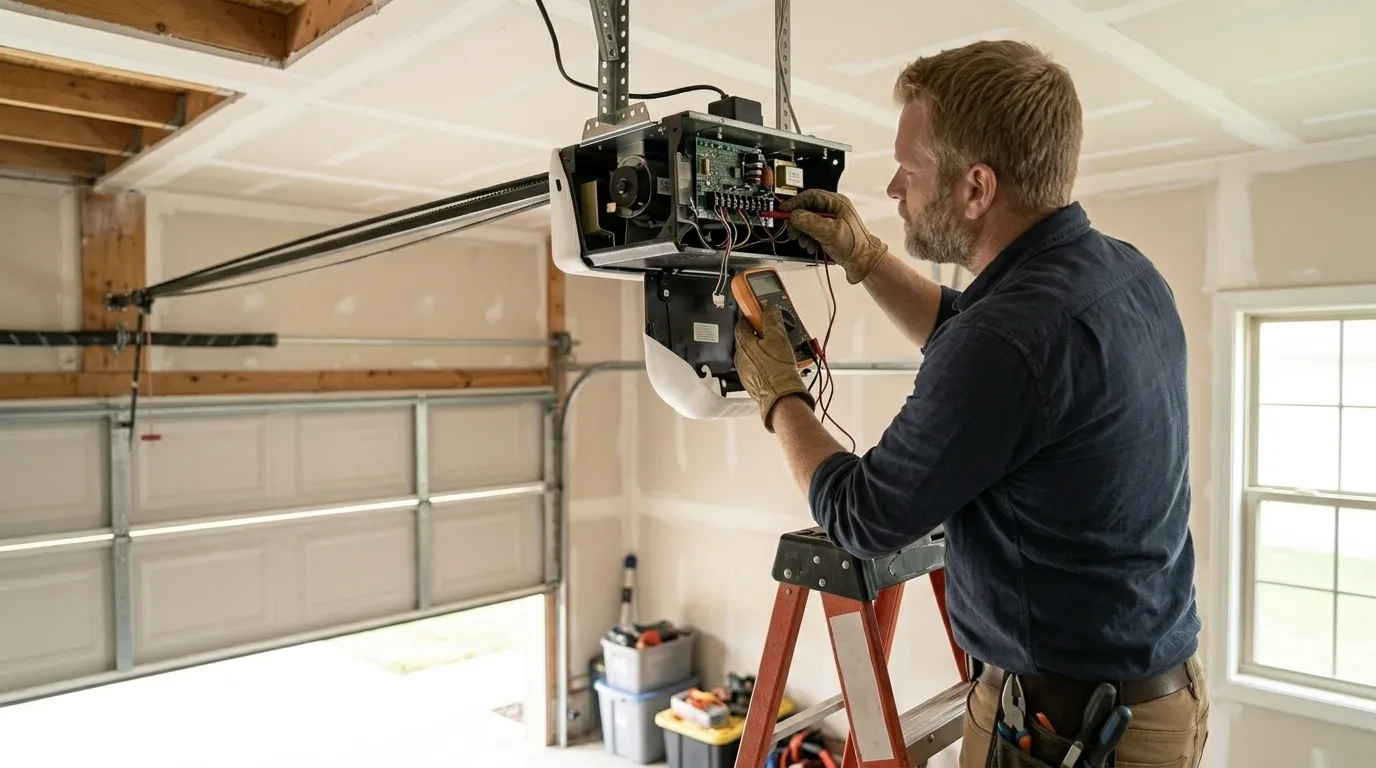
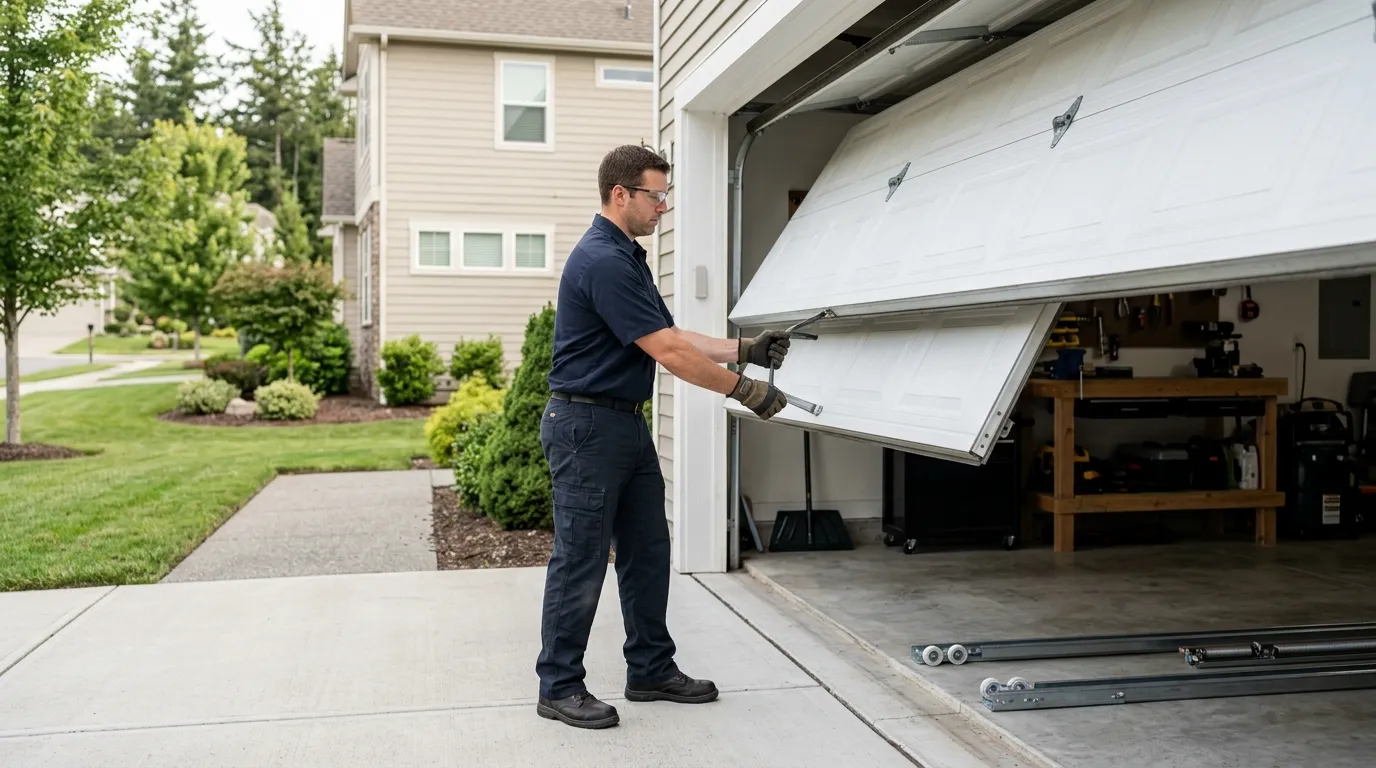
Recent Work Near Greenfield
Frequently Asked Questions
How far out is Greenfield from your Milwaukee base?
About 7 miles. We don't have a depot in Greenfield, so we route from Milwaukee, but it's a short enough drive that it's a normal part of our schedule, not a special trip.
Are Greenfield garage doors usually original to the house?
A lot of them are close to it. The area's median build year is 1973, and with 17,440 households here, plenty of garages still have hardware from a remodel decades back rather than a full modern replacement.
Does the cold affect older doors more than new ones?
Yes. This area sits in a severe cold climate band, and a torsion spring that's already near the end of its cycle life is far more likely to snap in a hard freeze than a newer spring rated for current loads.
Will you tell me if replacing my door is better than repairing it?
We will. On a door and frame from the early 1970s, sometimes the spring and track are fine and a repair makes sense; other times the hardware's mismatched with a newer opener and replacement is the more honest answer. We say which one we see.
Get Your Door Fixed in Greenfield
Call now for same-area service.