
Milwaukee, WI
Nearby Community
Garage Door Service for Greendale, 9 Miles from Milwaukee
Serving Greendale from Milwaukee, 9 miles out. We know the 1960s-70s door hardware common on this side of the metro and what it takes to fix it right.
- Licensed & Insured
- Same-Area Service Calls
- Upfront Pricing
When We Can Get There
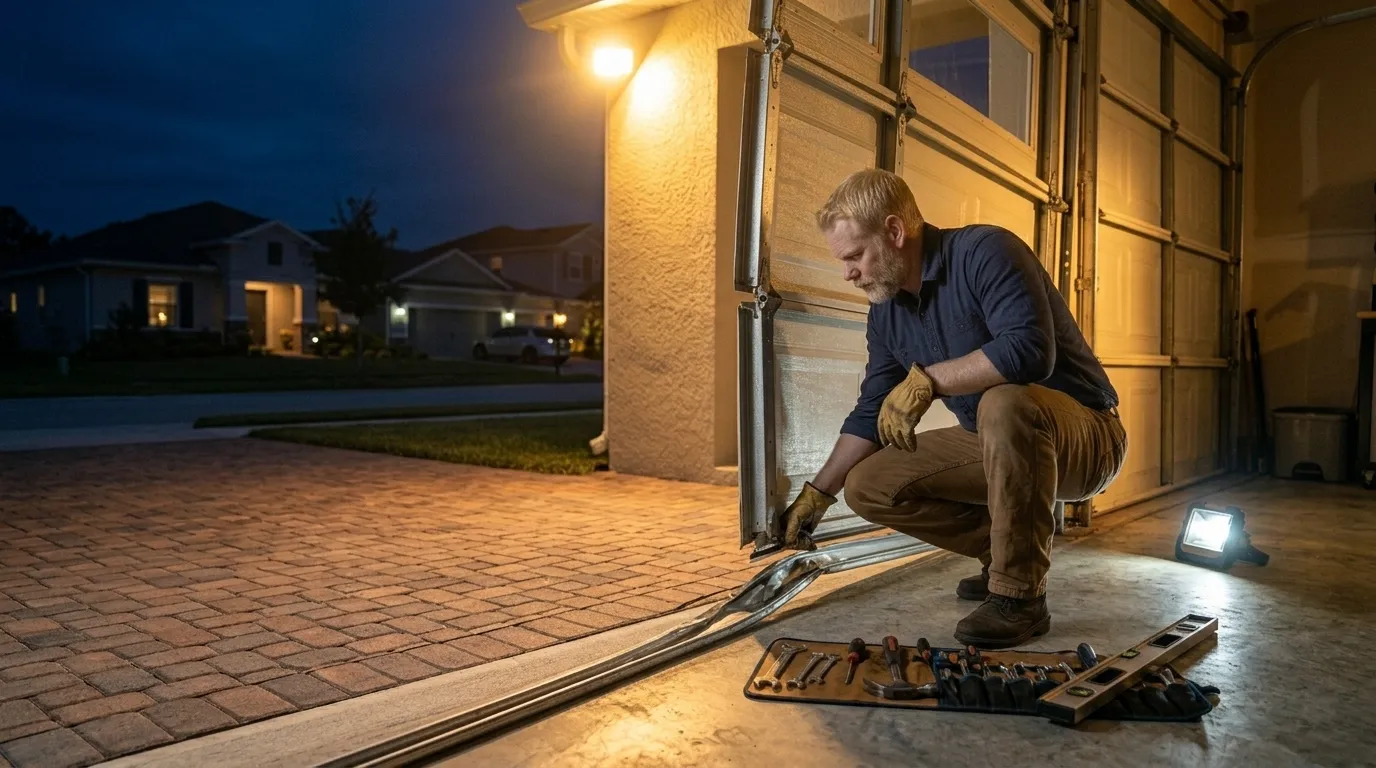
We run out of Milwaukee, and Greendale sits about 9 miles from there, a straight run down through the southern suburbs. We don't keep a truck parked in town, so we're not going to tell you we can be at your curb in ten minutes. What we can tell you is that Greendale is a regular stop on our route, not a special trip, and the drive time is short enough that it doesn't change how we schedule the day.
When you call, we'll give you a real window based on where our trucks already are, not a number pulled out of thin air. If a spring lets go on a Tuesday morning, that's a different conversation than a Saturday evening opener failure, and we'll say so plainly instead of promising something we can't back up.
The distance from Milwaukee is short. It's the workload on a given day, not the miles, that decides how fast we get to your driveway.
What Was Built Here
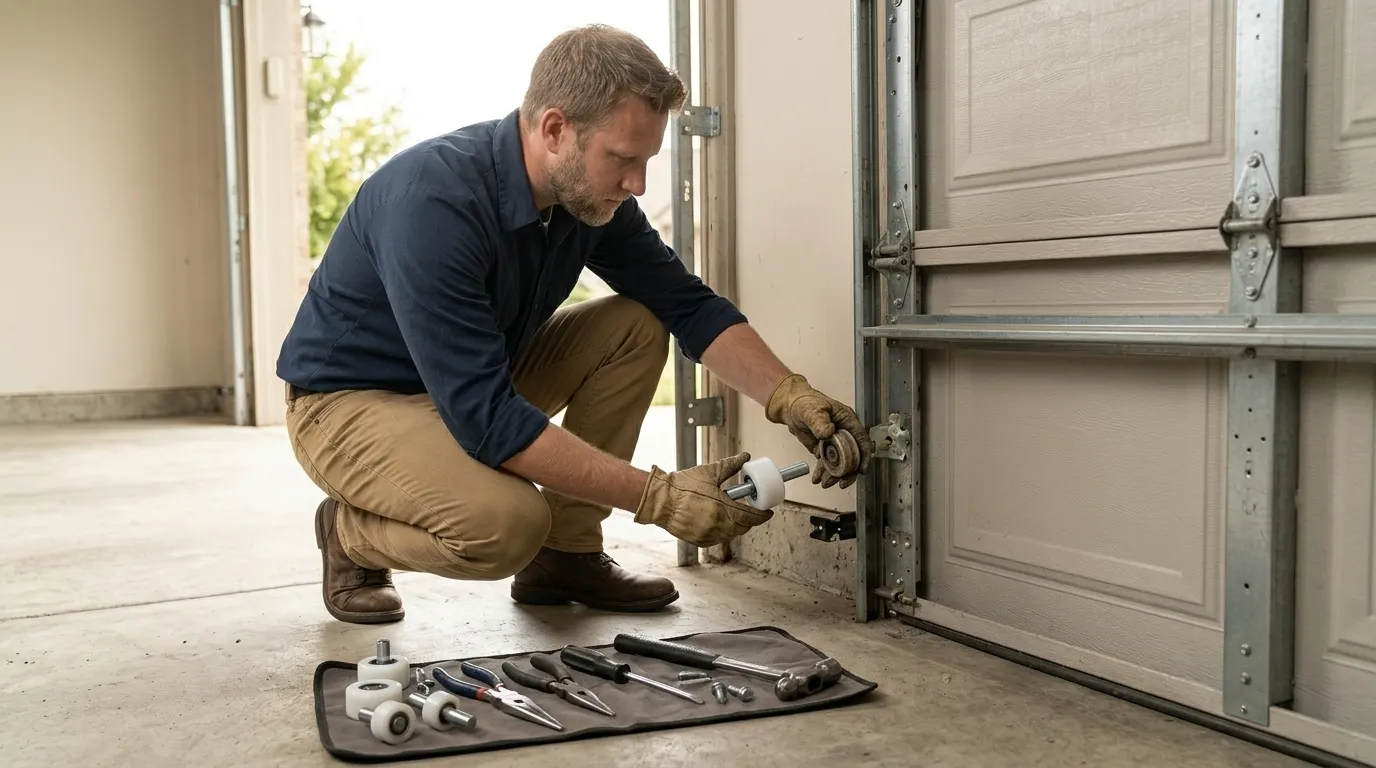
The median home in Greendale went up around 1967, which puts it right in the thick of the 1960s-70s wave that shaped a lot of this side of the Milwaukee area. That's a tighter window than the metro as a whole, where houses span 1938 clear through 2000. Greendale reads more consistent - block after block from roughly the same building push, with the same garage bays, the same header heights, the same door widths that builders were installing in that era.
That consistency matters for a service call. We're not guessing whether a house is going to have a door from the 1940s or one from 2005. We know going in that a Greendale garage is very likely working with an opening and a door style that was standard for its decade, and that shapes what we bring in the truck before we even ring the bell.
What the Housing Means for Your Door
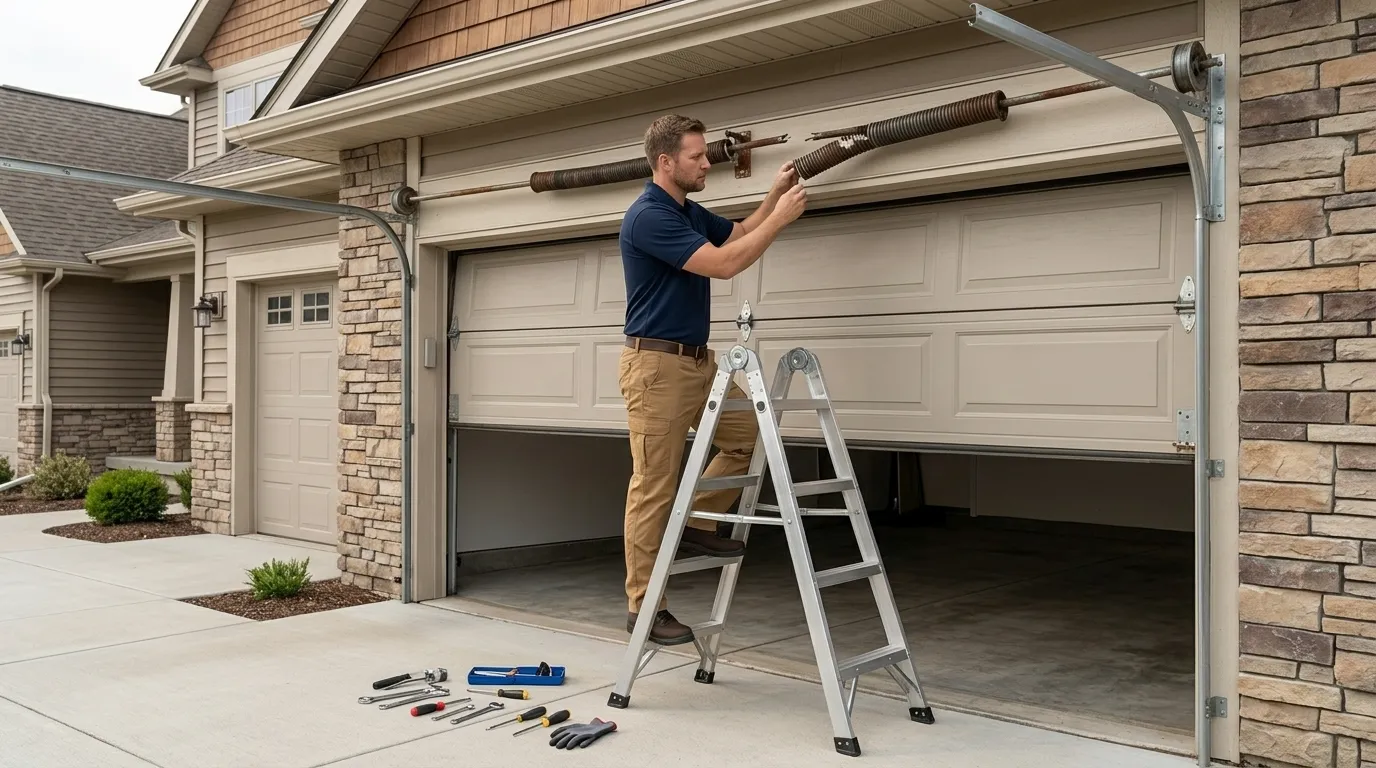
A door installed when your house was new, sometime in the mid-to-late 1960s, was built to the standards of that decade - lighter panels, older spring setups, hardware that's been through fifty-plus winters of a cold-climate region. Extension springs and side brackets from that era wear differently than the torsion setups common in newer builds, and they fail differently too: a snapped extension spring often takes a cable or a pulley with it, where a torsion failure usually stays contained to the spring itself.
We'll be straight with you: not every original 1960s door is worth repairing. If the track is bent, the panels are rusted through, or the opener predates safety reversal sensors, replacement is often the better call, not a patch job that fails again in a year. We'll tell you which situation you're in rather than sell you a repair we don't believe in.
Old Streets and New Ones
Greendale's street layout and its housing stock go together - a planned, mid-century build-out that didn't get filled in piecemeal the way older parts of the region did. That's different from the newer construction you'll find further out toward the edges of the service area, where houses date closer to 2000 and doors run on torsion hardware from the start.
Winters here are the same cold-climate reality as the rest of the region we cover - the kind of cold that stiffens grease, shrinks steel tolerances, and finds every weak spring or worn roller by February. A door that's fine in October can bind or snap in January, and that's true whether the house is from 1967 or 1997. What changes with the age of the house is which part fails first, and that's the piece of information worth knowing before you call anyone out.
How We Can Help
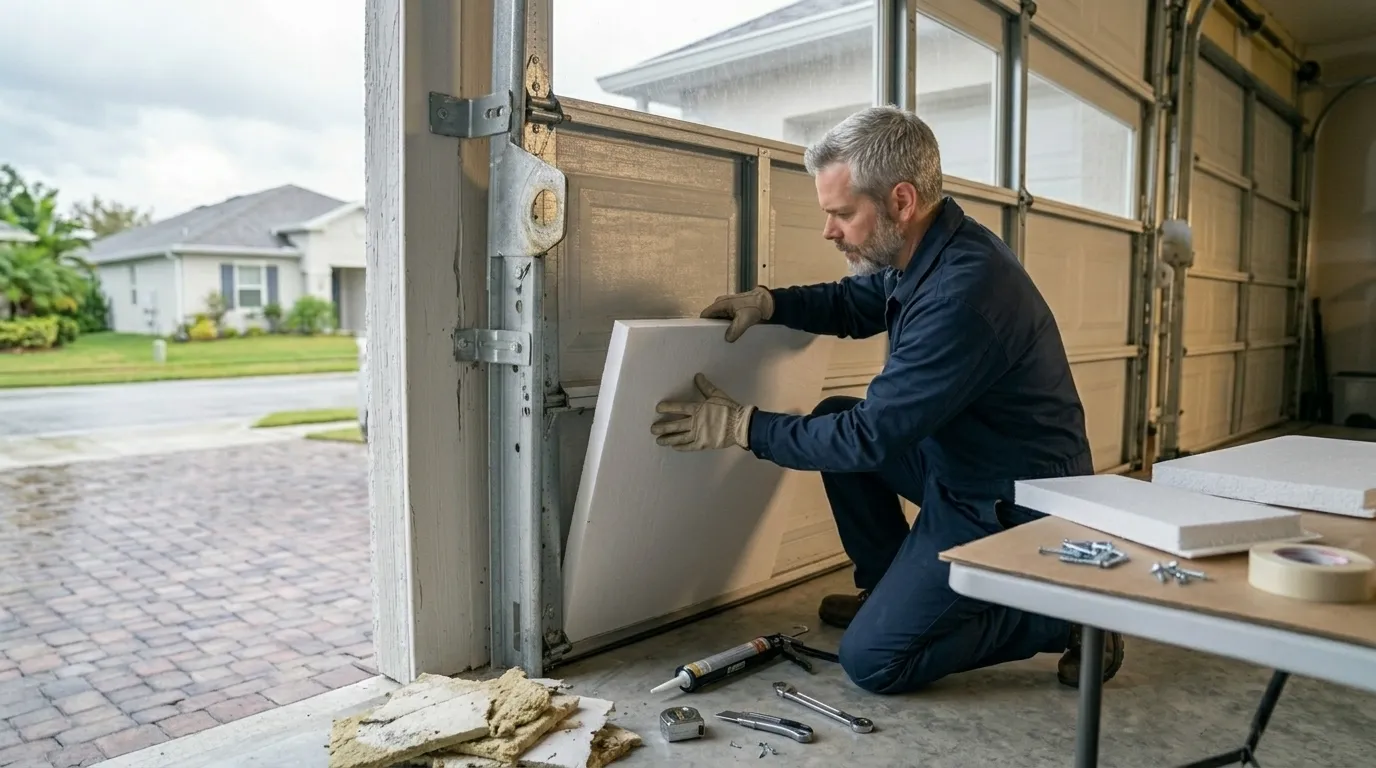
Garage Door Repair
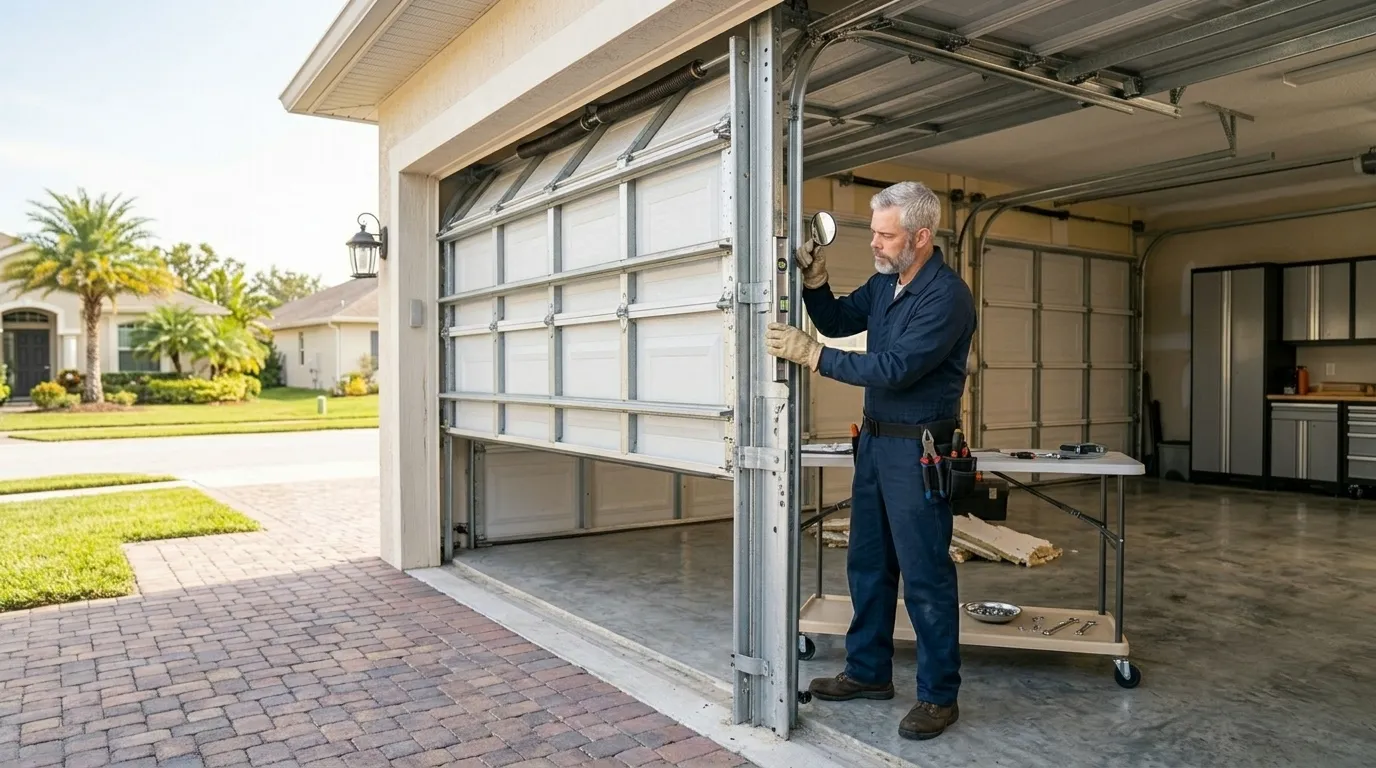
Springs, cables, tracks, rollers, and openers fixed by a tech who explains the problem before touching anything.
Learn more →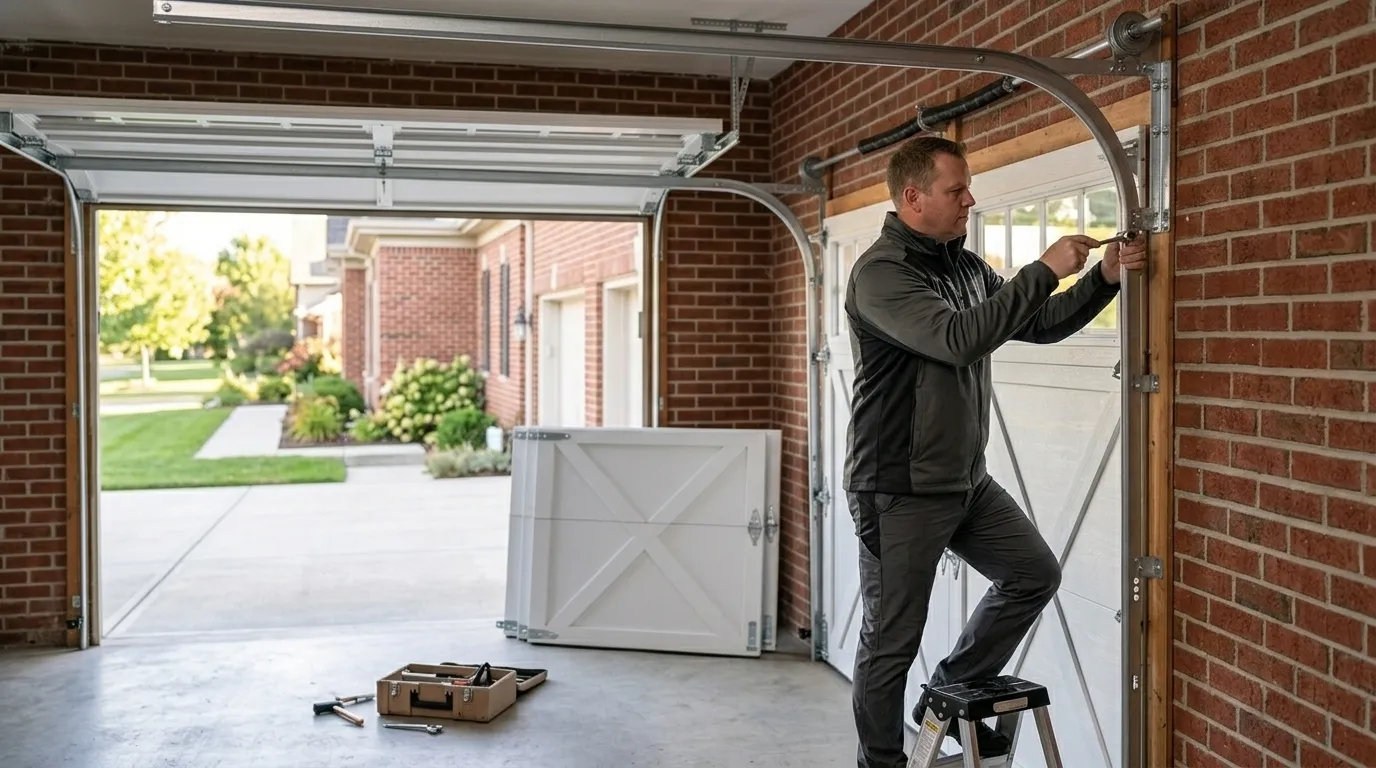
Garage Door Installation
New sectional doors sized and installed for the housing stock actually built in this area.
Learn more →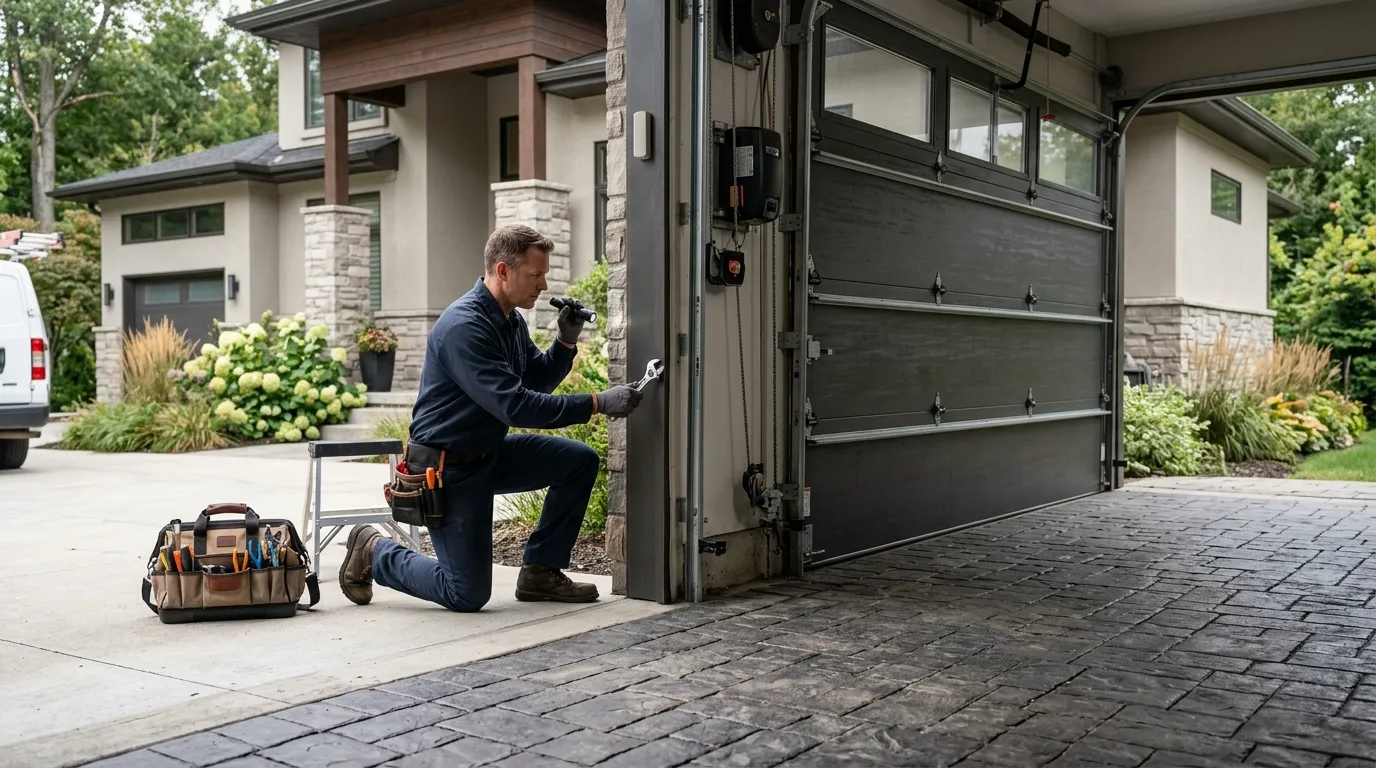
Garage Door Service
Tune-ups, lubrication, and safety checks that catch a small problem before it becomes a service call.
Learn more →What Happens When You Call
-
1
Call or Request a Quote
Tell us what the door is doing and roughly how old the house is - that alone points us toward the likely part before a truck leaves.
-
2
On-Site Diagnosis
A tech checks the spring, cables, tracks, and opener in person and tells you plainly what is actually wrong.
-
3
Straight Price, No Surprises
You get a number before any work starts. It covers parts and labor, nothing added after the fact.
-
4
Fixed the Same Visit
Most repairs are done in one trip. If a part needs sourcing, we tell you that upfront instead of guessing.
Recent Work Near Greendale
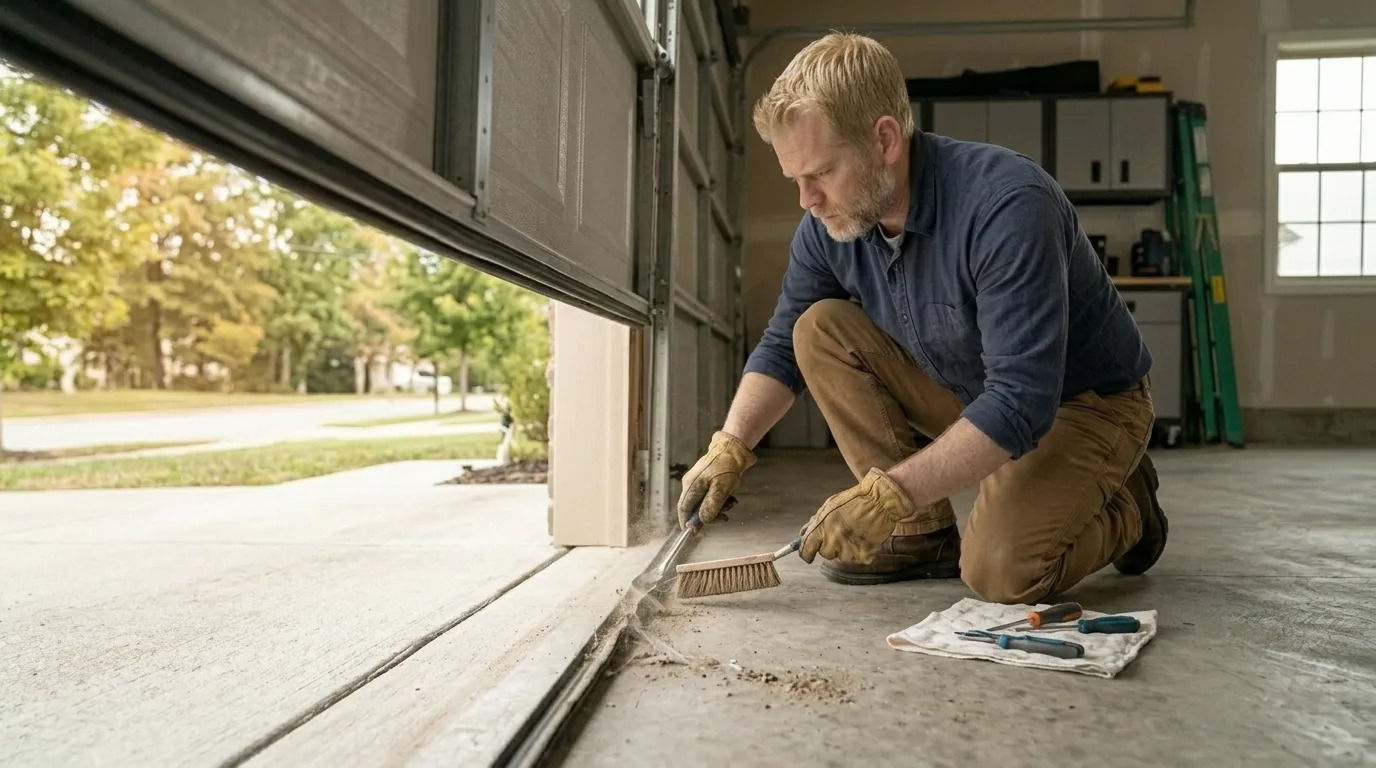
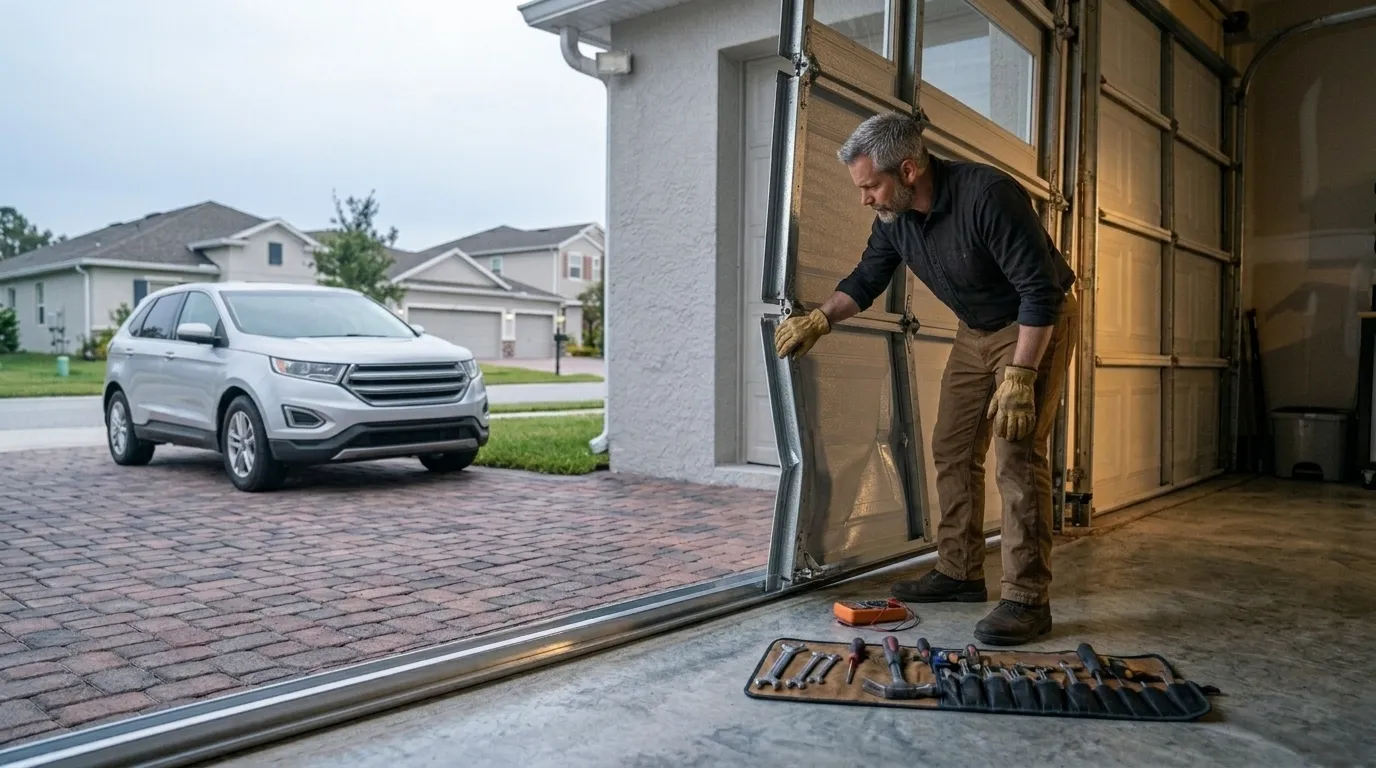
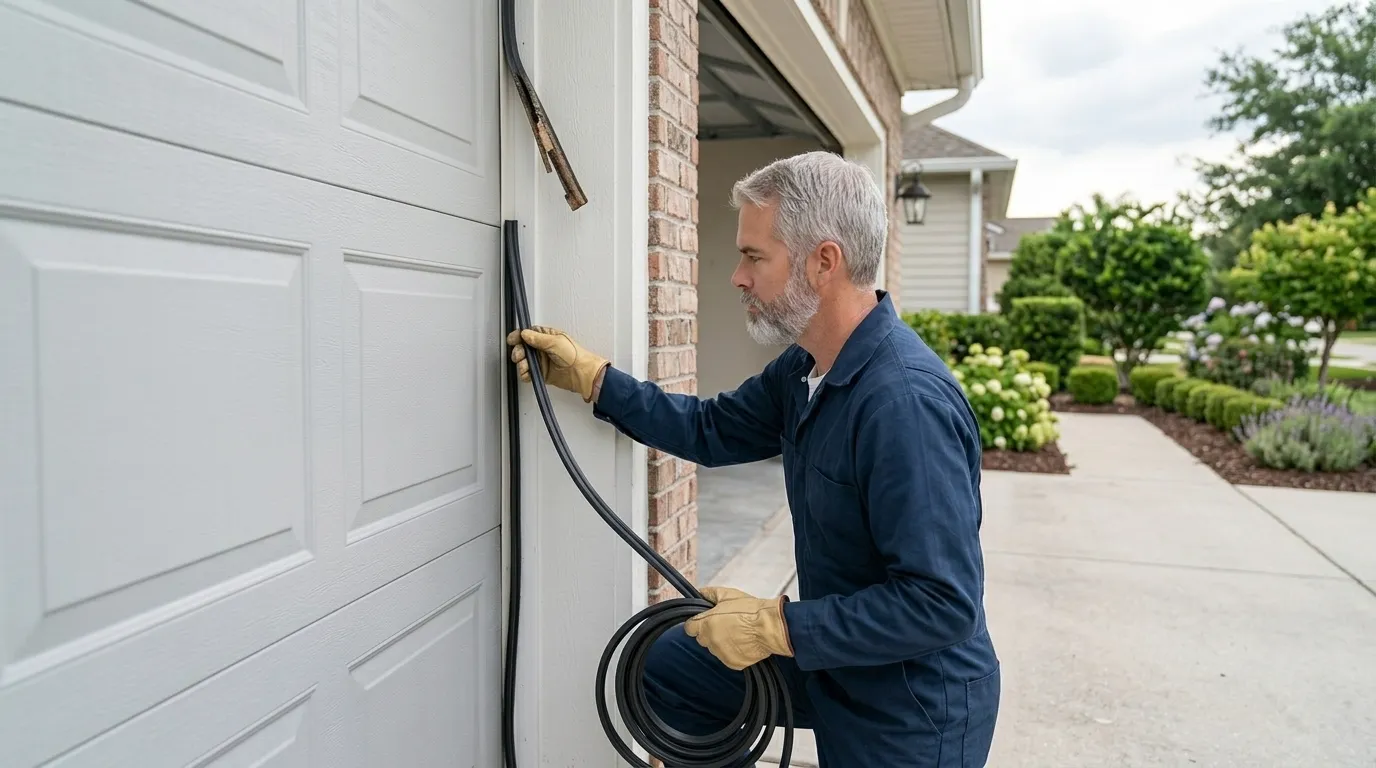
Frequently Asked Questions
Do you have a shop in Greendale?
No. We're based in Milwaukee and drive out to Greendale, about 9 miles away, as part of our regular coverage area. We don't keep equipment or staff stationed in town, so scheduling is based on our route for the day, not a local depot.
Why does my 1960s garage door break differently than a newer one?
Older doors, common in Greendale where the median home dates to about 1967, often run on extension springs and lighter hardware than newer torsion setups. When those parts fail, they tend to take cables or pulleys with them, which is a bigger repair than a clean torsion spring snap.
Is it worth repairing an original door from when the house was built?
Sometimes, not always. If the track and frame are sound, a spring or cable swap can extend an old door's life for years. If the panels are rusted or the track is bent, replacement usually costs less over time than repeated patch repairs.
Get Your Door Fixed in Greendale
Call now for same-area service.