
Milwaukee, WI
Milwaukee Garage Door Guide
What Your Garage Door Needs in a City Built Mostly in the 1960s and 70s
Milwaukee's housing runs 1960s-70s with a median build year of 1971, and severe cold cycles wear original hardware fast. Here's what to leave alone, watch, and expect to pay.
- Licensed & Insured
- Same-Area Service Calls
- Upfront Pricing
Leaving It Alone
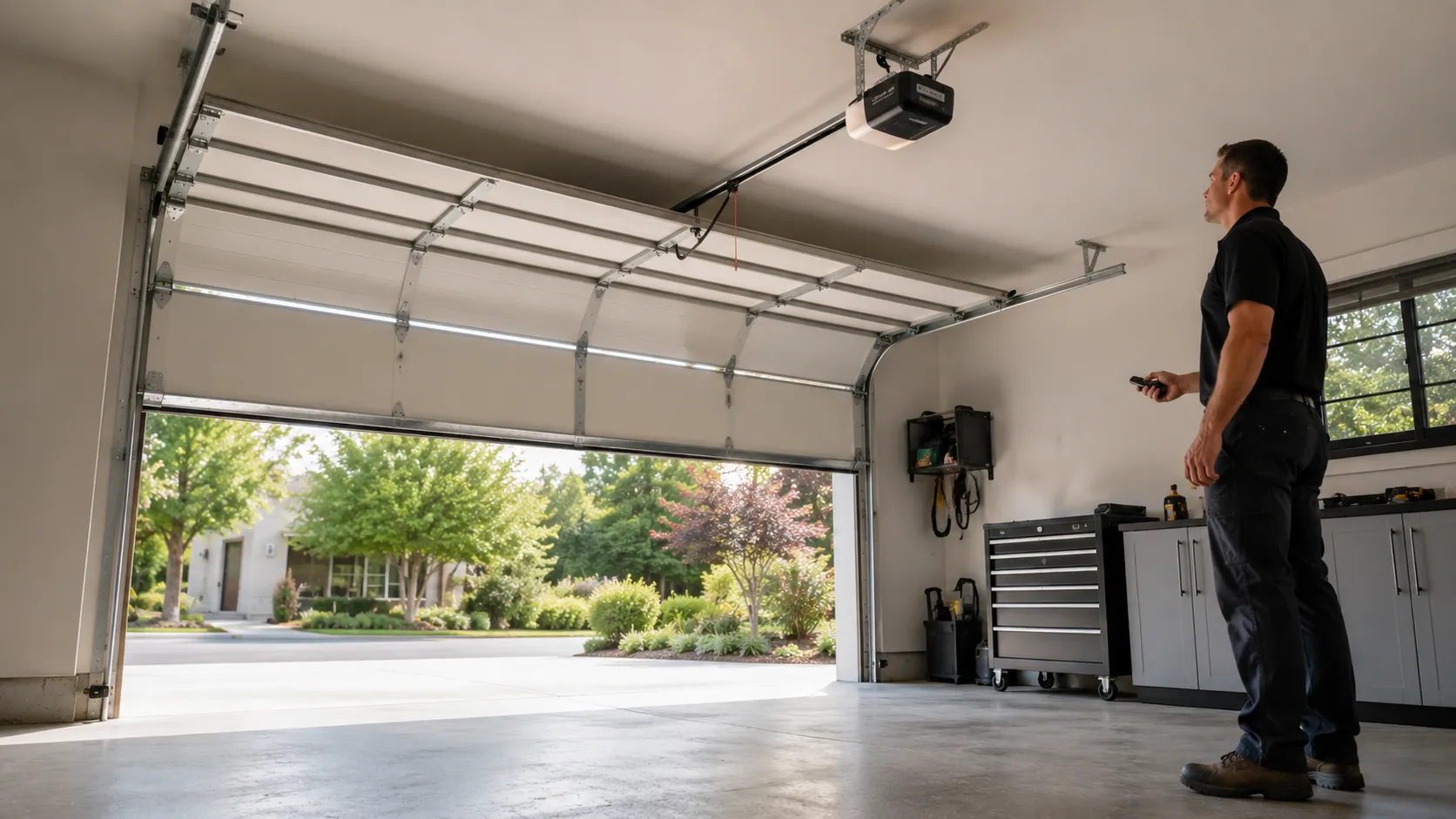
Most of the doors we get called out for in this city were never touched after they went up, and that's usually the right call until it isn't. A lot of Milwaukee's housing dates to a median year of 1971, with the bulk of the stock going up between 1938 and 2000. That means a huge share of torsion springs, tracks, and rollers are original equipment running well past the cycle life anyone designed them for.
If your door still opens smooth, closes flush, and the spring isn't visibly stretched or gapped, leave it alone. Lubricating hinges and rollers once or twice a year, checking that the auto-reverse still trips on contact, and keeping the track clear of debris covers most of what a 1960s or 70s door needs. Don't repaint over rust on the spring itself - that's cosmetic, not structural, and it hides the crack you need to see.
Where we tell people to stop DIY-ing: anything involving the torsion spring under tension, or a cable that's frayed near the drum. Those aren't adjustable-wrench jobs, and on a door this old, the hardware underneath the visible parts is often not what the label says it is.
What The Weather Here Does To It
This area sits in a climate band the federal data marks as cold, severe end. That's not a marketing phrase - it's cycles of hard freeze and thaw that most garage door hardware wasn't built for, especially hardware that's been in place since the 1960s or 70s.
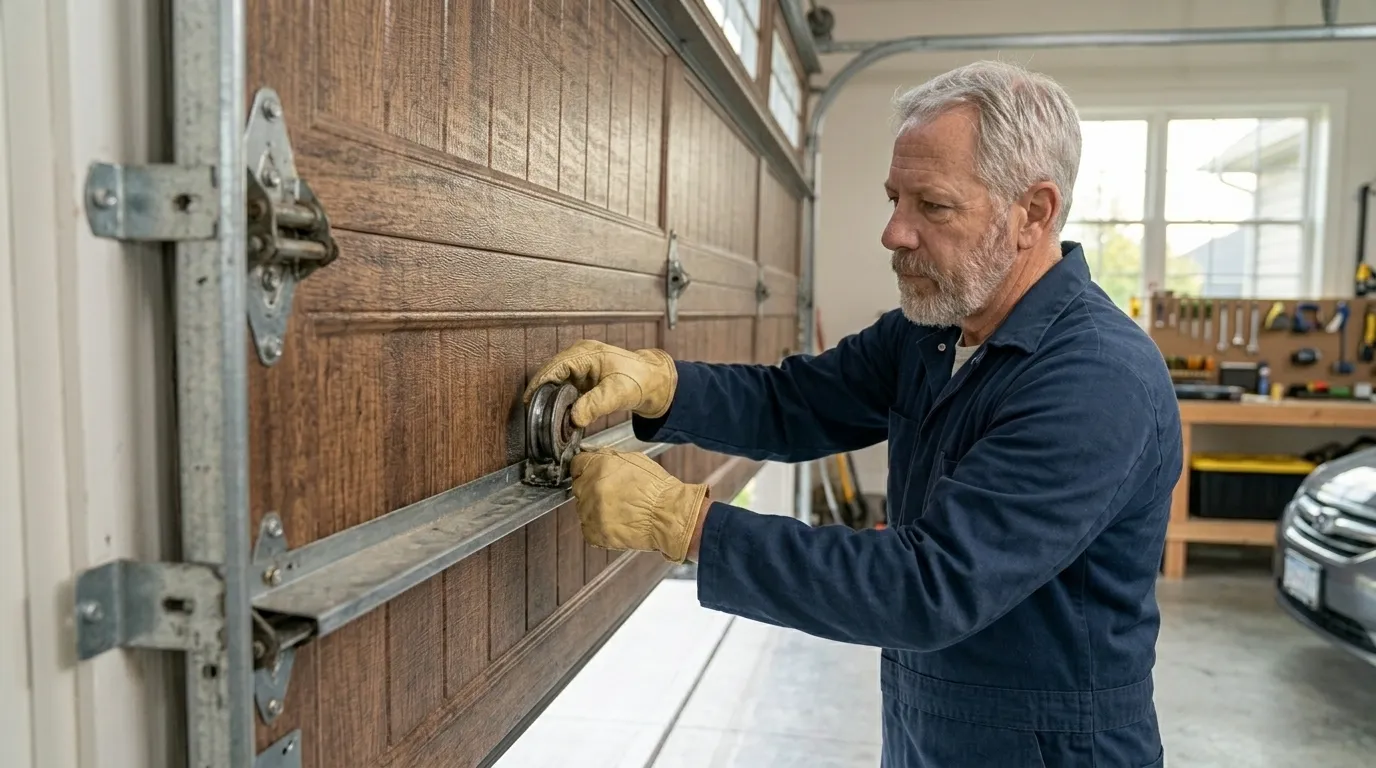
Steel panels contract in a hard freeze and expand again when temperatures swing back up, and on a door that's fifty-plus years old, that repeated flex is what turns a small metal fatigue crack in a torsion spring into a sudden snap - usually on the coldest morning of the year, when the spring is already stiff and under more load than it was rated for when new. Track alignment drifts the same way: cold contracts the bolts holding brackets to framing that's also decades old, and a quarter-inch of drift becomes a roller riding rough within a season.
We don't have a event-by-event record of storm damage to point to, so we won't claim one. What we can say is that the freeze-thaw cycle itself, repeated every winter for fifty-plus years on original-era hardware, is the single biggest reason doors here fail in January rather than July.
The Situation
Across the 38 named neighborhoods and suburbs in this service area - from Avenues West and Riverwest a few miles out to Cedarburg and Grafton sixteen to eighteen miles north - the housing pattern repeats: 1960s and 70s construction dominates, with a scattering of older 1938-era homes and newer builds mixed in through 2000.
That consistency matters for garage doors because it means the hardware problems repeat too. A one-piece door on side-mounted torsion hardware in a neighborhood like Old North Milwaukee is going to fail the same way as one four miles away in Shorewood or Glendale, because they went up in the same twenty-year window with the same suppliers.
With roughly 204,376 households and 100,460 owner-occupied houses across the service area, that's a lot of doors sitting in the same age bracket at once - which is part of why parts for some of the older, non-standard panel sizes take longer to source than they would for a door installed last year.
What You Pay
We won't quote a number here we don't have - every job depends on what's actually on the door once we're standing in front of it, and pretending otherwise would be the kind of thing that makes the rest of this page not worth trusting.
What we can tell you: at a median household income of $102,097 across the service area, most owners here choose full replacement over patching a fifty-year-old spring-and-track system once it's failed twice in a season, since the labor to keep re-matching obsolete parts often runs closer to the cost of a new door than people expect. That's a judgment call we make with you, not for you - a repair that gets you another few winters is sometimes the right answer, especially on a door that's otherwise solid.
The honest limitation: if your house is one of the older builds from the 1938-era pocket of the stock, with a non-standard door width, we may need to order a part rather than pull it off the truck, and that adds time to the job that a newer, standard-size door wouldn't need.
How We Can Help
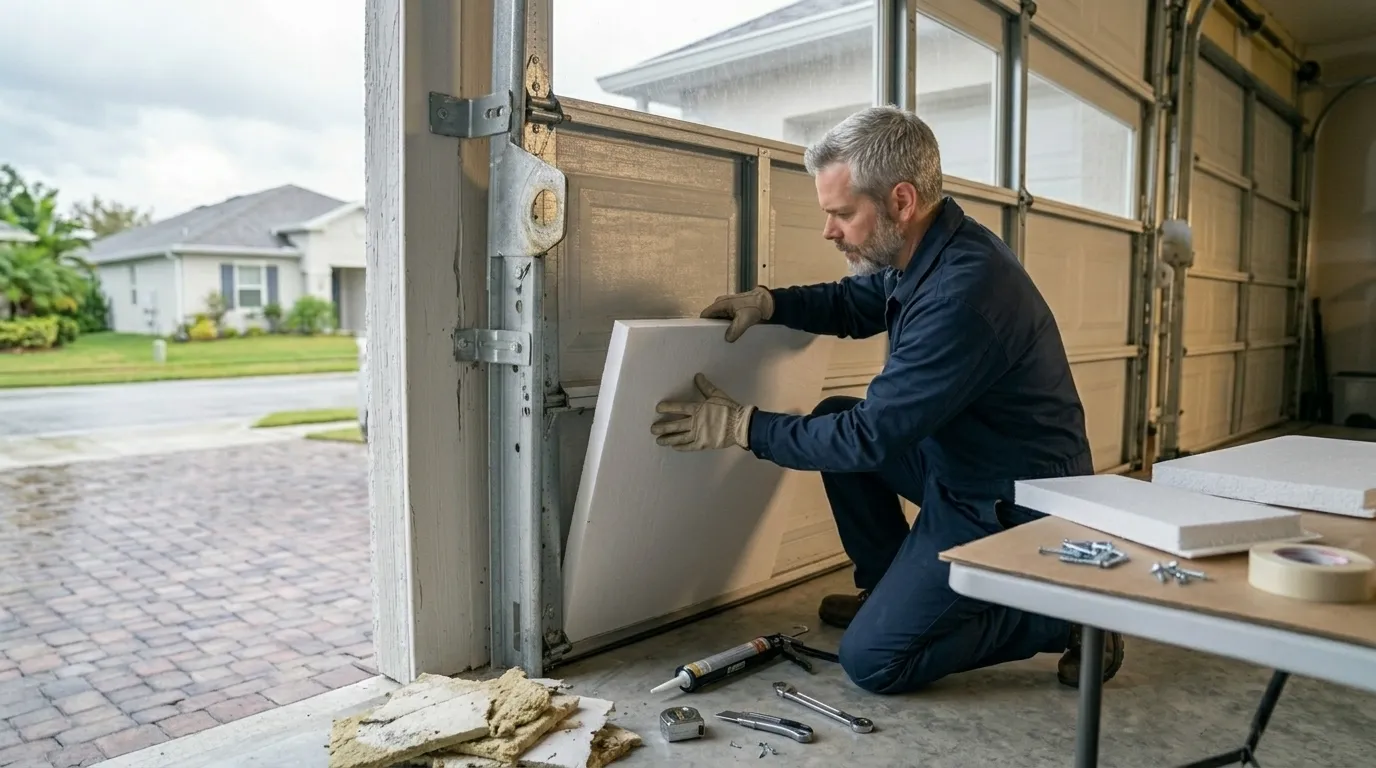
Garage Door Repair
Springs, cables, tracks, rollers, and openers fixed by a tech who explains the problem before touching anything.
Learn more →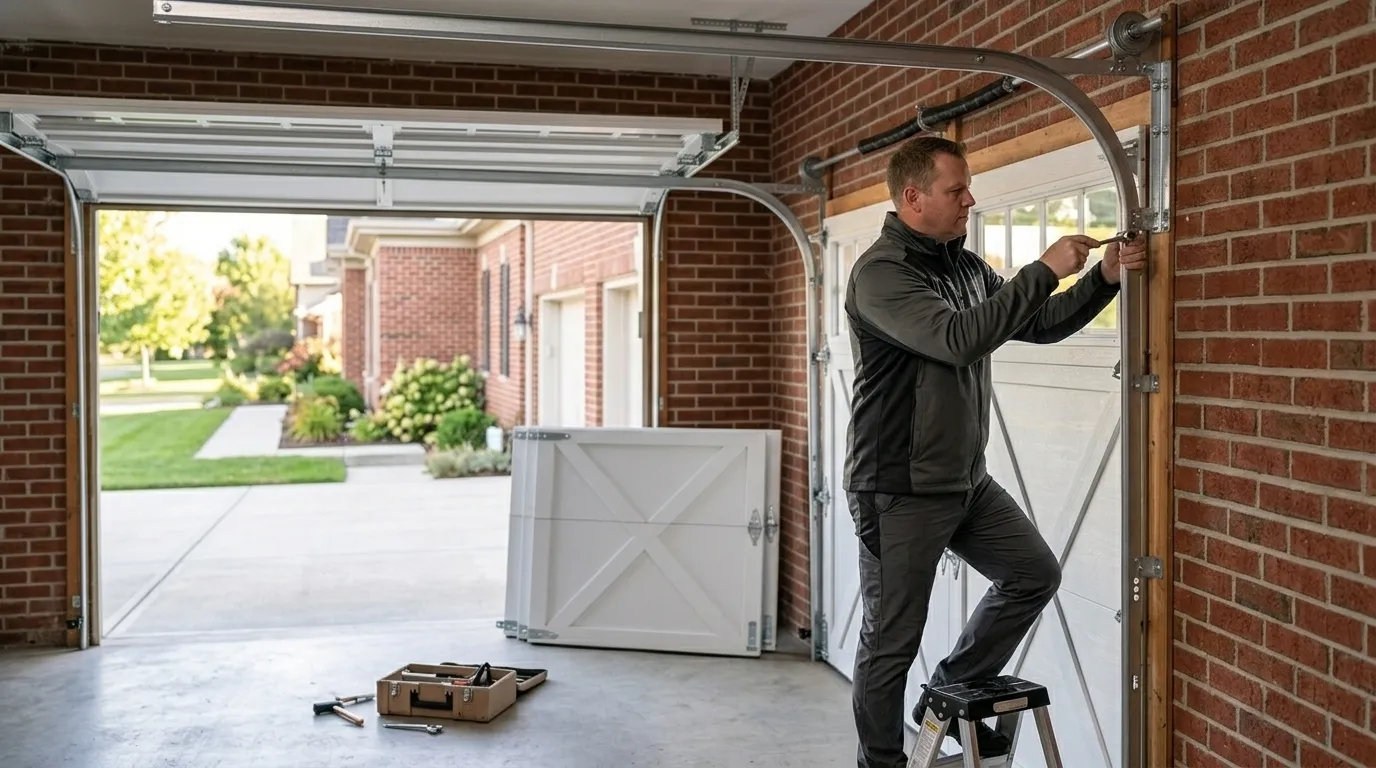
Garage Door Installation
New sectional doors sized and installed for the housing stock actually built in this area.
Learn more →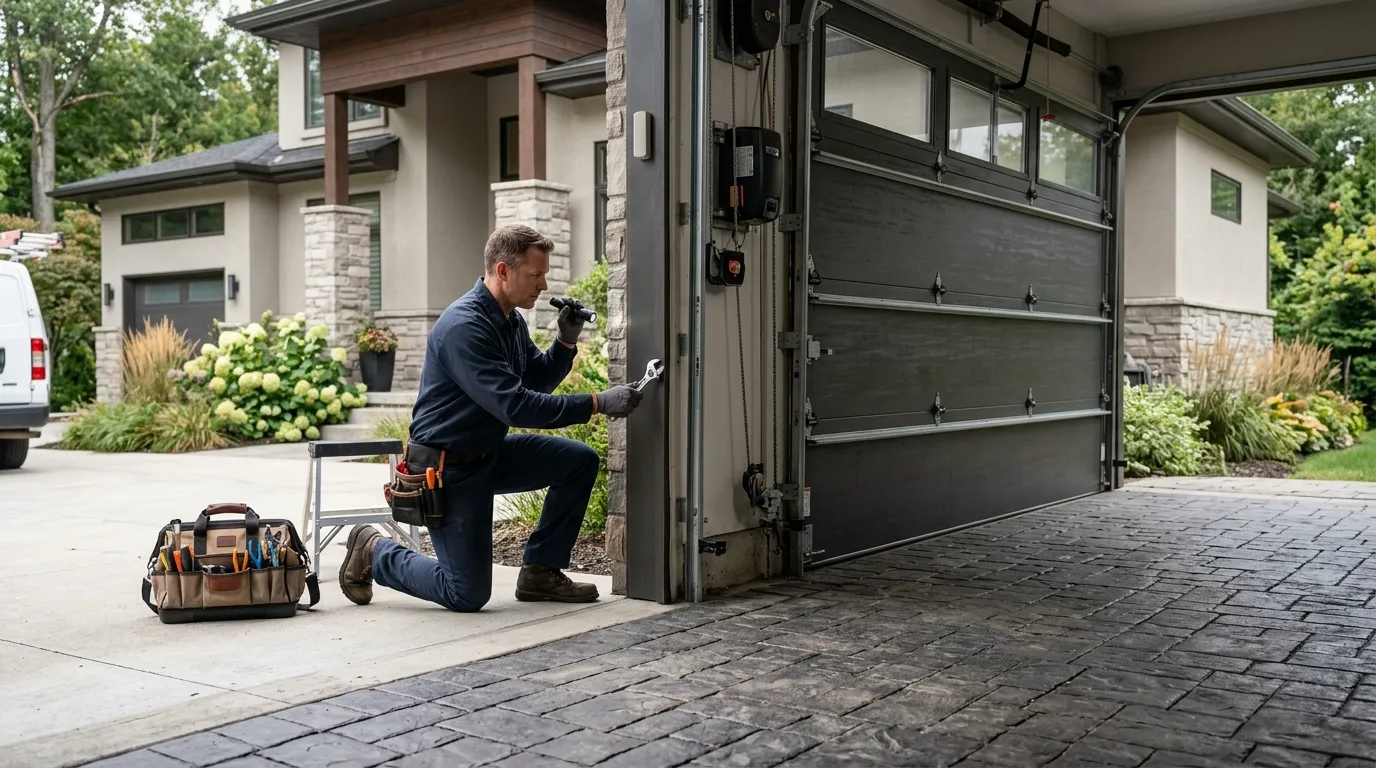
Garage Door Service
Tune-ups, lubrication, and safety checks that catch a small problem before it becomes a service call.
Learn more →Frequently Asked Questions
Is my garage door original if my house was built in the 1960s?
It's common. A large share of housing in this service area went up between 1938 and 2000 with a median year of 1971, and a lot of those doors and their torsion hardware were never replaced. If yours still has the original spring, it's likely well past the cycle life it was built for.
Why does my spring seem to break in winter more than summer?
This area sits in a severe cold climate band, and steel contracts and expands hard through freeze-thaw cycles. On a spring that's already fatigued from decades of use, that repeated stress is often what pushes a small crack into a full break, usually on a cold morning.
Do you work outside the city itself?
Yes, we cover the service area including nearby communities like Wauwatosa, Shorewood, Glendale, Whitefish Bay, and further out to places like Cedarburg and Grafton. Call to confirm your specific location.
Can you tell me a price over the phone?
Not accurately. Costs depend on what's actually wrong and what hardware is on the door, and a lot of the doors here are old enough that the parts aren't standard. We'll give you a real number once we've looked at it.
Have a Door That Needs a Second Opinion?
Call and describe what it is doing - we will tell you what it likely is.