
Milwaukee, WI
Opener Installation in Glendale
Opener Installation for Glendale's 1965-Era Garages
Glendale homes date to 1965, six years ahead of the wider service area's 1971 median. That gap changes what opener fits and what bracket work is needed.
- Licensed & Insured
- Same-Area Service Calls
- Upfront Pricing
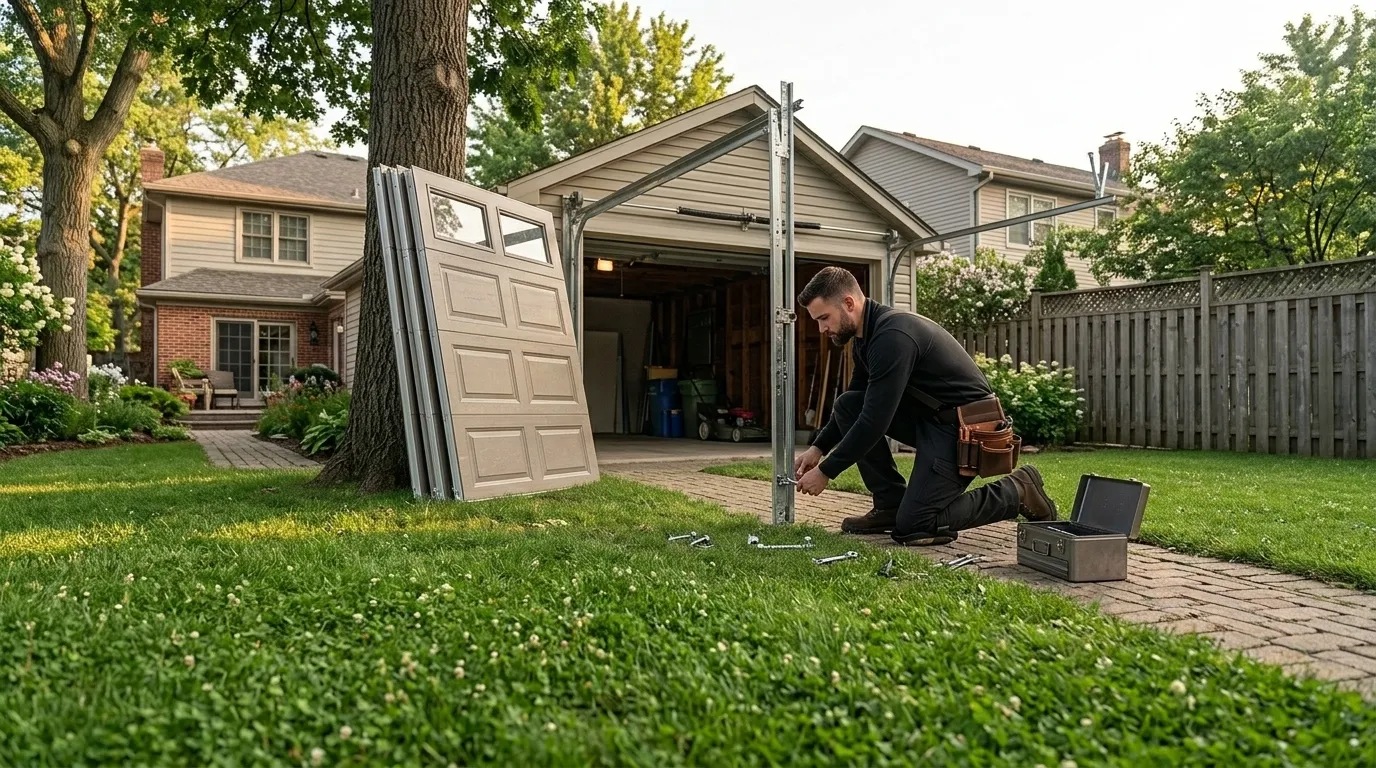
What Happens When You Call
-
1
Call or Request a Quote
Tell us what the door is doing and roughly how old the house is - that alone points us toward the likely part before a truck leaves.
-
2
On-Site Diagnosis
A tech checks the spring, cables, tracks, and opener in person and tells you plainly what is actually wrong.
-
3
Straight Price, No Surprises
You get a number before any work starts. It covers parts and labor, nothing added after the fact.
-
4
Fixed the Same Visit
Most repairs are done in one trip. If a part needs sourcing, we tell you that upfront instead of guessing.
How to Book
We run this job out of Milwaukee, about 5 miles from Glendale, so there's no branch office here to call ahead of - just a truck that comes to you. When you reach out, tell us the age of the house if you know it, because Glendale's housing stock centers on 1965, a few years earlier than the 1971 median across the rest of our service area. That earlier build date usually means an older bracket setup or a header that was never sized for a heavier opener, and knowing that before we load the truck saves a second trip.
We'll ask about the door itself too - width, whether it's one panel or sectional, and whether the opener you're replacing is chain or screw drive. If you're comparing this against opener work in the city proper, the /garage-door-opener-installation-milwaukee-wi page covers that broader picture; this page is about what's different once you're five miles out in Glendale. You can also see the rest of what we cover nearby at /near/glendale/.
We don't keep a standing schedule block reserved for any one suburb, so booking a few days out gets you more choice on timing than a same-day call, especially in winter.
How It Shows Up
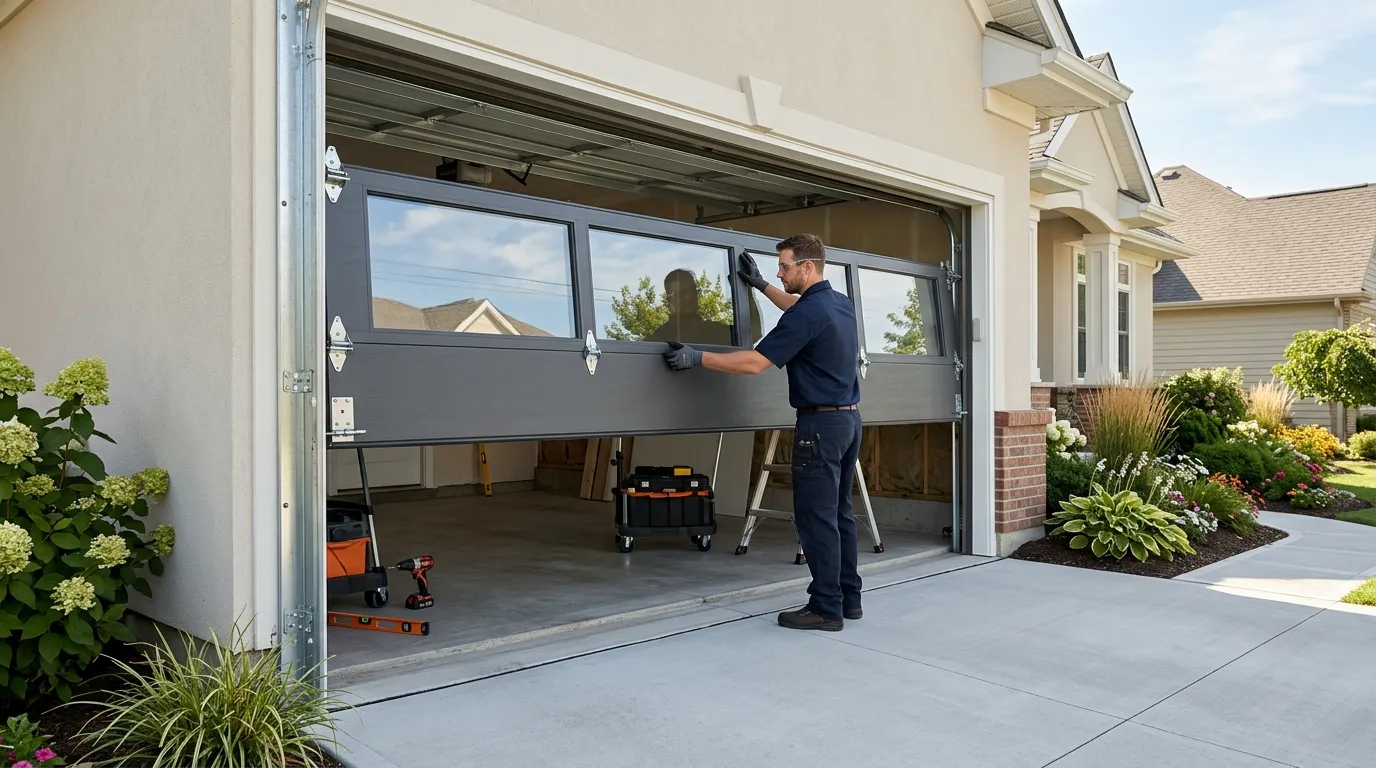
In a neighborhood built mostly around 1965, the opener failures we see most often aren't random - they track the age of the wiring and the bracket hardware that came with the house. A garage door that reverses on its own, or an opener that hums but doesn't lift, is frequently tied to a header bracket that's been carrying more flex than it was built for, especially once a heavier insulated door got swapped in at some point over the decades without upgrading the mount behind it. Glendale's median household income sits at $77,096, noticeably below the $102,097 median across the wider area we serve, and that shows up less in the failures themselves and more in how long people run a struggling opener before calling - we see more units nursed well past the point of an easy fix here than in some of the newer subdivisions further out.
The cold matters too. This region sits in a severe cold climate band, and an opener that's marginal in October usually fails outright in January, when grease stiffens and a chain drive that's already loose starts skipping teeth. If your opener is straining more in winter than summer, that's not the motor - it's usually the mechanism it's driving.
Parts We Carry
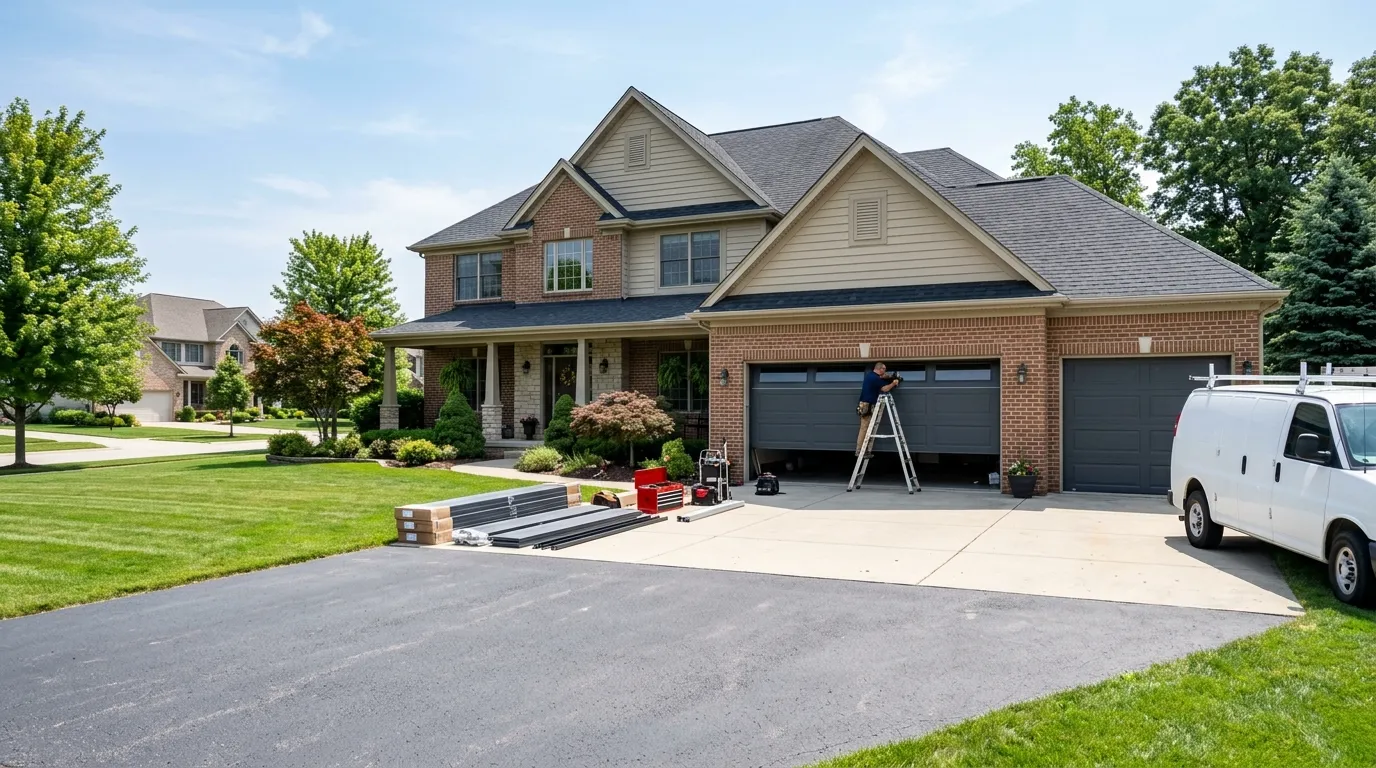
For houses in this build era we carry both chain and belt drive units, along with the heavier-duty circuit boards that hold up better against the repeated cold-start load a severe winter climate puts on a motor. We also stock battery backup units, which matter more here than people expect - a power outage during a cold snap with a stuck door is a bad combination, and it's one we plan for rather than sell as an upsell.
Bracket hardware is the other piece. A lot of the openers we pull out in older Milwaukee-area suburbs were mounted to whatever header was in the garage in the 1960s and 70s, and that hardware doesn't always meet the load rating a modern opener needs. We carry reinforcement brackets on the truck rather than quoting a return visit for something that small, though if the header itself needs rebuilding - not just a bracket - that's carpentry work we don't do, and we'll tell you that up front rather than take the job halfway.
Doing It Yourself
Swapping a garage door opener yourself is doable if the door itself is in good shape - springs balanced, tracks straight, no binding. Where people get into trouble in older Glendale-area garages specifically is the electrical side: houses from the 1965 era often have a single unswitched outlet in the garage ceiling, wired for a light fixture, not a motor. Running a new opener off that circuit without checking the gauge and the breaker behind it is how you end up with a nuisance trip or, worse, a wiring hazard.
The other honest issue is weight. If you're upgrading from a light single-panel door to anything heavier, or adding insulation to an old door at the same time as the opener, the math on horsepower and the math on your existing bracket load both change, and neither is obvious from the box the opener comes in. We'll do a straight install without upselling you if your setup is straightforward - but if the door and the opener aren't matched, we'll say so before we plug anything in, not after.
Time on the Job
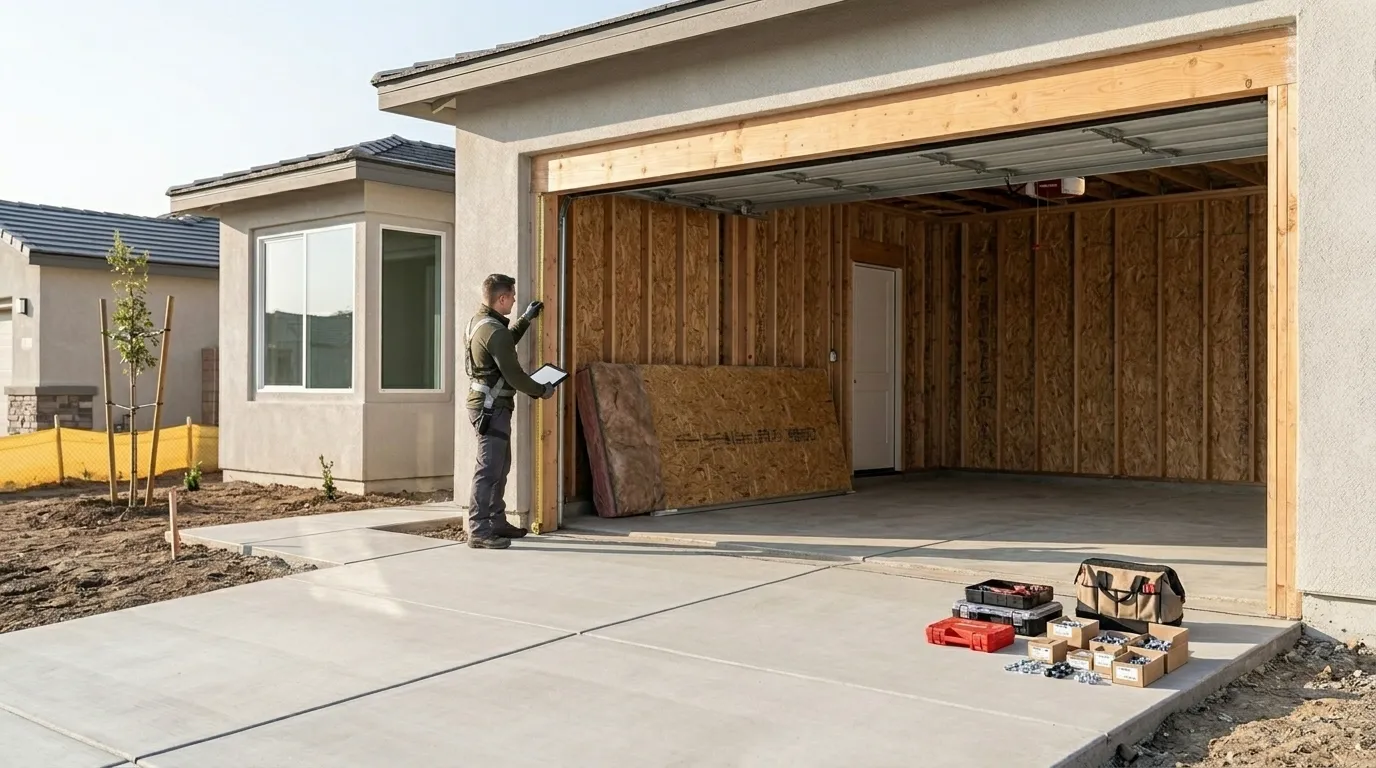
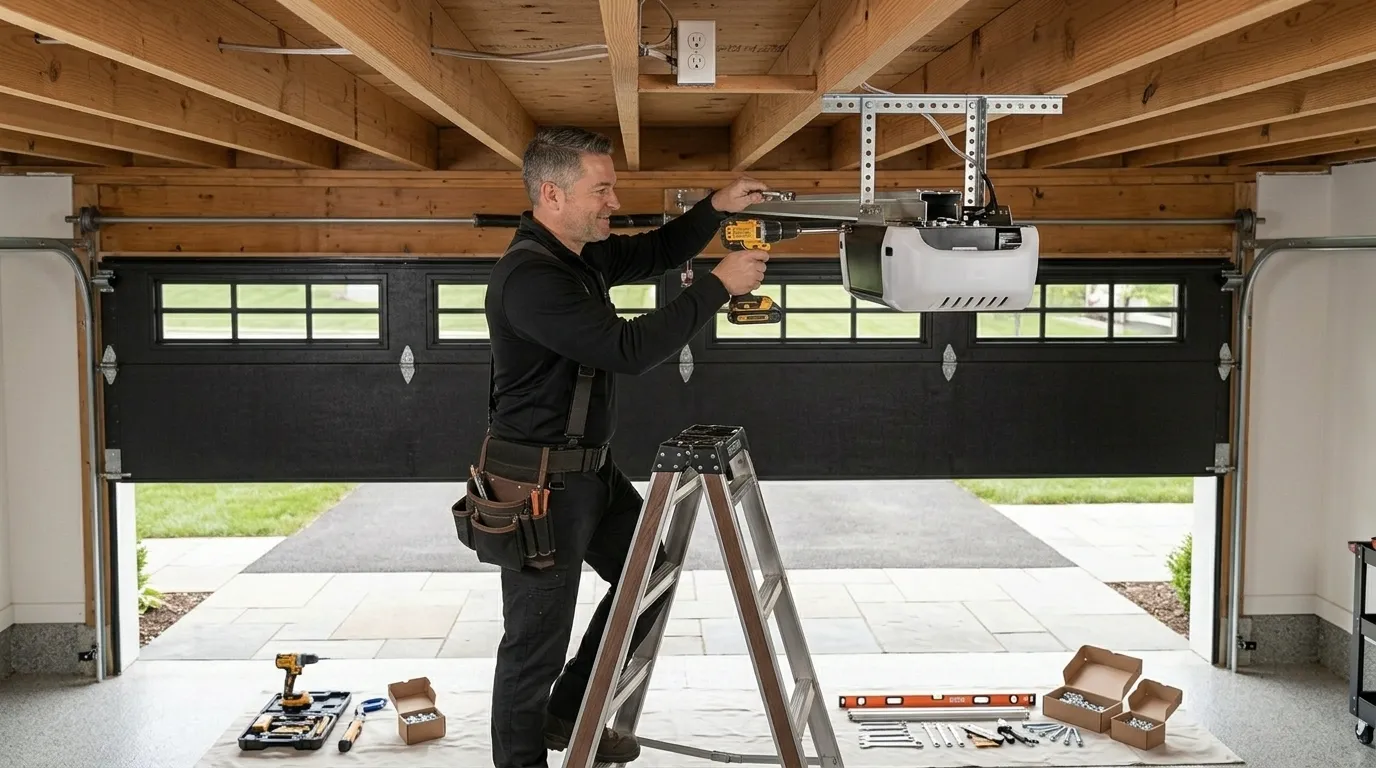
A straightforward opener swap on a door that's already balanced and running clean usually takes a couple hours on site - old unit down, new rail and motor up, safety sensors aligned, remotes programmed. Where it runs longer in Glendale specifically is the bracket work: houses from the 1965 era often need the header bracket reinforced or replaced before the new opener goes up, and that adds real time, not just parts cost.
We don't pad the estimate for that possibility before we've seen the garage, but we also don't pretend it's rare in a neighborhood this age. If the header's solid, you're looking at a short job. If it isn't, plan for the extra hour and know that skipping that step is how an opener that's rated fine on paper ends up sagging the track within a year.
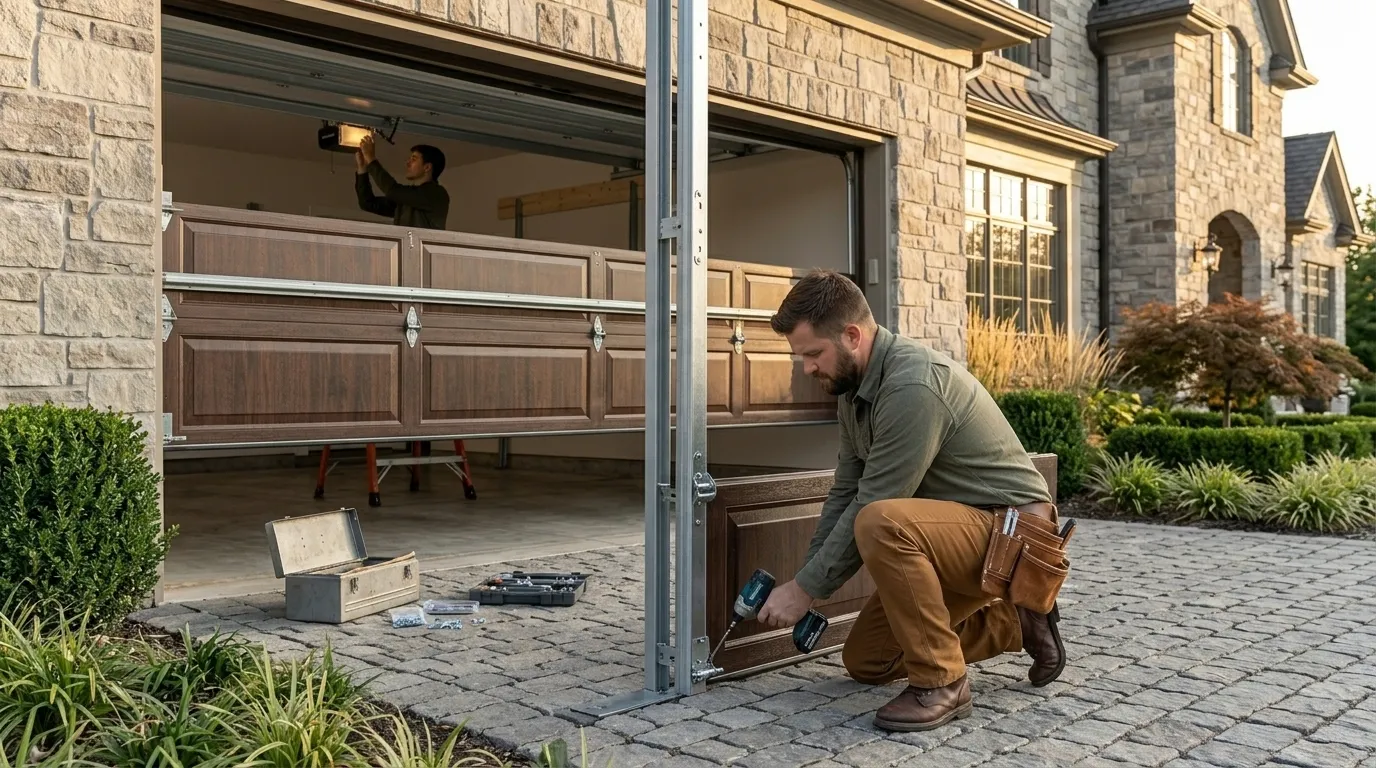
Talk to a Glendale Technician First
Describe what the door is doing and get a straight answer on what it likely needs.
Other Garage Door Services in Glendale
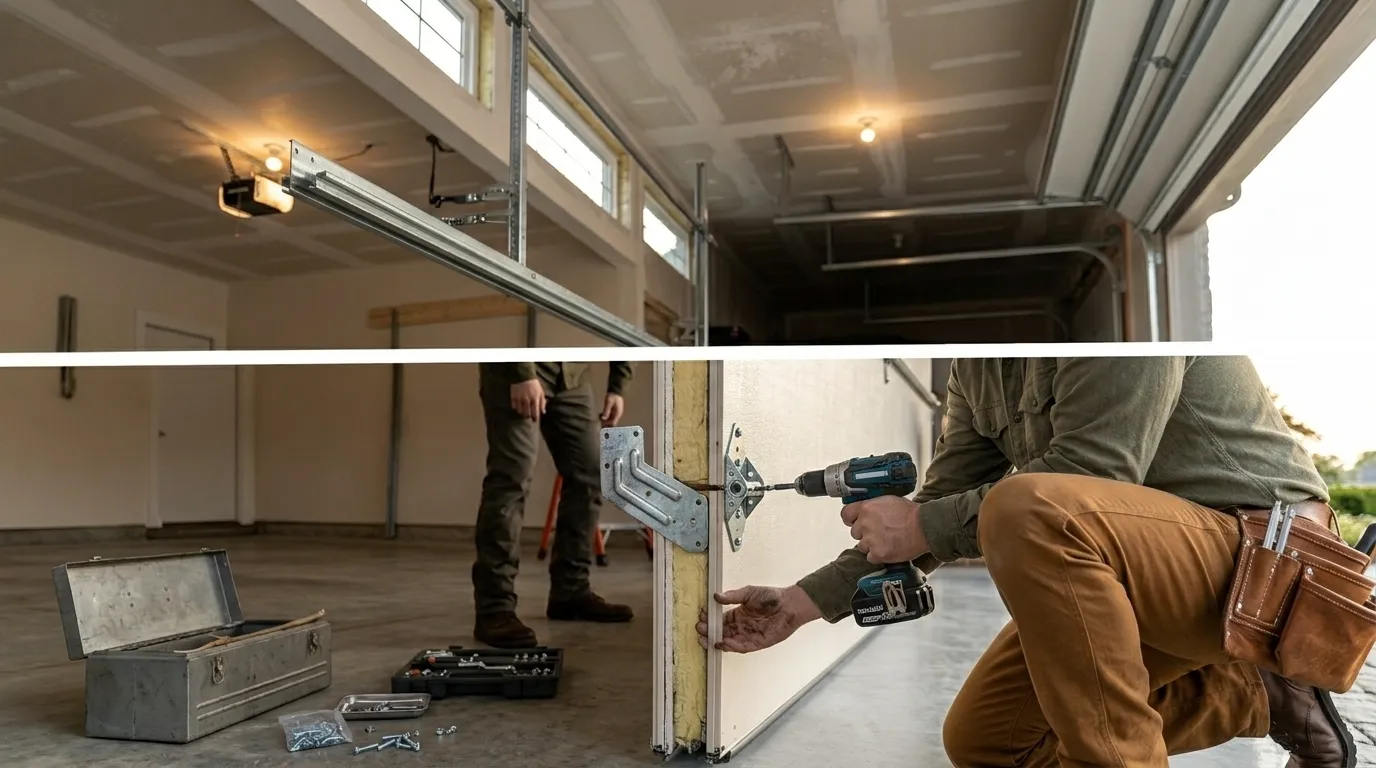
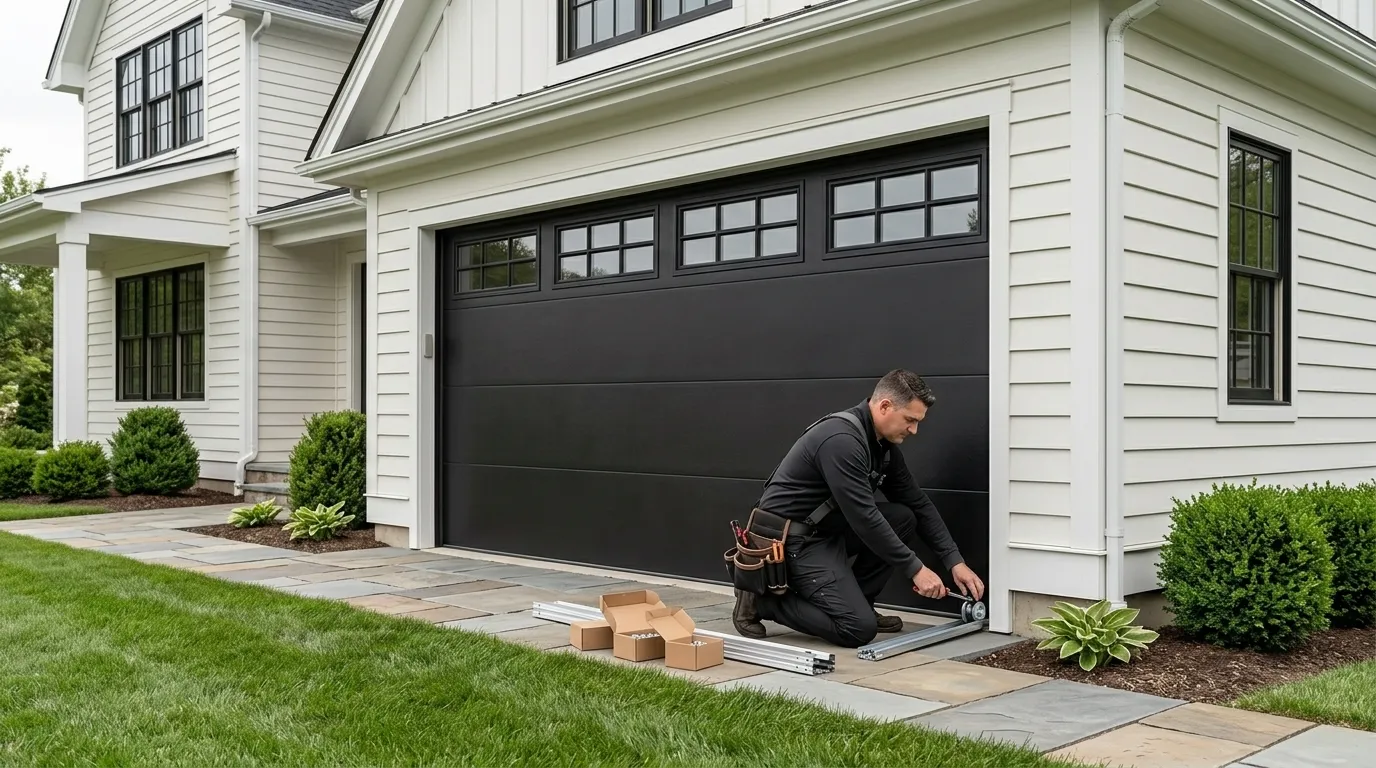
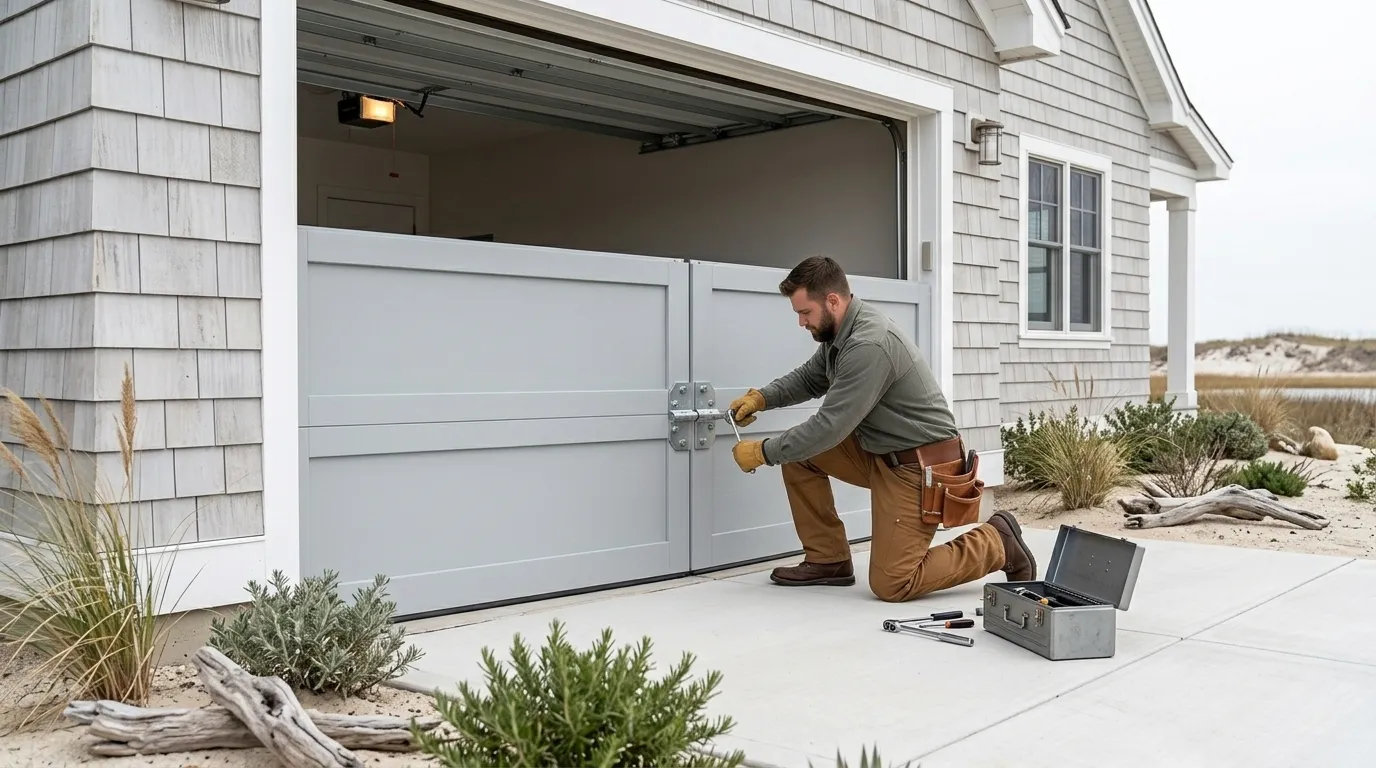
Recent Work in Glendale
A look at jobs our crew has been on nearby.
Why Glendale Calls Us
Frequently Asked Questions
Does the age of my house in Glendale affect what opener I need?
Yes. Glendale's housing stock centers on 1965, and a lot of garages from that era have header brackets sized for a lighter door and a lighter motor than what's common now. We check the bracket before we quote a specific opener, because the wrong match strains the mount, not the motor.
Do you keep a truck stationed in Glendale?
No. We run this job out of Milwaukee, about 5 miles away. There's no local branch, just a scheduled visit - booking a few days ahead gives you more flexibility on timing than a same-day request.
Will a battery backup opener actually help in a Wisconsin winter power outage?
It can. This area sits in a severe cold climate band, and outages paired with a cold snap are exactly when a stuck door becomes a real problem. We stock battery backup units and recommend them for that reason, not as a standard upsell.
Can I install a new opener on my existing bracket without checking it?
You can, but in garages built around this area's 1965 median, that bracket was often sized for the original lighter door and opener. If a heavier door or motor has been added since, the bracket may not carry the new load safely, so it's worth checking before you mount anything.
Need Opener Installation in Glendale?
Call now for straight answers on cost and timing.