
Milwaukee, WI
New Door Installation in Whitefish Bay
Garage Door Installation for Whitefish Bay's 1940s Homes
Whitefish Bay's houses mostly date to the early 1940s, older than Milwaukee's typical stock, and need sized-right doors for our region's cold, snowy winters.
- Licensed & Insured
- Same-Area Service Calls
- Upfront Pricing
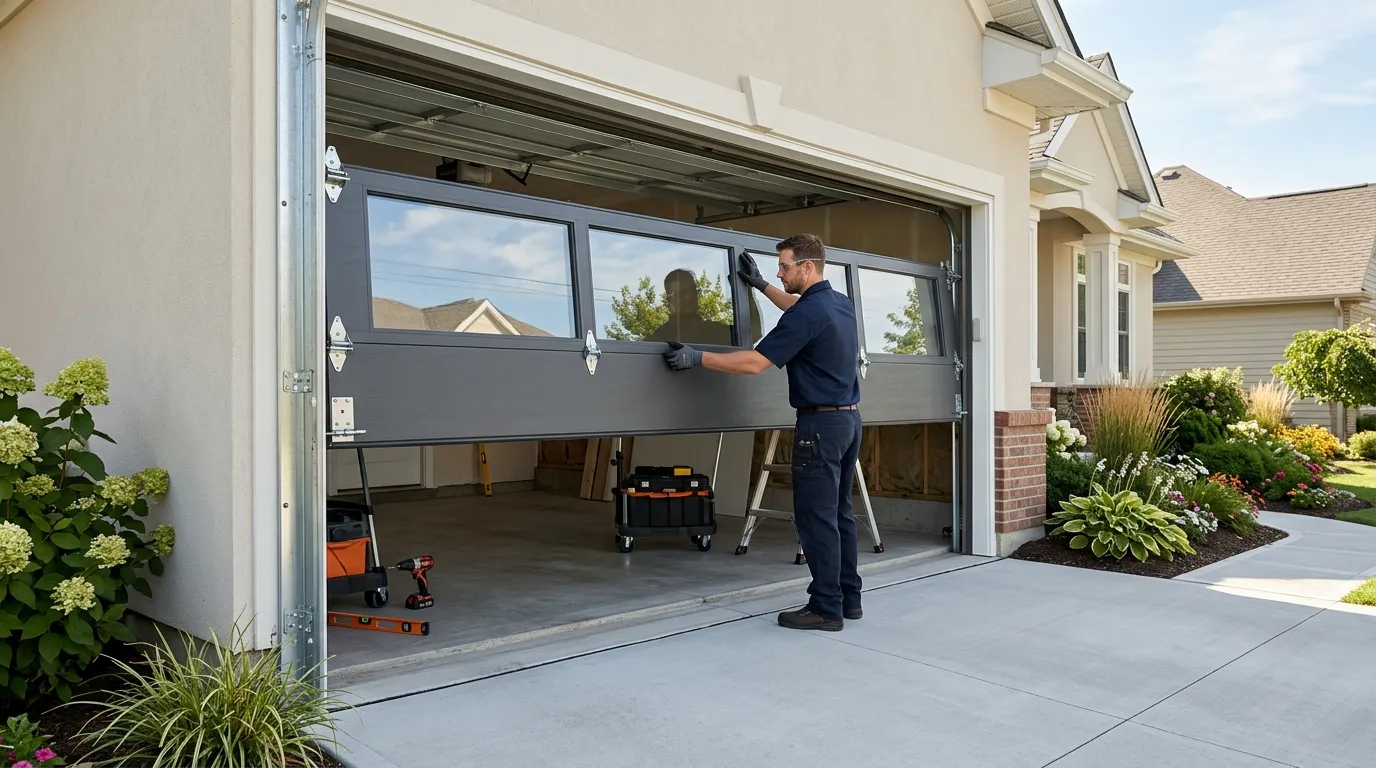
What Happens When You Call
-
1
Call or Request a Quote
Tell us what the door is doing and roughly how old the house is - that alone points us toward the likely part before a truck leaves.
-
2
On-Site Diagnosis
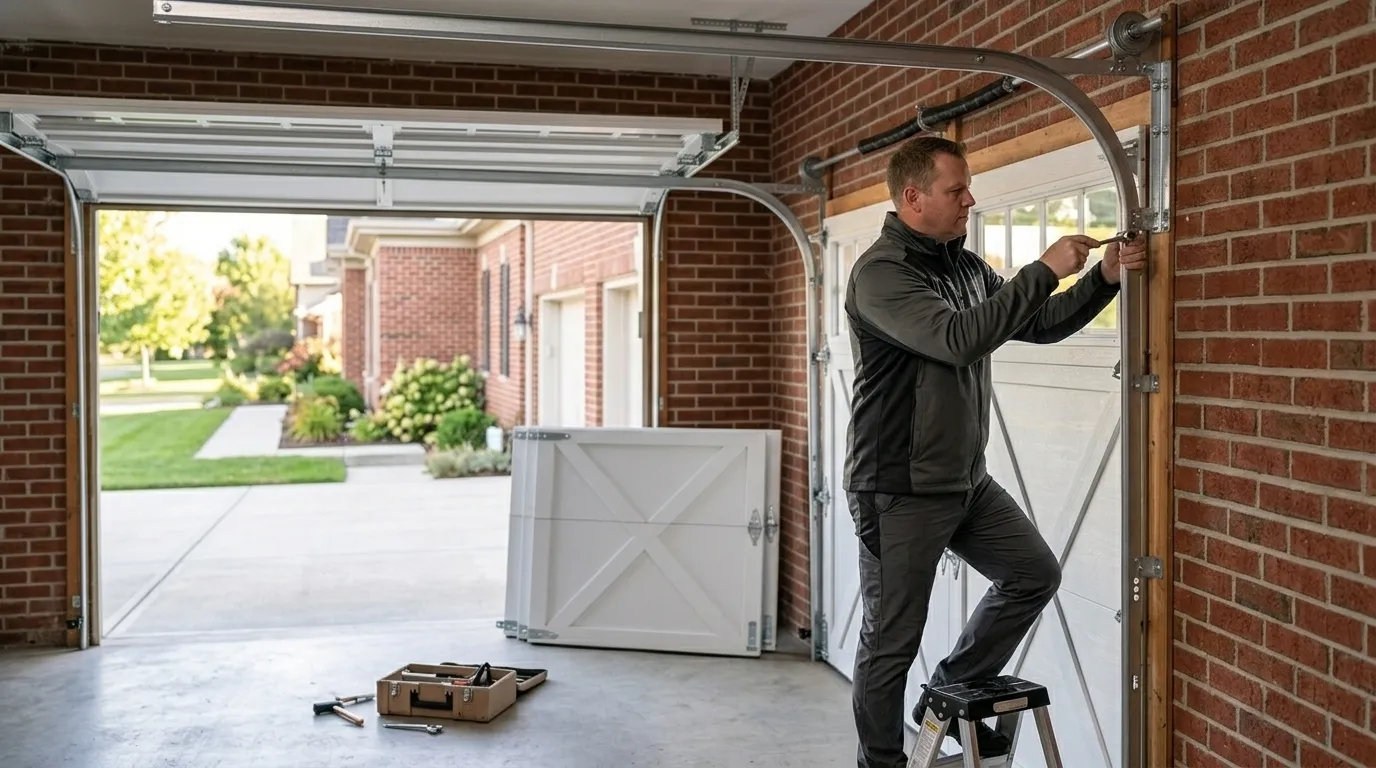
A tech checks the spring, cables, tracks, and opener in person and tells you plainly what is actually wrong.
-
3
Straight Price, No Surprises
You get a number before any work starts. It covers parts and labor, nothing added after the fact.
-
4
Fixed the Same Visit
Most repairs are done in one trip. If a part needs sourcing, we tell you that upfront instead of guessing.
What the Repair Takes
Whitefish Bay runs a median household income of $154,255, well above the $102,097 median across the rest of our service area. That number matters here more than almost anywhere else we work, because it changes the math on repair versus replace. On a lower-income block, we'll often patch a balky opener or swap one spring and call it good.
Here, with houses mostly built around 1943 - a good generation older than the 1971 median for the wider area - the door itself is usually the problem, not just a part. Original wood sectional doors from that era, or the steel replacements that went in during the 1970s and 80s, are running on hardware nobody makes new anymore. When a homeowner at this income level asks for a straight number, we give one: full replacement with a properly insulated steel or composite door, sized to the existing opening, usually beats another round of patching.
We're not going to talk you into a new door your old one doesn't need. But on housing stock this old, the springs, tracks, and cable drums are almost never original either, and once we're inside the opening measuring for a new door, we tell you plainly whether the jamb and header can take a heavier insulated panel or whether framing work comes first.
Where This Job Goes Sideways
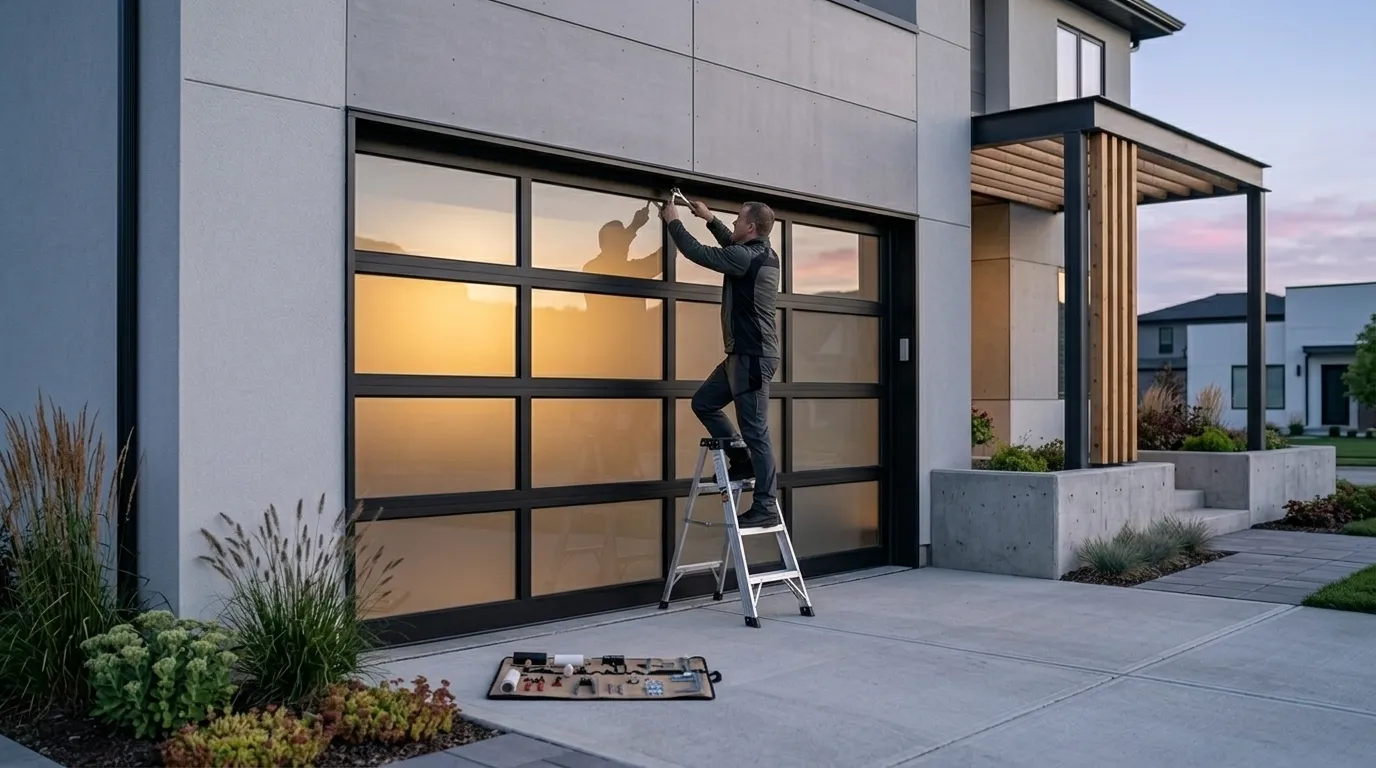
The trouble on 1940s houses isn't the door - it's what's behind it. Framing built in that era was sized for a light single-layer door and a chain-drive opener bolted to whatever joist was handy. Drop in a modern insulated steel door, which weighs more, and the old header sometimes needs reinforcing before the new track will hang square.
We see this on a good share of the jobs we run in Whitefish Bay, less often on newer stock elsewhere in the area where headers were already built to today's load numbers. Second issue: headroom. Garages from this period were often built shallow, with just enough clearance for a standard torsion setup, and nothing to spare for a low-headroom track kit if the ceiling has since been dropped for insulation or ductwork.
We measure before we quote, not after. Third, and this is the honest limitation: if the opening itself is out of square - common on houses this age that have settled over eighty years - no door, however well-built, will seal right against Milwaukee's cold without some carpentry first. We'll tell you straight if that's the case rather than hang a door we know will leak air at the corners.
How It Shows Up
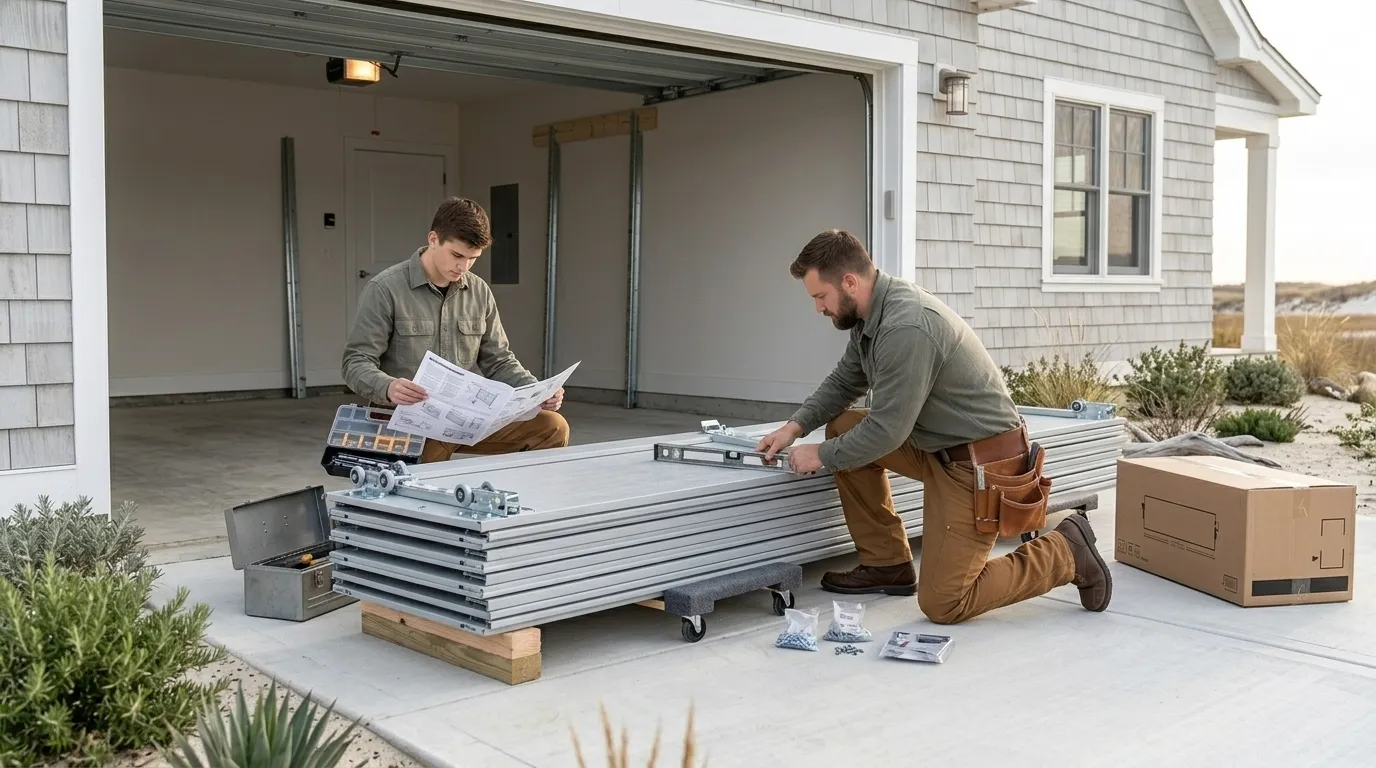
On houses from this build era, the first sign usually isn't dramatic - it's the door getting heavier to lift by hand, or the opener straining and reversing partway up. That's the wood core swelling or the steel skin separating from insulation that's outlived its glue, both common on doors thirty-plus years old. Some owners notice cold air pooling along the garage floor in January; with our winters classified as severe cold, a door with failed weatherstripping or a warped bottom panel is doing real work against the heating bill, not just looking rough.
Daylight showing at the top corners when the door's down is the other tell - usually a sign the track has racked slightly out of plumb over the decades, which on this vintage of framing is more common than owners expect. None of these show up overnight. They show up as a door that used to close in three seconds now taking five, or an opener that used to run quiet now clunking on the last foot of travel.
If you're noticing any of that, it's worth a look before a cable snaps under load rather than after.
Parts We Carry
For installs in this part of our service area we carry insulated steel doors in both 18- and 24-gauge, and composite overlay doors where an owner wants a wood look without the maintenance a real wood door demands in our climate. Given the severe cold band we're working in, we don't install anything below a 2-inch polyurethane core here - a hollow or single-layer door doesn't hold up against a Wisconsin winter and we won't put one in even if it's cheaper up front. Openers are belt- or chain-drive depending on the household's noise tolerance and whether the garage sits under or near living space, which on 1940s floor plans it often does.
Torsion springs get matched to actual door weight, not a stock size off a shelf - with older jambs sometimes carrying a slightly different door width than a modern catalog opening, guessing at spring size is how you end up back at the house in six months. One honest limit: some low-headroom setups need a specific jackshaft opener we don't always have on the truck, and that part can mean a short lead time before install day rather than a same-visit job.
How to Book
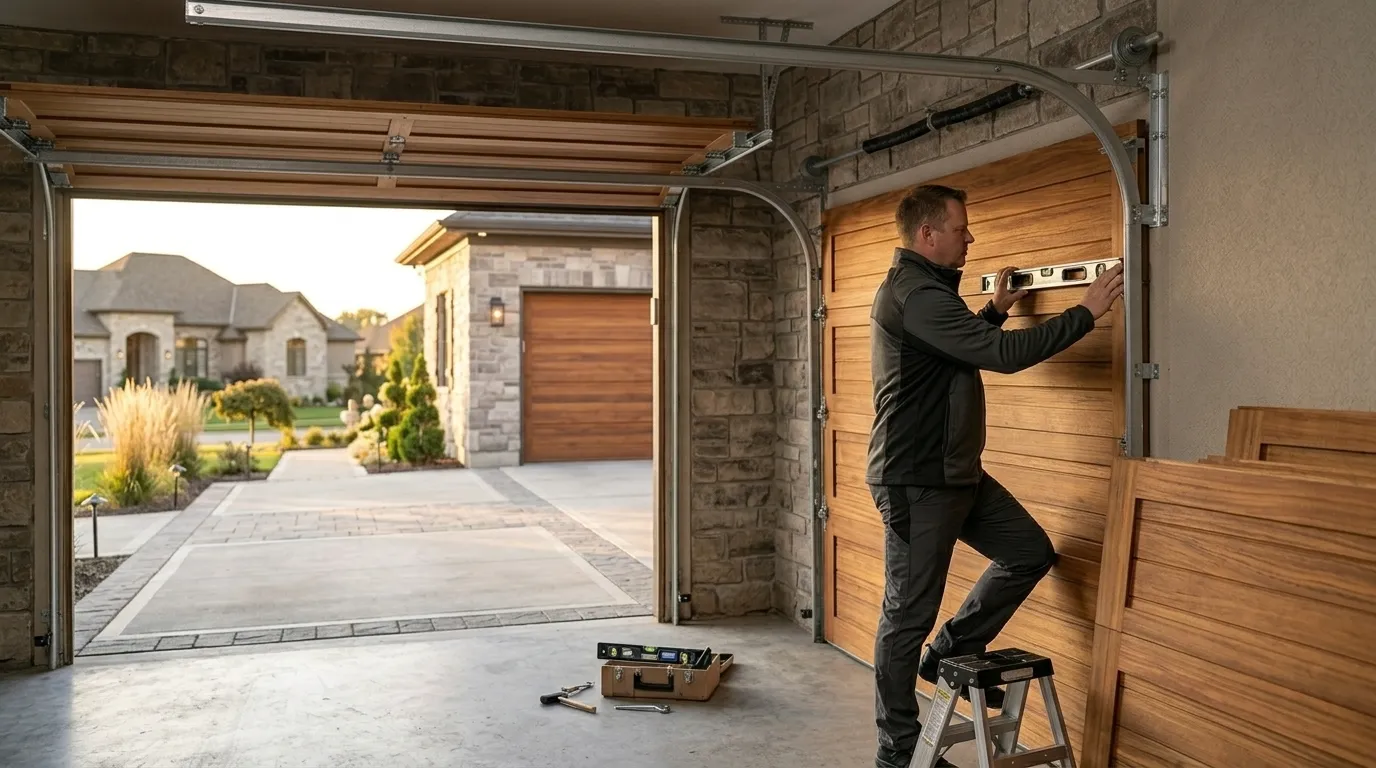
We run this job out of Milwaukee, about five miles from Whitefish Bay, so there's no separate branch here - just a crew that comes out for the appointment. Call to get a measurement and a firm quote on the door and, if needed, the framing work behind it; we'll tell you on-site whether your opening is standard or whether the header needs shoring up first. For a look at the broader area we cover, see our garage door installation page for Milwaukee, and for other suburbs nearby, our Whitefish Bay area page has more on what we handle close to home.
Talk to a Whitefish Bay Technician First
Describe what the door is doing and get a straight answer on what it likely needs.
Other Garage Door Services in Whitefish Bay
Recent Work in Whitefish Bay
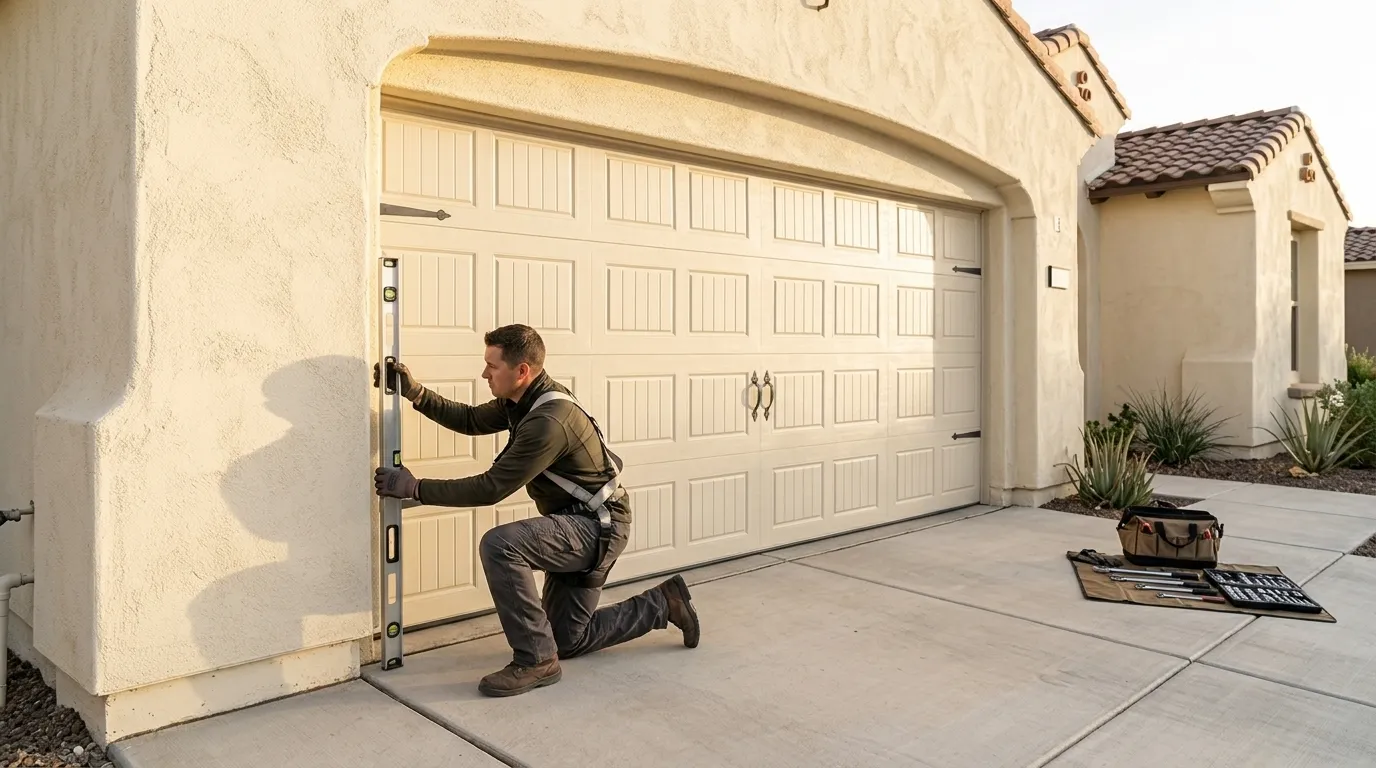
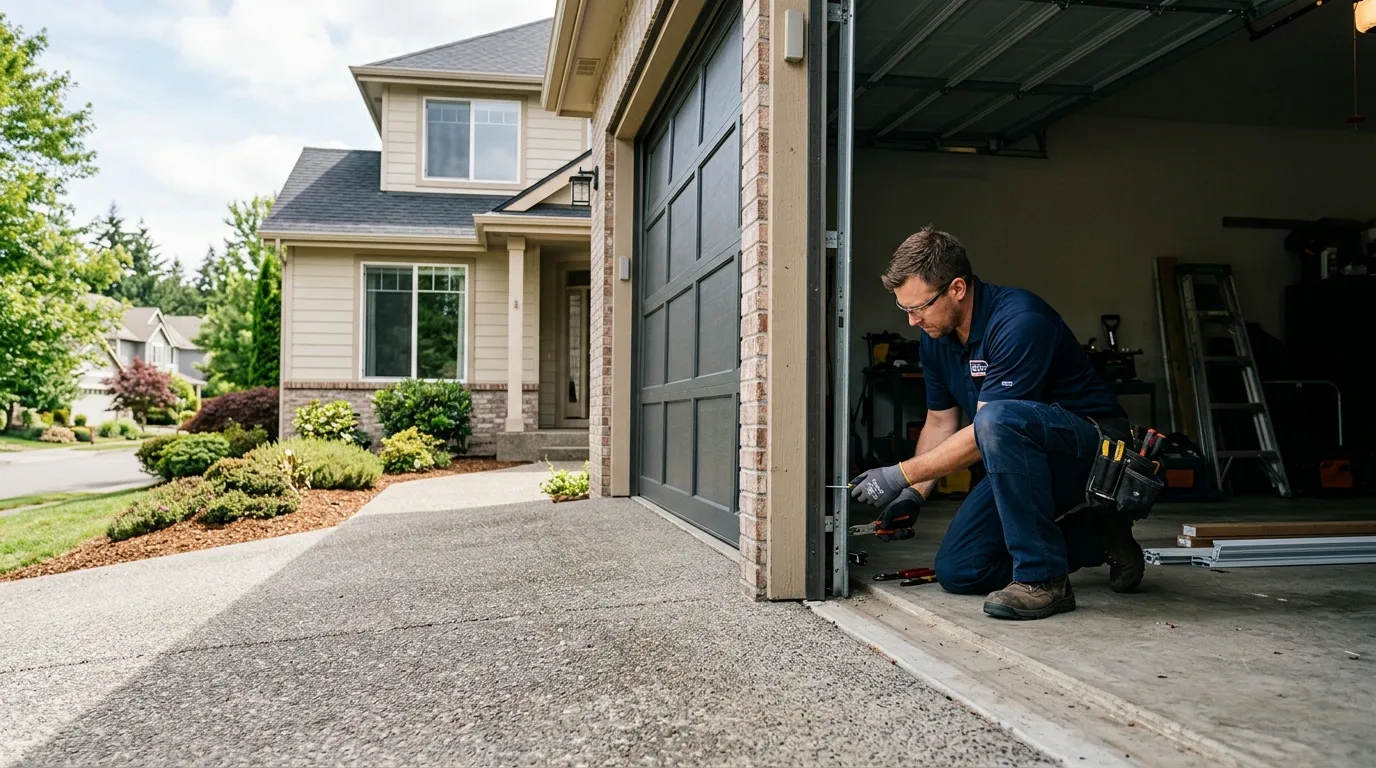
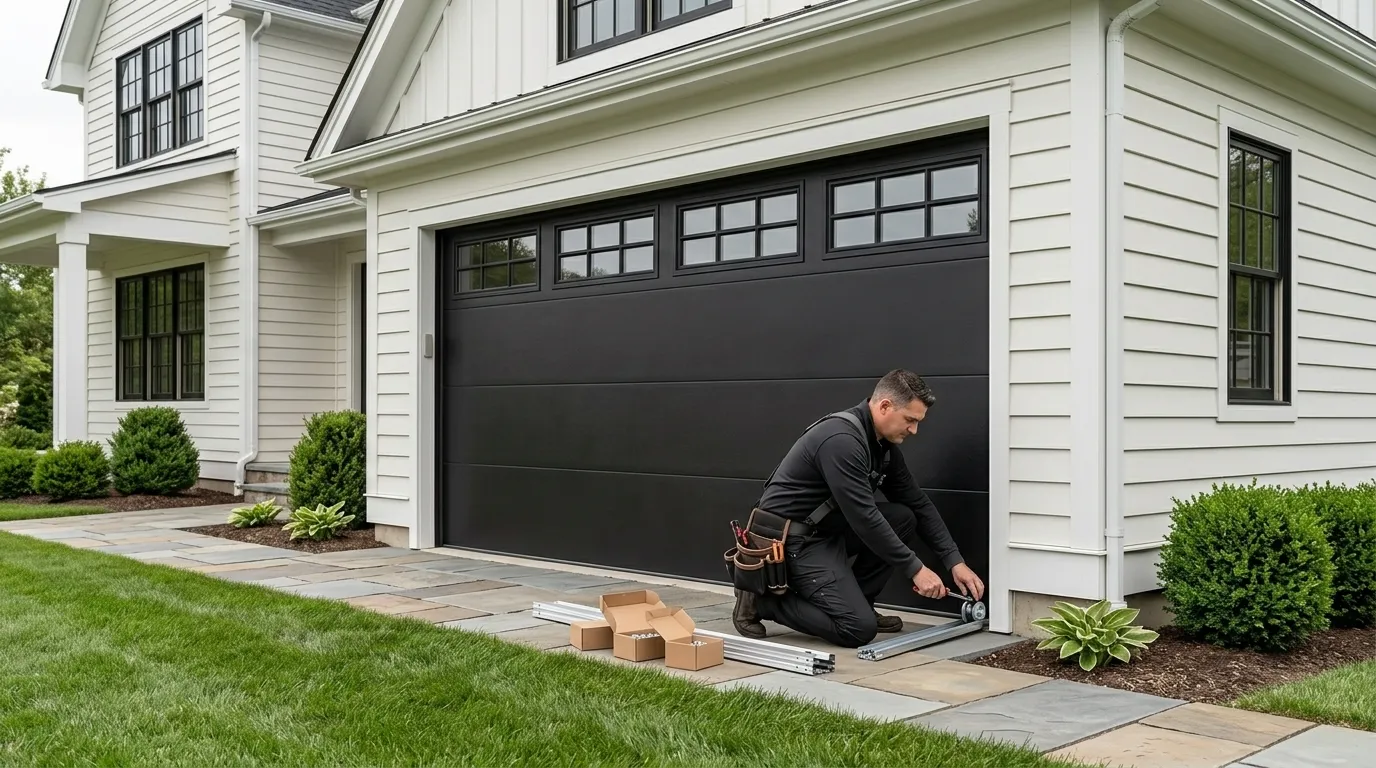
A look at jobs our crew has been on nearby.
Why Whitefish Bay Calls Us
Frequently Asked Questions
Is it worth replacing a garage door on a house this old instead of just fixing it?
Often yes here. With houses mostly dating to 1943, most of the doors still standing are on outdated hardware, and given the median income in Whitefish Bay, owners usually get more value from one clean replacement than repeated patch jobs on a door that's already older than the springs holding it up.
Will a new insulated door actually help with the cold?
It should, if the opening is square. Our winters fall in the severe cold band, and a door with a real 2-inch polyurethane core and tight weatherstripping cuts the draft along the garage floor noticeably compared to an old single-layer steel or wood door from this era.
Do you have a local branch in Whitefish Bay?
No. We run out of Milwaukee, about five miles away, and send a crew out for the appointment. There's no separate depot or storefront in town - just a service area that includes it.
Why does headroom come up so much on older houses here?
Garages built around 1943 were often framed with just enough ceiling clearance for the original door and a basic opener. A modern insulated door and standard torsion track sometimes won't fit without a low-headroom kit, so we always measure before quoting rather than after.
Need New Door Installation in Whitefish Bay?
Call now for straight answers on cost and timing.