
Milwaukee, WI
Panel Replacement in Wauwatosa
Garage Door Panel Replacement for Wauwatosa Homes
Panel replacement for Wauwatosa's 1950s-era garage doors. We travel 4 miles from Milwaukee to match old panel sizes and steel gauges other shops won't touch.
- Licensed & Insured
- Same-Area Service Calls
- Upfront Pricing
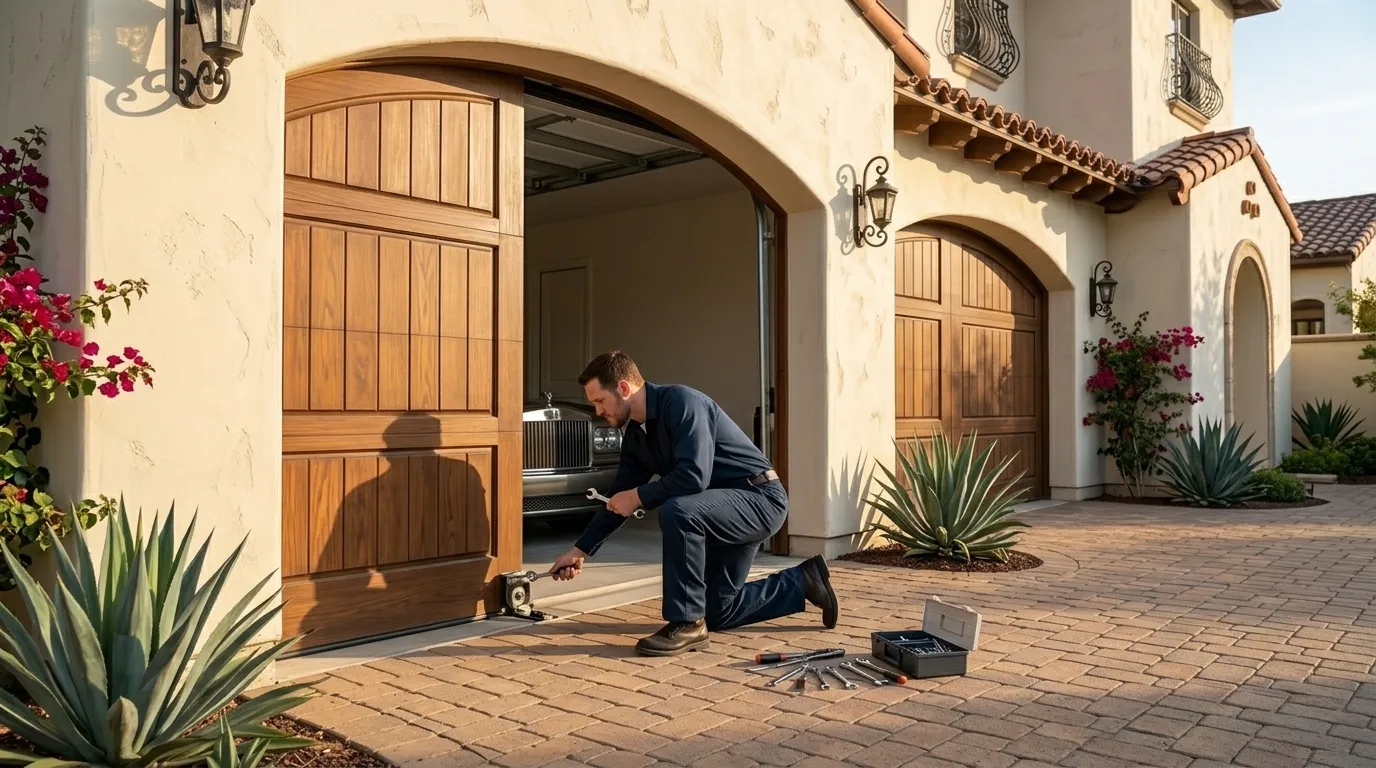
What Happens When You Call
-
1
Call or Request a Quote
Tell us what the door is doing and roughly how old the house is - that alone points us toward the likely part before a truck leaves.
-
2
On-Site Diagnosis
A tech checks the spring, cables, tracks, and opener in person and tells you plainly what is actually wrong.
-
3
Straight Price, No Surprises
You get a number before any work starts. It covers parts and labor, nothing added after the fact.
-
4
Fixed the Same Visit
Most repairs are done in one trip. If a part needs sourcing, we tell you that upfront instead of guessing.
How to Book
We work out of Milwaukee and drive the 4 miles into Wauwatosa for panel jobs, so the visit starts with a phone call, not a walk-in counter. Tell us the door's width, whether it's steel or wood, and how old the house is if you know it - Wauwatosa's stock skews older than a lot of the service area, and that changes what we bring on the truck. A photo of the damaged section and the section right next to it helps us guess at panel width and hinge spacing before we ever pull into the driveway.
We'll ask if the house was built before or after 1960, because that single question tells us more about the door than the model sticker usually does, if there even is one left. Once we've got the width, the panel count, and roughly how old the door is, we can tell you on the phone whether this is a same-day fix or a lead-time item. We don't keep a Wauwatosa depot - every job rolls from Milwaukee, so book with enough lead time that the drive isn't the reason you're waiting.
Where This Job Goes Sideways
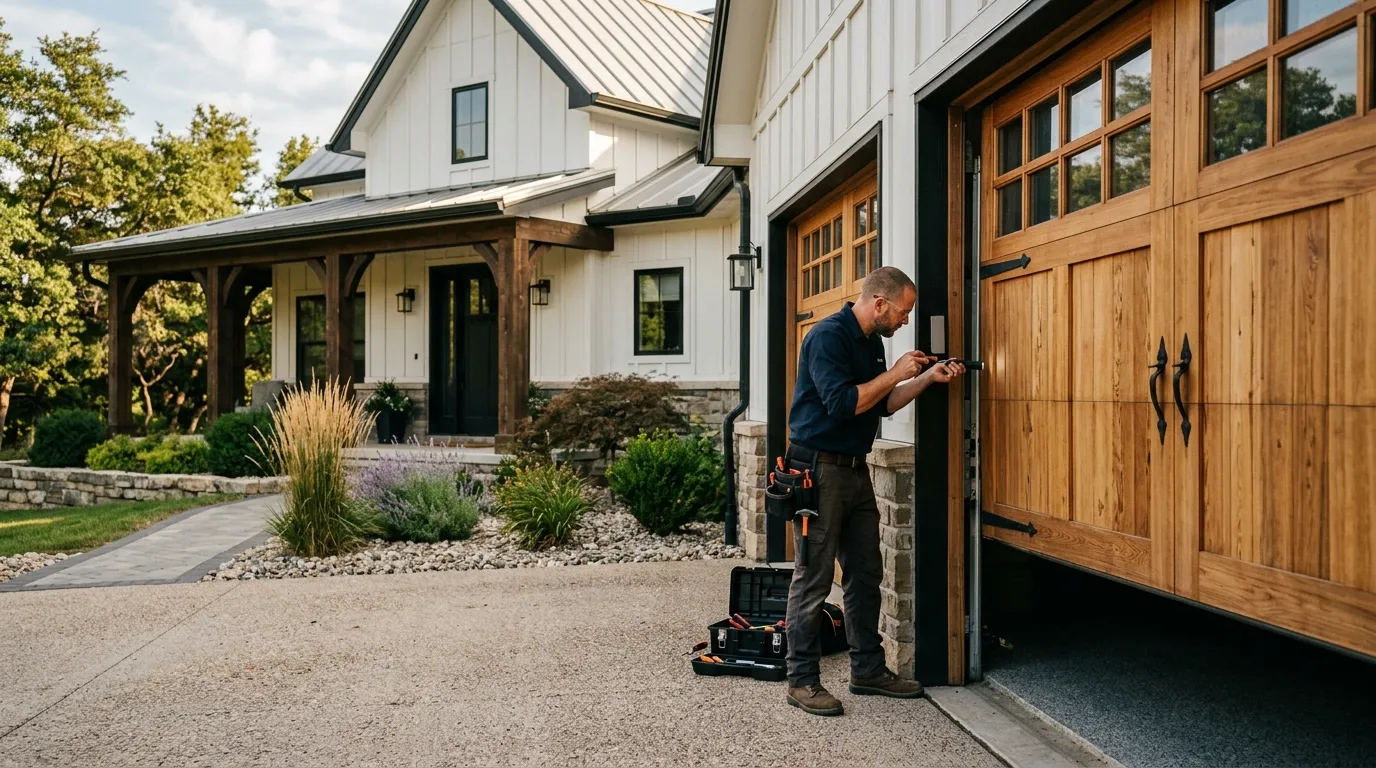
The fault we see most in Wauwatosa isn't the dent itself - it's what's underneath it. A lot of these houses went up around 1954, and the doors that came with them, or replaced them in the decades after, are one-piece or narrow-panel steel units built to dimensions nobody stamps anymore. You bring in one cracked bottom panel expecting a swap, and the shop that doesn't measure first ends up ordering a panel that's a half-inch off in height or a different rib pattern than the three sections above it.
On a door that old, the manufacturer may not even exist under the same name, so "matching panel" sometimes means matching color and rib depth well enough that it doesn't look patched. We measure every section before we quote, not after, because a house built in 1954 doesn't forgive a guess the way a 2005 build does - there's no standard SKU to fall back on.
What You Pay
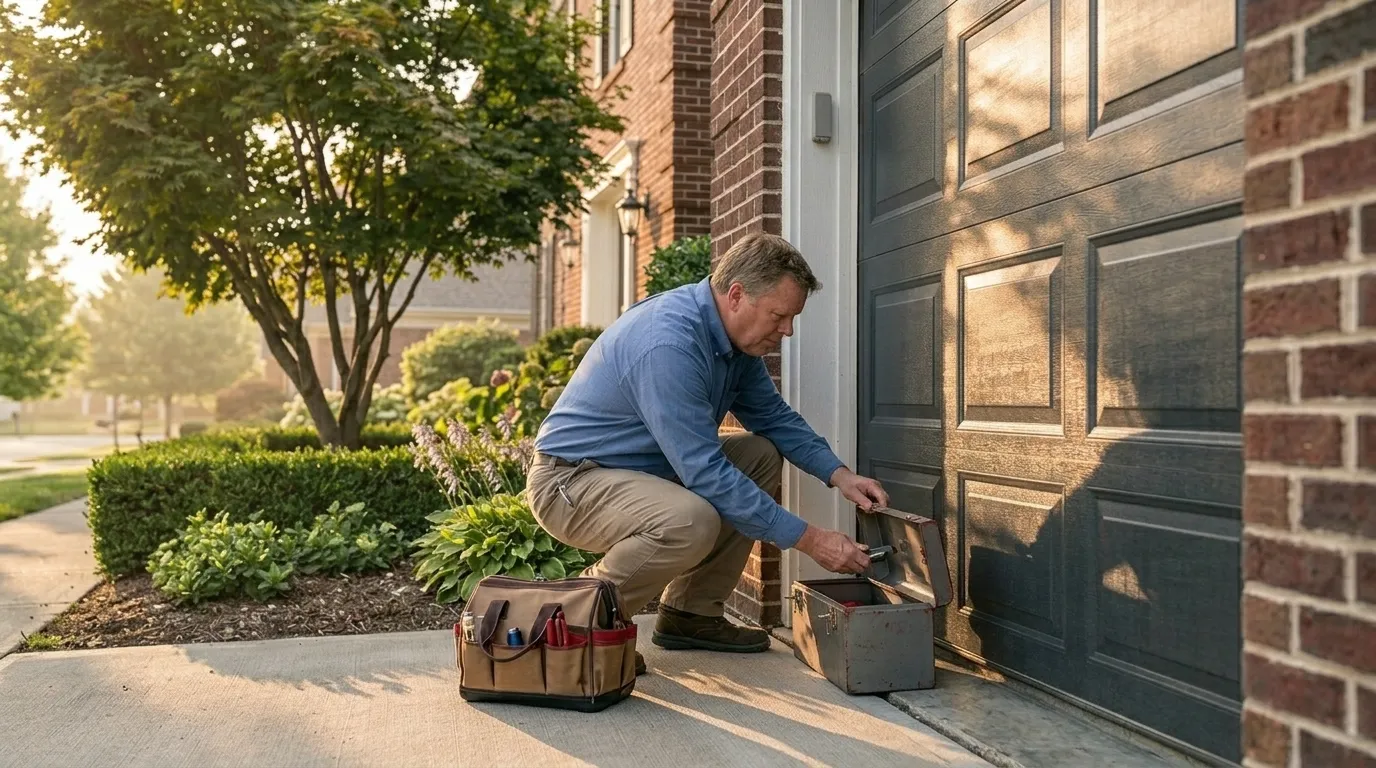
We don't publish a flat number for panel work here because the range depends entirely on whether your door is a standard current-production size or one of the older Wauwatosa units where we're sourcing a near-match panel instead of an exact one. A single bottom panel on a modern steel door is a different job, and a different cost, than replacing a panel on a door old enough that the whole section has to be custom-fit.
What we can tell you: we quote after we see the door or get real measurements from you, not off a phone description, because a wrong guess on an older panel costs more to unwind than it would have cost to measure right the first time. If the door's old enough that panel-matching isn't practical, we'll say so before we order anything, and we'll tell you straight when full replacement is the cheaper and more honest answer.
How It Shows Up
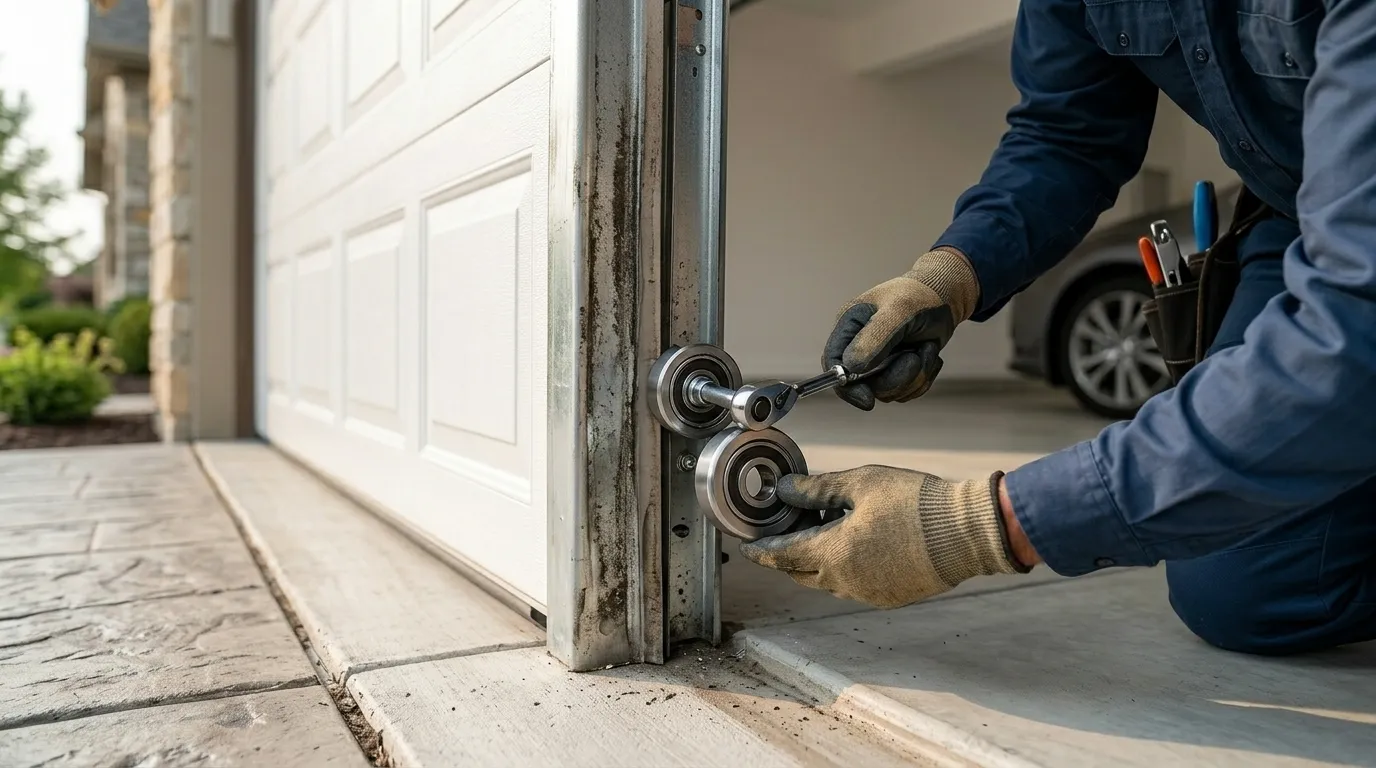
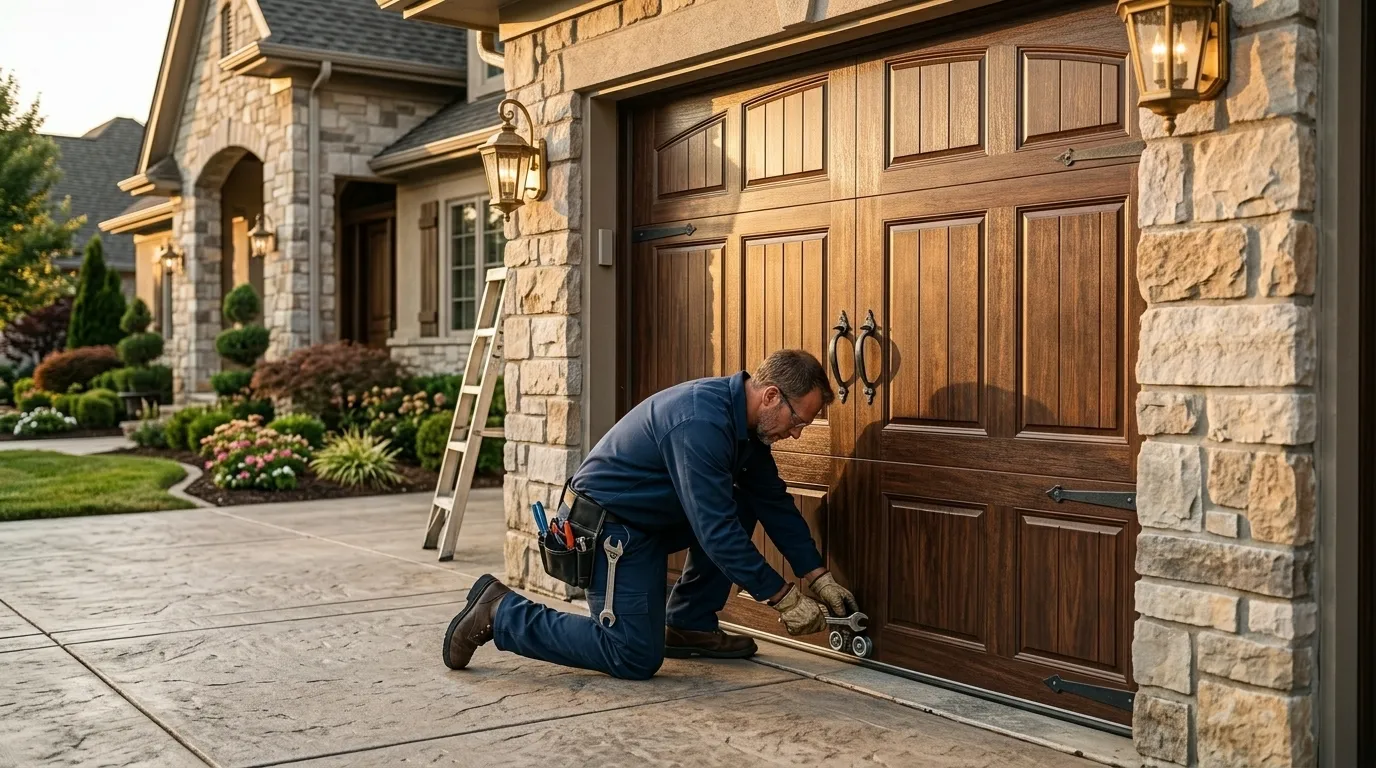
On the older Wauwatosa doors, panel failure usually starts as a stress crack near the bottom corner where the roller bracket bolts through - that's the hardware taking a beating for close to seventy years of seasonal swings on a house from the 1954 era. You'll see the crack open wider every winter and close up some in summer, which is the steel or wood flexing around a fastener that's not going anywhere.
On newer infill construction nearby, the failure looks different: a car bumper dent or a basketball-through-the-panel crease that's cosmetic but throws the whole door out of alignment if it's near a hinge. Either way, a bent panel changes how the door tracks, not just how it looks, and that's the part homeowners miss until the opener starts straining on every cycle.
Why It Happens Here
Wauwatosa's housing runs older than the service area's overall median - a lot of it dates to around 1954, versus the roughly 1971 median across the wider Milwaukee area we cover. That decade-plus gap matters for doors specifically: panel gauges, section heights, and hinge spacing all shifted over the following years, so a 1954-era door being patched today is being patched against parts that were never standardized the way later doors were.
Layer on the climate - this is a cold-severe region, and steel panels here go through real freeze-thaw cycling every winter, which is exactly the stress that finds a weak seam or a rusted-through bolt hole first. A door built for that era wasn't engineered for the sixty-plus years of that cycling it's now absorbed, and the panels show it before the springs or the opener ever do.
Doing It Yourself
If it's a single bottom panel and the door's a common current-production size, ordering a match yourself and swapping it with a helper and basic tools is realistic - plenty of Wauwatosa homeowners could do that Saturday-afternoon job safely. Where we'd stop you is on anything near the torsion spring or the top panel where the opener arm attaches; that's not a panel job anymore once you're working near tensioned hardware.
And on the older doors common in this area, don't order a panel off a generic size chart before someone measures the actual sections - a mismatched rib pattern on an otherwise original door is a cosmetic mistake you'll be looking at for years. If the panel you're replacing is one of several that are all showing the same age-related cracking, that's usually a sign the whole door is closer to the end of its run than to one clean repair.
Talk to a Wauwatosa Technician First
Describe what the door is doing and get a straight answer on what it likely needs.
Other Garage Door Services in Wauwatosa
Recent Work in Wauwatosa
A look at jobs our crew has been on nearby.
Why Wauwatosa Calls Us
Frequently Asked Questions
Why don't Wauwatosa panel replacements always match the original door?
A lot of Wauwatosa houses date to around 1954, and doors from that era used panel heights and rib patterns that later manufacturers didn't standardize. If your door is that old, we're often sourcing the closest match in gauge and color rather than an exact factory replacement, and we'll tell you that before we order anything.
How far out do you come for a panel job in Wauwatosa?
We run out of Milwaukee, about 4 miles away, so every Wauwatosa visit is a scheduled trip rather than a walk-in stop. We don't keep a branch or a standing crew in town, which is why we ask for good measurements or photos up front - it saves a second trip.
Is one cracked panel worth fixing on an older door?
Sometimes, but not always. If it's one section on a door that's otherwise sound, a panel swap makes sense. If several panels show the same age-related cracking near the roller brackets, that's usually the hardware and the steel both wearing out together, and we'll say so instead of selling you a single-panel patch that won't hold.
Does Wauwatosa's winter weather affect panel repairs?
Yes. This is a cold-severe climate region, and steel panels flex with every freeze-thaw cycle. On older doors especially, that cycling is what opens up the stress cracks near bolt holes in the first place, and it's also why we don't recommend cheap filler patches - they don't hold through a full winter.
Need Panel Replacement in Wauwatosa?
Call now for straight answers on cost and timing.